
Košík
Ve vašem košíku nejsou žádné další položky



Anatomy of Cannabis Buds: Parts Explained
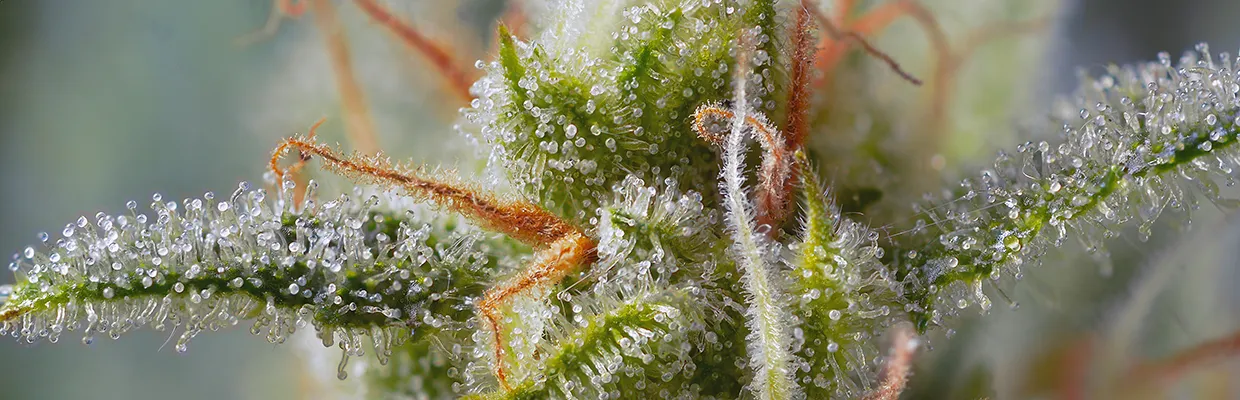
When we talk about the quality of a cannabis plant, we usually think about its aromas, flavor, or potency. However, behind all these characteristics lies something fundamental: cannabis bud anatomy. Understanding in detail how marijuana buds are structured is useful not only for curious growers, but also for anyone looking to improve results, understand plant development, and better appreciate their properties.
In this article, we will explain what marijuana buds are like, their most important parts, and why understanding them is crucial if we want to get the most from our grow. Let’s take a closer look.
What Role Do Buds Play in the Growing and Harvesting Process?
By now, you probably already know what buds are. They are the flowers of the female cannabis plant and the part that most captivates home growers and cannabis enthusiasts. The reason is simple: this is where cannabinoids, terpenes (aroma and flavor), and resin are concentrated. This is where the “good stuff” is – the psychoactive and medicinal effects associated with cannabis plants.
To see buds appear, we need to wait until flowering, which is when they develop. After the vegetative stage, plants begin flowering, and this is when growers focus their efforts on achieving the best possible results. However, producing good buds does not depend only on the grower and how feeding and care are managed; other factors, such as genetics and climate conditions, also play a role.
Understanding cannabis bud anatomy helps you get the most from the plant. Identifying when buds have reached peak maturity for harvest and understanding the influence of certain growing practices can determine both yield and quality.
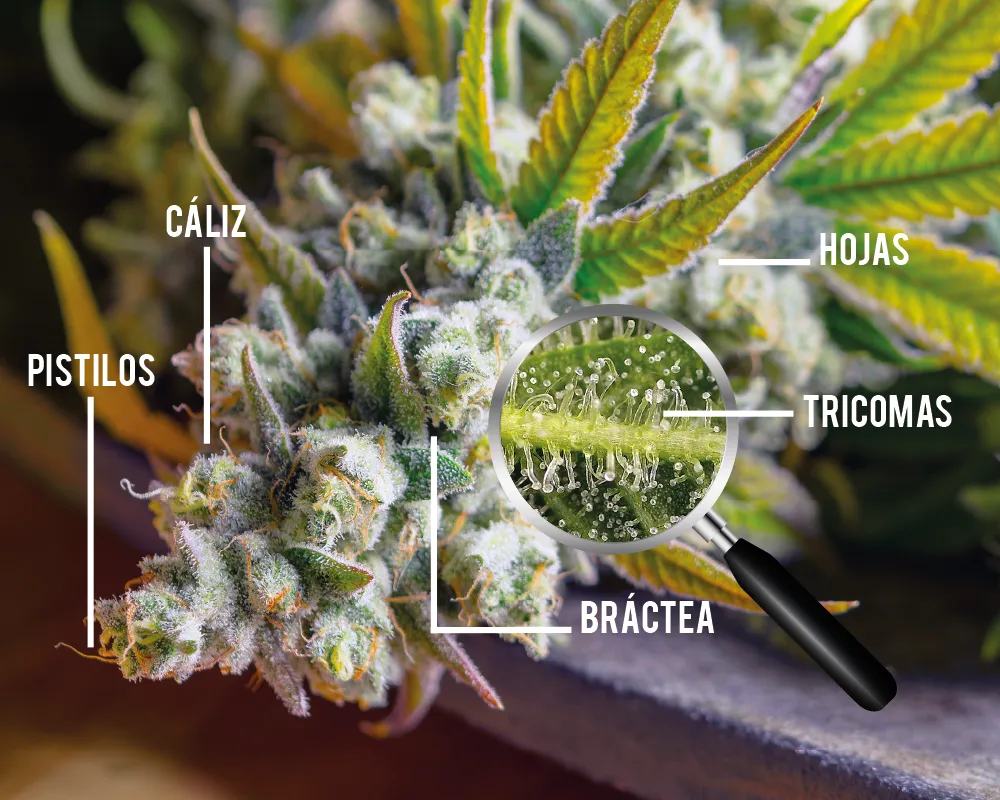
What Are the Parts of a Marijuana Bud Called?
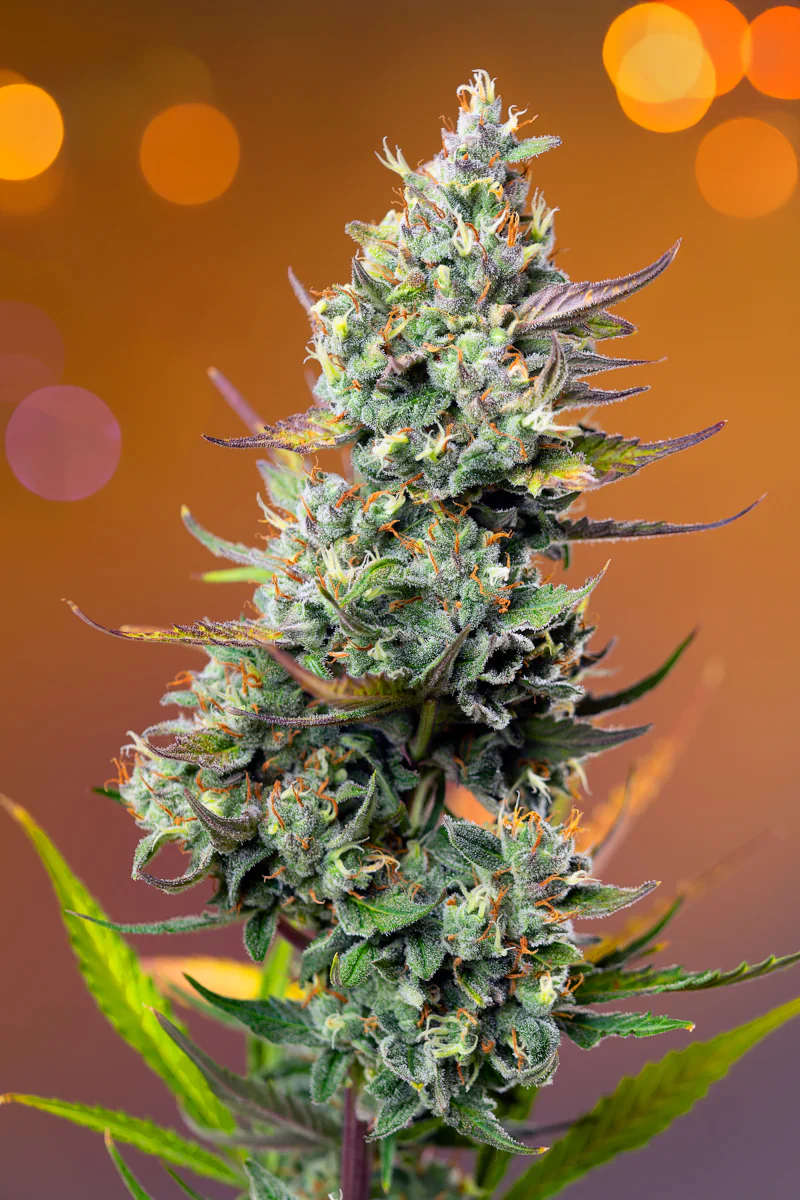
At first glance, a bud may look like nothing more than a small green cluster covered in crystals. But when we look more closely, we discover a complex plant structure created by nature to protect and concentrate valuable compounds.
Bracts
Bracts are small, teardrop-shaped structures that cover the female reproductive organs, the ovules. To the naked eye, they look like compact leaves that help give the bud its shape. These bracts are covered in trichomes and contain large amounts of resin, making them one of the richest parts in cannabinoids.
Trichomes
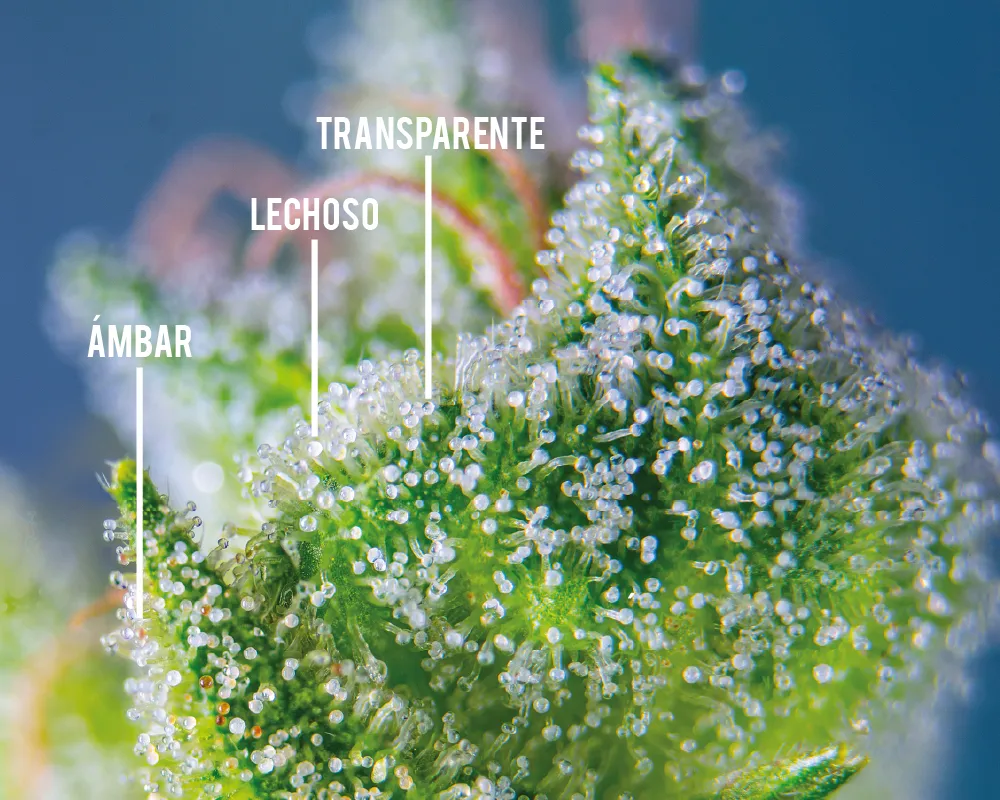
Trichomes are tiny glands that develop on the surface of the bud. They can be seen with the naked eye and have a lollipop-like shape, appearing clear, white, or amber depending on their stage of maturity. They are responsible for producing and storing cannabinoids such as THC and CBD, as well as the terpenes that provide aroma and flavor. The quantity and condition of the trichomes are key indicators for determining the best harvest time and assessing the quality of the genetics.
Pistils
Pistils are the V-shaped hairs that protrude from the bud. They are white at first and may turn orange, brown, reddish, or pink as they mature. Their role is to assist reproduction by capturing pollen from male plants. From a growing perspective, they indicate flower maturity. When around 70-90% of the pistils have changed color, it is a sign that the plant is approaching its optimal harvest window.
General Structure of a Cannabis Bud
A cannabis bud is actually a cluster of flowers: a mass of bracts attached to the stem and surrounded by pistils and trichomes. Cannabis has evolved this flower structure to protect its seeds and ensure reproduction, while also concentrating its active compounds in a relatively small space.
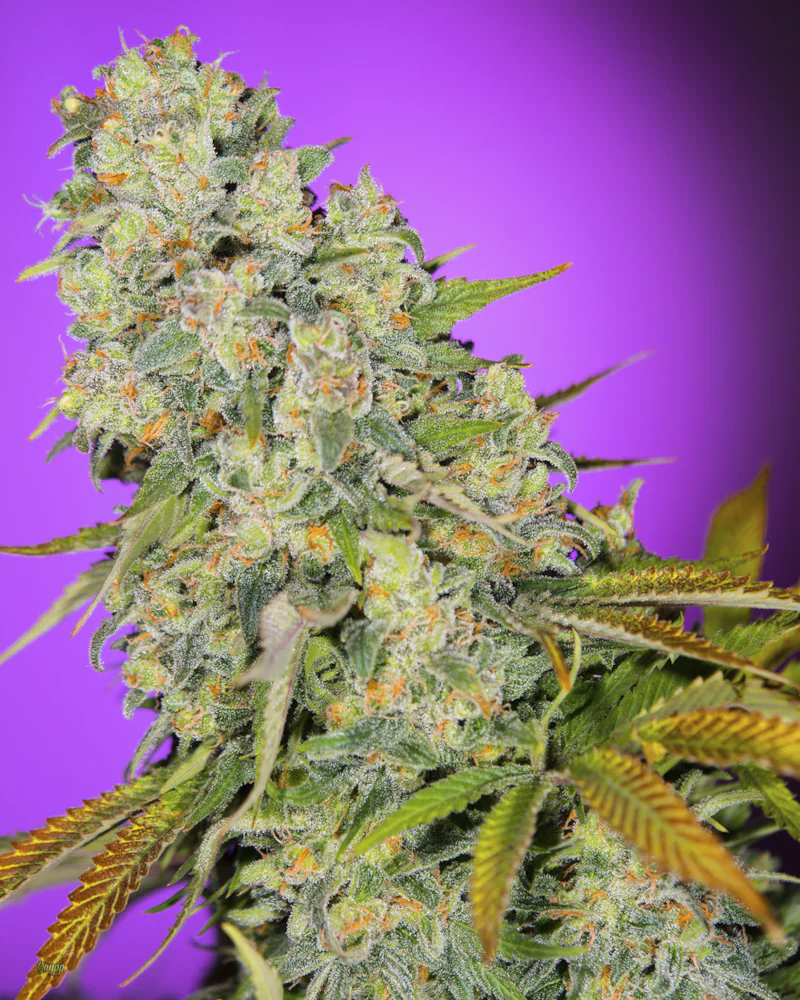
The cannabis bud anatomy varies according to genetics, the growing environment, and the type of training applied to the plant.
Dense Buds vs. Airy Buds
Who does not want firm, dense buds? Almost every home grower aims for solid flowers loaded with trichomes. Dense buds concentrate more resin and weight into less space, but they require good lighting and nutrition to develop properly, along with effective ventilation to prevent mold problems. This type of bud is typical of Indica plants or Indica-dominant hybrids.
By contrast, airy or foxtail buds have less visual presence, may look less attractive, and are more difficult to trim. Sometimes they appear because of excessive heat or overly intense light, resulting in very poor quality, while in other cases they are genetic traits typical of more Sativa-dominant strains, which can produce flowers with potent, more energetic effects.
Which do you prefer?
Function of Each Part of a Marijuana Bud
Once we understand the specific function of the parts that make up a marijuana bud, we not only learn more about botany, but also gain the opportunity to improve the harvest in both quality and quantity. Cannabis bud anatomy is not simply decorative; each structure has a specific role, and taking proper care of them helps achieve the best possible quality.
Bracts and Their Protective Function
Bracts act like a protective wall around the female reproductive organs. Teardrop-shaped, they are a type of small leaf that surrounds the calyces (where seeds form) and protects them from pests, fungi, and adverse weather conditions. To support this role, they contain a high concentration of trichomes, making them especially valuable to consumers because of their high resin content.
In bud anatomy, bracts are responsible for the compact, dense shape that is so highly valued by cannabis growers.
The Role of Trichomes in Resin Production
Trichomes are, without a doubt, the plant’s tiny chemical factories. These microscopic glands produce and store cannabinoids such as THC and CBD, as well as the terpenes that determine a strain’s aromatic profile. In cannabis bud anatomy, trichomes define both potency and aroma, while their condition (clear, cloudy, or amber) helps growers determine the best harvest time.
Remember:
- Clear trichomes: immature, with a lighter and more clear-headed effect.
- Cloudy trichomes: oxidation begins and cannabinoid concentrations are at their highest. Full effect.
- Amber trichomes: a sign of maturity. Too many amber trichomes can mean loss of potency and degradation of THC into CBN, producing a more physical and sedating effect.
Pistils and Their Relationship with Bud Maturation
Pistils are very noticeable and, although they may look decorative at first glance, they are, in essence, part of the cannabis flower and play an important role in the plant’s reproductive cycle. A pistil consists of two V-shaped stigmas whose function is to capture pollen from male plants. During growing, pistils change color over time, from white to brown or orange, and this is used as a visible sign of bud maturation.
Careful observation of the pistils, combined with inspection of the trichomes, is essential for precise harvest timing. Around 75-90% of pistils turning tan is generally considered a good starting point.
Fun fact: some cannabis strains have pink or even red pistils, such as the famous Colombian Punto Rojo.
Why Is Cannabis Bud Anatomy Important?
Many beginner growers focus only on bud size or overall appearance. However, cannabis bud anatomy provides valuable information about plant health, resin content, optimal maturity, and the quality of the final product.
Understanding how buds form, the function of each part, and how they develop during growing helps you make better decisions and significantly improve results. In addition, each cultivar has its own characteristics that are worth getting to know. The bud of our Green Poison® (SWS14), with its large size, firmness, conical shape, and green color, is completely different from the bud of Red Mandarine F1 Fast Version® (SWS79), which is airier, more elongated, and intensely red.
The Relationship Between Bud Anatomy and Cannabis Quality
Something that – and we can probably all agree on this – defines the quality of good marijuana buds is closely related to their shape, density, and the quantity and maturity of the trichomes covering them, as well as the absence of seeds, pest damage, or nutritional imbalances.
For example, a huge bud can be spoiled if harvested too late or if the plant contains excessive nitrogen. On the other hand, some strains do not produce particularly large buds but can offer higher quality. This is why understanding each strain is so important if you want to get the best from it.
Ultimately, the best buds are those that combine top genetics with good care during growing and proper post-harvest handling.
Factors That Affect Cannabis Bud Anatomy
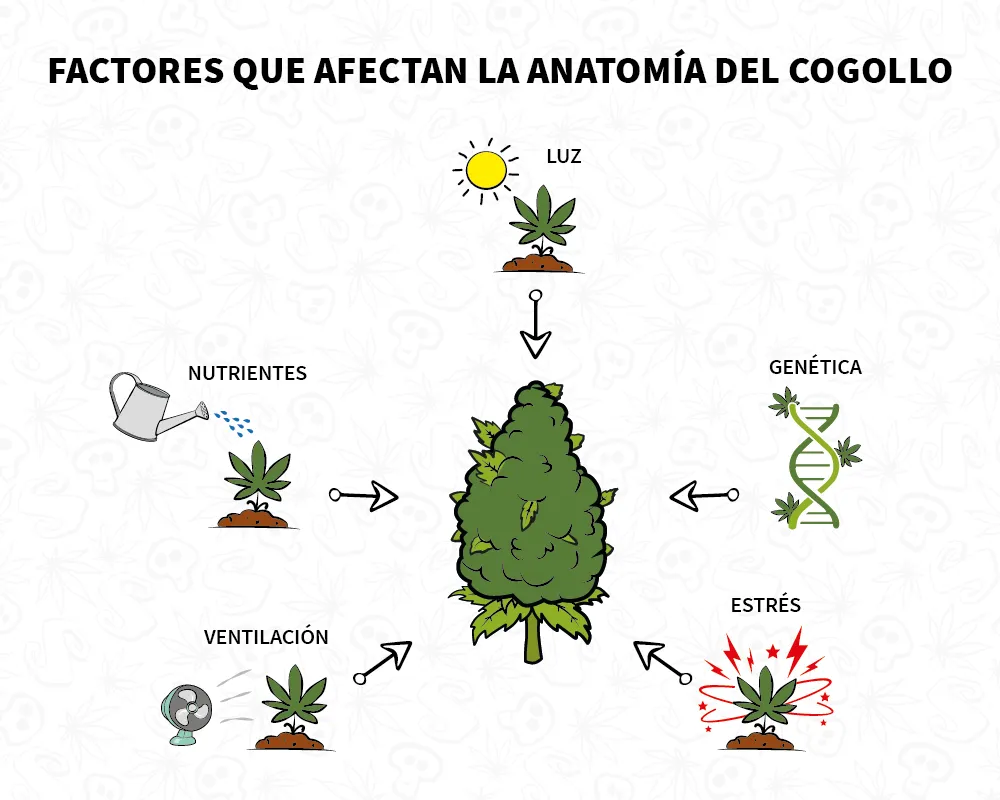
Several factors can influence how buds develop:
- Genetics: some strains produce denser, more resinous buds than others.
- Light: strong, consistent lighting with the appropriate spectrum during flowering promotes trichome production.
- Nutrients: a good balance of NPK and micronutrients at each stage is essential.
- Stress: heat stress, excess fertilizer, or poor pruning can deform the structure.
- Ventilation and humidity: unsuitable levels can cause mold or affect bud density.
For this reason, understanding cannabis bud anatomy is a practical tool for evaluating plant development in real time and making the necessary corrections before it is too late.
Tips for Improving Cannabis Bud Anatomy During Growing
Understanding cannabis bud anatomy is not only useful in theory; it can make the difference between an average harvest and one to remember.
Growing Techniques for Denser Buds
Dense buds do not just look better; they also tend to contain higher concentrations of cannabinoids and terpenes. To achieve this compact structure, it is essential to follow these steps:
- Provide sufficient light during the flowering stage, preferably with a red and warm spectrum.
- Maintain good ventilation to encourage strong structures without increasing the risk of mold.
- Apply pruning techniques such as lollipopping and lower-branch pruning to redirect energy toward the main flowers.
- Keep temperature and humidity within ideal ranges (20-26 °C and 40-50% during flowering).
- Avoid excess nitrogen, which can promote leaf growth instead of flower development.
These practices help make bud anatomy more robust and attractive.
How to Optimize Trichomes During Growing
Trichomes are essential to cannabis potency because most of the plant’s active compounds are concentrated in them. To encourage their development and quality:
- Increase light intensity during the final weeks of flowering without causing heat stress.
- Slightly reduce relative humidity to promote resin production as a defense mechanism.
- Try introducing mild, controlled water stress near the end of flowering.
- Make sure the plants receive sufficient phosphorus and potassium, especially during key flowering weeks.
- Avoid harvesting too early; monitor the trichomes with a magnifying glass to choose the right moment.
With these practices, you can directly influence cannabis bud anatomy and significantly improve the quality of your marijuana.
So, Why Is Understanding Cannabis Bud Anatomy Important?
Understanding cannabis bud anatomy is an essential tool for any serious grower. Knowing how buds are structured, what function each part performs, and how factors such as light, nutrients, or stress influence their development allows you to make much more informed decisions at every stage of growing.
From the bracts that protect the flower to the trichomes that concentrate the resin and the pistils that indicate maturity, every component contributes information and value to the final result. Knowing how these parts interact, and how to optimize their development, brings you closer to more productive, aromatic, and potent harvests.
In addition, correctly identifying the signals provided by the plant – such as bud density or trichome color – allows you to adjust harvest timing to maximize quality. In short, understanding cannabis bud anatomy is the first step toward mastering the art of cannabis growing and achieving outstanding results in every cycle.
Get the Best Marijuana Seeds at Sweet Seeds®!
Sweet Seeds® is a seed bank founded to preserve top-quality cannabis cultivars with unique characteristics. Since our creation, we have continued expanding the catalog with strains that display strong vigor, intense and original aromas, and high yields, while adapting well to growers of all experience levels.
Some examples include Mental Rainbow F1 Fast Version® (SWS118), Gorilla Girl® (SWS74), Tropicanna Poison F1 Fast Version® (SWS85), and Jet Fuel Mandarine XL Auto® (SWS109).
Thank you for reading, and sweet harvests!
Sweet Seeds S.L. is not responsible for any misuse of the information contained in this article. Cannabis growing may constitute a criminal offense or an administrative violation; please consult the laws regarding cannabis in your place of residence. Sweet Seeds S.L. does not intend, under any circumstances, to encourage illegal practices.

Deputy Director of the Content and Image Department at Sweet Seeds®.
Articles by Jaypp (see all)
- Anatomy of Cannabis Buds: Parts Explained - 11. 11. 2026
- Farnesene Terpene: What It Is and Its Effects in Cannabis? - 8. 7. 2026
- How to Fix Cannabis Deficiencies - 25. 5. 2026