
Cart
There are no more items in your cart



Anthocyanins: What They Are and What Benefits They Offer

Time to put on your lab coat and dive into the world of anthocyanins to find out what they are and what benefits they can provide. If the word sounds unfamiliar, don’t stop reading because you’re about to discover something fascinating from the plant world that has multiple applications for our health and well-being. Anthocyanins are also found in some cannabis plants, especially those with purple or reddish hues.
Anthocyanins (from the Greek anthos, flower + kyaneos, blue) are water-soluble pigments that can be found in the vacuoles of plant cells. They are responsible for the appearance of colors ranging from red to blue, passing through purple and its entire spectrum. They can be found in leaves, flowers, stems, and fruits.
These natural pigments have gained significant value in the fields of science and nutrition, so it’s always good to learn more about what they are and how we can benefit from their many properties.
What Are Anthocyanins?
Before we get into what anthocyanins are, it’s worth talking about polyphenols. These are one of the most abundant groups of secondary metabolites in plants and are found in many fruits and vegetables. They play a major role in a wide variety of physiological and ecological processes, being key to plant structure, pigmentation, pollination, resistance to pathogens and predators, allelopathy (terpene production), and overall development, among others.
These interesting compounds are chemically classified into flavonoids and non-flavonoids, depending on their structure. Our beloved anthocyanins fall under the flavonoid group, which is the most important for human health and nutrition. Anthocyanins are the group of pigments responsible for the red-to-blue coloration in many fruits, vegetables, and grains. Their primary role in plants is to protect them from UV light.
To wrap up the scientific terminology, it’s worth highlighting the aglycone (sugar-free) form of anthocyanins, known as anthocyanidins, which are found in plants. These compounds bind to sugars such as glucose, galactose, rhamnose, and arabinose. Some of the anthocyanidins found in plants include:
- Malvidin: purple and blue. Commonly found in blueberries and red cabbage.
- Peonidin: orange and red. Present in cherries and plums.
- Petunidin: dark red. Found in red wine, saffron, and carrots.
- Delphinidin: dark blue. Found in pomegranates and blackberries.
- Cyanidin: violet. Very common in red berries and purple corn.
- Pelargonidin: red and orange. Found in strawberries, blackberries, and raspberries.
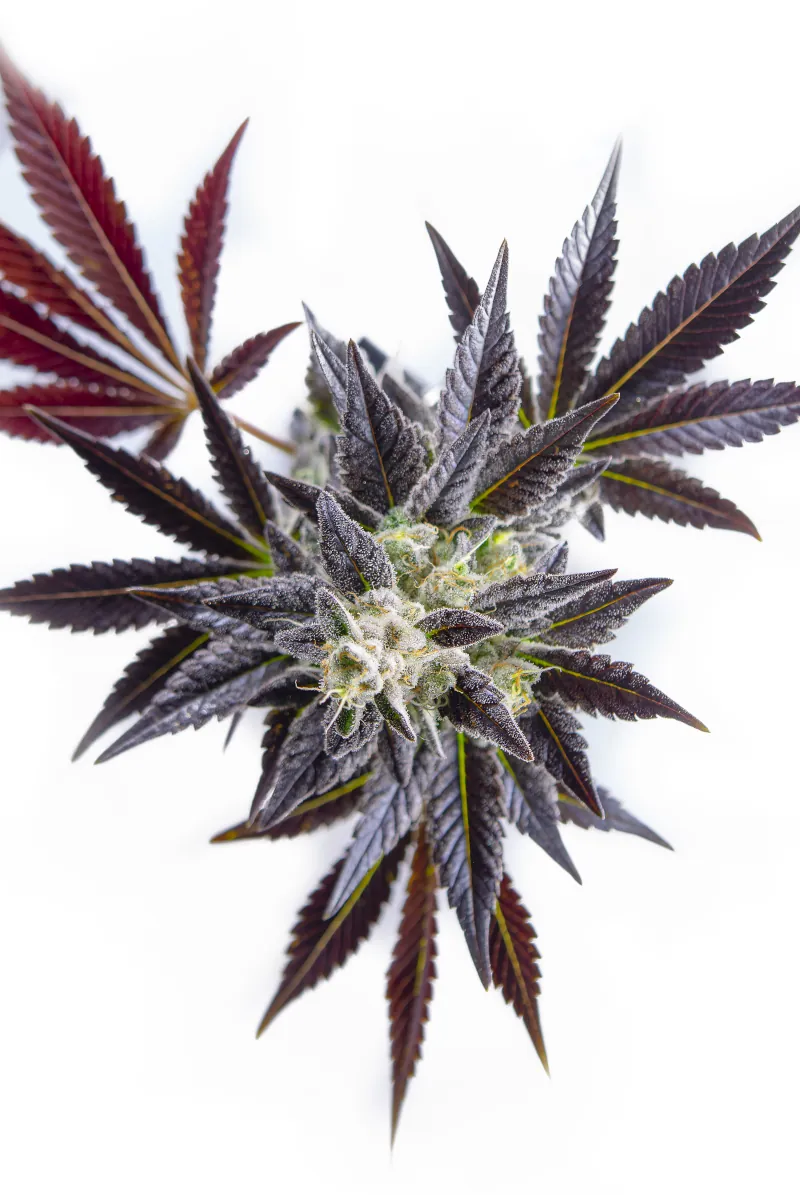
Some examples of vegetables with high anthocyanin content found in nature include fruits and vegetables such as beets, blackberries, plums, grapes, blueberries, cherries, eggplants, and, of course, purple cannabis plants like those in The Red Family.
Health Benefits of Anthocyanins
As discovered in numerous studies over the past decades, there are many health benefits of polyphenols and anthocyanins. Here are some of the most relevant ones:
Antioxidant Properties
One of the main properties of anthocyanins is their antioxidant and anti-inflammatory effect. They help prevent the aging of skin cells, support healthy blood flow, and are believed to potentially improve memory.
Cardiovascular Health Support
They have been shown to improve lipid metabolism, which is linked to cardiovascular disease. They promote better circulation by relaxing blood vessels and reducing inflammation in the arteries, thereby improving blood pressure. They also lower cholesterol and help prevent clot formation.
Immune System Support
Thanks to their antioxidant and anti-inflammatory properties, anthocyanins are considered anticancer agents. They may also positively influence gut flora and help lower blood sugar levels. Additionally, they have antibacterial and antiviral functions.
Alongside their powerful free-radical scavenging effect, anthocyanins help inhibit enzymes that activate pro-mutagens and convert mutagens into DNA-reactive derivatives.
Skin Health and Anti-Aging Benefits
Their antioxidant properties block cellular damage caused by free radicals and are highly effective in fighting premature cell aging and oxidation.
Anthocyanins in Cannabis: Their Presence and Properties
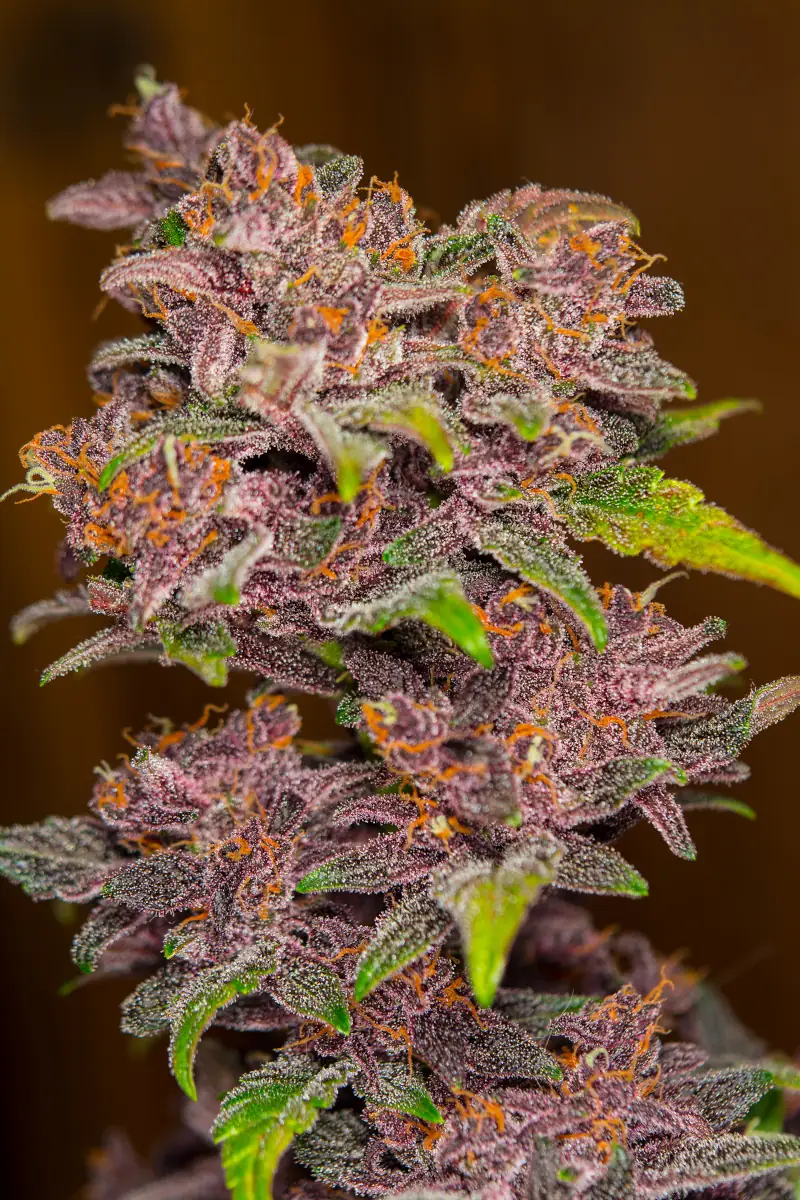
How can you tell if your cannabis is rich in anthocyanins? It’s very simple: if by the end of the flowering stage the leaves and buds display majestic purple, blue, or reddish tones, you’ll be lucky enough to enjoy all the benefits of anthocyanins, along with those of cannabinoids.
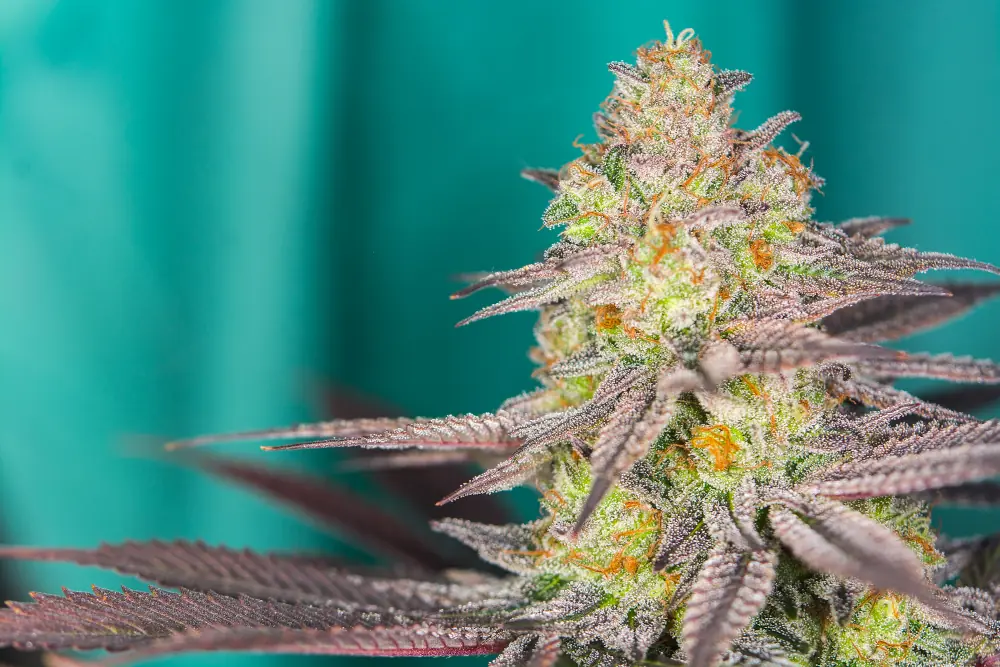
As we mentioned earlier, plants use this compound to protect themselves from UV rays, and in the case of cannabis, it is mainly expressed from the middle to the end of the flowering stage. Besides adding great visual appeal, the buds become loaded with all the goodness that anthocyanins have to offer, so by consuming them, you’re also taking advantage of those benefits. However, to be truly effective, smoking is not the best option, as the compound would degrade.
The ideal way to consume them would be through cannabis tinctures or edibles.
Cannabis Strains Rich in Anthocyanins
Just as potency, aroma, or bud density is partly determined by the strain’s genetics, the same goes for purple coloration. Originally, most purple or violet strains tended to come from Indicas or Indica-dominant hybrids, almost always Afghan or Kush genetics. Their effect was usually relaxing and narcotic, as is often the case with Indica strains.
At Sweet Seeds®, thanks to hybridization programs and selective breeding of plants to establish the genes responsible for promoting this coloration in cannabis plants, we have managed to ensure that a large percentage of the individuals in our The Red Family strains display purple, blue, and reddish hues.
Sweet Purple: Cannabis Genetics and Color
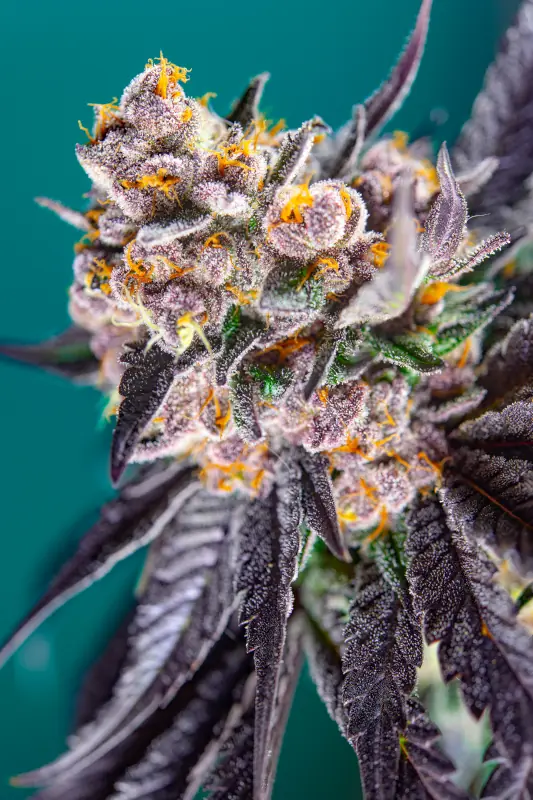
The breeders at Sweet Seeds® have succeeded in developing strains that take on these hues naturally thanks to their genetics, without the plant needing any external stimulus. You’ll be able to see how the leaves, buds, and even the resin glands take on a reddish color.
This means you don’t have to do anything special to enjoy purple cannabis plants. You just have to grow them like you would grow any other cannabis plant and wait for the magic to happen.
How Do Anthocyanins Affect the Flavor and Aroma of Cannabis?
Anthocyanins don’t directly affect the flavor or aroma of cannabis. However, many purple strains, such as Red Strawberry Banana Auto® (SWS90) or Black Muffin F1 Fast Version® (SWS111), tend to be very fruity, with fresh notes reminiscent of berries, and often show high levels of linalool, a terpene also found in lavender.
You might also detect spicy or incense-like aromas, sometimes with hints of licorice.
There may be a link between certain terpenes and purple-colored plants, but this isn’t something that we can confirm scientifically.
Environmental Factors That Boost Anthocyanins in Cannabis Plants
There are several factors that can lead cannabis plants to display purple, red, or blue hues:
- Climate conditions: This is one factor that can cause color changes in the plant, especially when nighttime temperatures are lower than usual, or in outdoor cannabis plants that go through a cooler-than-usual late summer. This happens because cannabis plants exposed to cold produce less chlorophyll (the pigment responsible for the green color in plants), allowing other pigments to become more visible.
- Nutrient deficiencies: These can also trigger changes in plant coloration. A lack of phosphorus or nitrogen may cause the plant to take on purple, red, or orange hues. If sulfur is lacking, purple streaks may appear on the plant’s stems.
- pH levels: There’s a strong relationship between pH and the color produced by anthocyanins. Higher acidity tends to result in redder tones, while higher alkalinity gives more bluish tones. When the pH is balanced between acidity and alkalinity, cannabis plants can display purple or violet hues.
How Do Anthocyanins Influence the Cannabis User Experience?
There’s no greater reward for a cannabis home grower than harvesting purple buds. Growing cannabis is therapeutic in itself, and if your garden bursts into a colorful display, from green to yellow, orange, red, purple, pink, or even black, the experience becomes even more satisfying. And if you’re a medical grower, the benefits are even more meaningful.
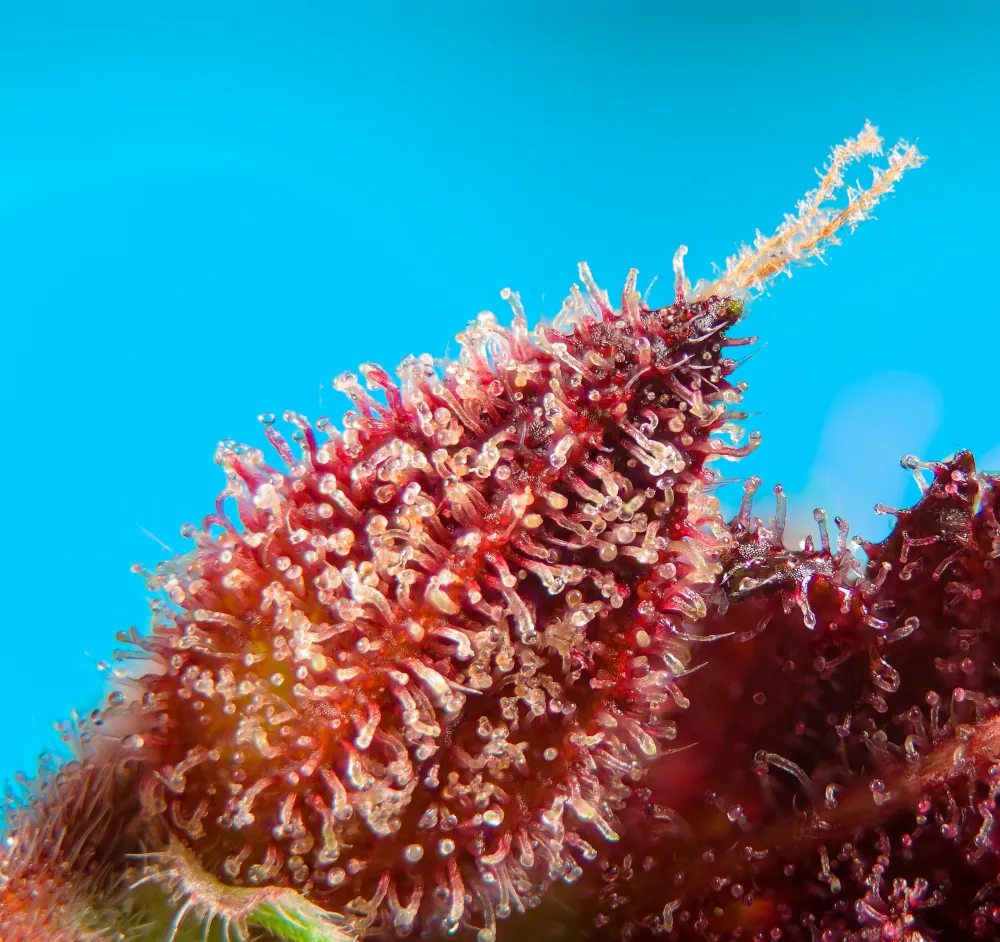
If you think growing cannabis plants with red, blue, or purple hues is incredible, just imagine producing resin extracts from the buds of these beautiful plants. Anthocyanins are also present inside the resin glands (trichomes), resulting in extracts of unmatched beauty.
Growing Seeds with High Anthocyanin Content
Growing purple cannabis seeds isn’t much different from growing any other cannabis strains. The requirements remain the same as those for standard cannabis growing: using suitable substrate, nutrients formulated for cannabis, good lighting and air circulation, along with proper watering.
If you have any questions, we recommend visiting our forum, which is specifically dedicated to cannabis growing. There you can clear up your doubts, get support, and check out many grow diaries featuring beautiful purple cannabis plants from the Sweet Seeds® genetic collection.
Choosing the Right Genetics
To wrap things up, we’d like to share a short list of strains that offer vibrant colors and high levels of anthocyanins:
- Diablo Rojo XL Auto® (SWS110): 1st Prize for “Best New Autoflower” at the IV Autoflower World Cup (Barcelona 2024). A very productive strain with an intensely fruity flavor.
- Tropicanna Poison F1 Fast Version® (SWS85): A fast-flowering and photoperiod-dependent strain with exotic flavors and a very uplifting effect.
- Red Gorilla Girl XL Auto® (SWS89): Our Gorilla, now in purple version and with the same powerful punch, XL size included.
- Red Hot Cookies® (SWS83): 3rd Prize in the Outdoor category at the 1st HomeGrown Cup – Tilburg (Netherlands, 2023). A gorgeous photoperiod-dependent strain, extremely resinous with excellent aromas of tangerine and red fruits.
Tips for Optimizing Anthocyanin Production
As you know, with our The Red Family seeds, you don’t need to do anything special, as the color will naturally appear thanks to the genetics. However, if you want to enhance the colors and increase anthocyanin production, try pre-washing the substrate and lowering the nighttime temperatures slightly.
Explore Our Anthocyanin-rich Seeds at Sweet Seeds®
We invite you to explore the Sweet Seeds®’ catalog, especially our The Red Family, which stands out for its strains with high anthocyanin levels, perfect for those looking for quality and added benefits.
As always, our main goal is to provide you with the best seeds, offering the highest quality, high germination rates, and stability, so you can achieve the best results and expand your collection of top-quality cannabis seeds.
Sweet Seeds S.L. is not responsible for any misuse of the information provided in this article. Growing Cannabis may constitute a criminal offense or administrative infraction; please check the Cannabis legislation applicable in your place of residence. Sweet Seeds S.L. does not, under any circumstances, intend to promote illegal practices.
Other posts by Sweet Seeds® (see all)
- Sweet Cheese XL Auto® Grow Diary - 24 de December de 2025
- Sweet Cheese® Grow Diary - 24 de December de 2025
- Seguimiento de cultivo de Cream Mandarine Auto® - 11 de November de 2025