
Cart
There are no more items in your cart



Differences Between Cannabis Indica and Cannabis Sativa
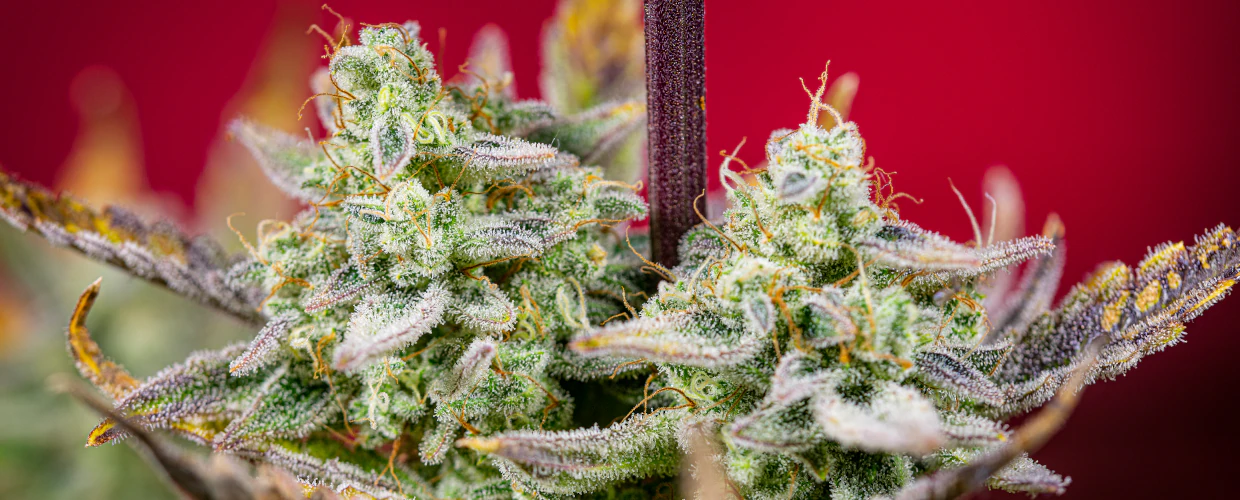
How many times have you been at a party, taken a hit from a joint, and soon felt a heavy sensation, your eyes closing as you sink into the first seat you find? Maybe your intention was the exact opposite, to feel uplifted and light, with a more psychedelic and energetic high. That’s why it’s important to understand the differences between cannabis indica and cannabis sativa strains, so that if you get to choose, you’ll know what kind of effect to expect.
Indica and sativa strains have very distinct and noticeable effects. Indica-leaning strains bring on deep relaxation and a sense that time slows down. They can relax the body while also triggering uncontrollable fits of laughter at things that, on a normal day, wouldn’t seem funny. Every stoner knows what we’re talking about.
On the other hand, sativa strains tend to affect the mind more than the body, making their effects less physical and more mental, in the sense that they are more euphoric and creative. That’s why they’re often better suited for social, creative, or playful activities, rather than quiet or meditative ones. Some strains can even lead to a state somewhat like that produced by psychedelics such as LSD or psilocybin, though far milder and shorter in duration. You could say they have more psychostimulant-like effects than indica strains.
Speaking of taxonomy, without going too deep, we can sum up the main differences that cannabis indica and cannabis sativa plants present in terms of leaf shape, plant size and structure, and the type of buds they produce. But don’t worry, whether you want to relax with the best indica or stimulate your mind with a great sativa, we’re going to break down all the differences clearly, and you’ll be able to decide for yourself whether indica or sativa is the better fit for you.
Origin of Sativa and Indica Strains
Cannabis growing dates back thousands of years, most likely starting in eastern Asia during the Neolithic period (around 10,000 B.C.). For millennia, cannabis has provided humanity with strong, high-quality fibers, offered medicinal properties, and delivered effects for recreational enjoyment or for use in mystical and religious ceremonies. Originally from Asia, cannabis gradually spread across the globe, introduced to the Americas by the Spanish during colonization, eventually reaching every corner of the planet.
As it expanded, cannabis adapted to the regions where it was cultivated. In its early days, the plant was suited to mountainous and arid climates like those in Central Asia, Pakistan, Afghanistan, and Nepal. This led to the development of cannabis indica, resulting in strong, stocky plants with large, wide leaves designed to capture as much light as possible and perform photosynthesis efficiently over a short period.
When cannabis later adapted to more tropical climates, the plants developed greater tolerance to humidity and evolved a more open, branched structure, with less foliage and airier buds. This allowed them to thrive in warm, humid conditions.
Also, because tropical regions receive more hours of sunlight throughout the year, and due to the short period in which they grow and flower simultaneously, these plants developed a larger overall size.
Let’s now take a closer look at the key characteristics and differences between cannabis indica and cannabis sativa strains.
Characteristics of Cannabis Indica
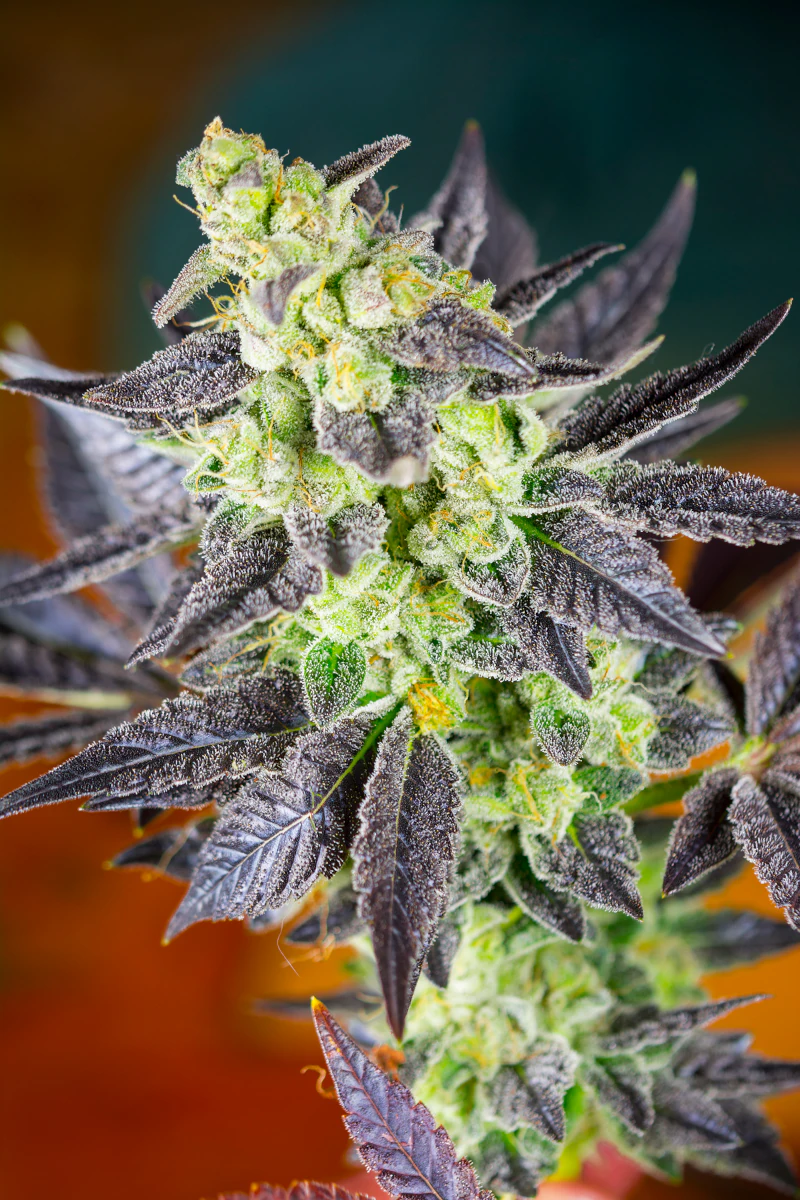
Cannabis indica strains, like our acclaimed Cream Caramel® (SWS04), belong to one of the main cannabis subspecies and are medium-sized plants. They usually don’t grow taller than 2 meters. They develop a robust structure, with thick lateral branches that support the considerable weight of their buds. It’s common to see plants with the typical Christmas tree shape.
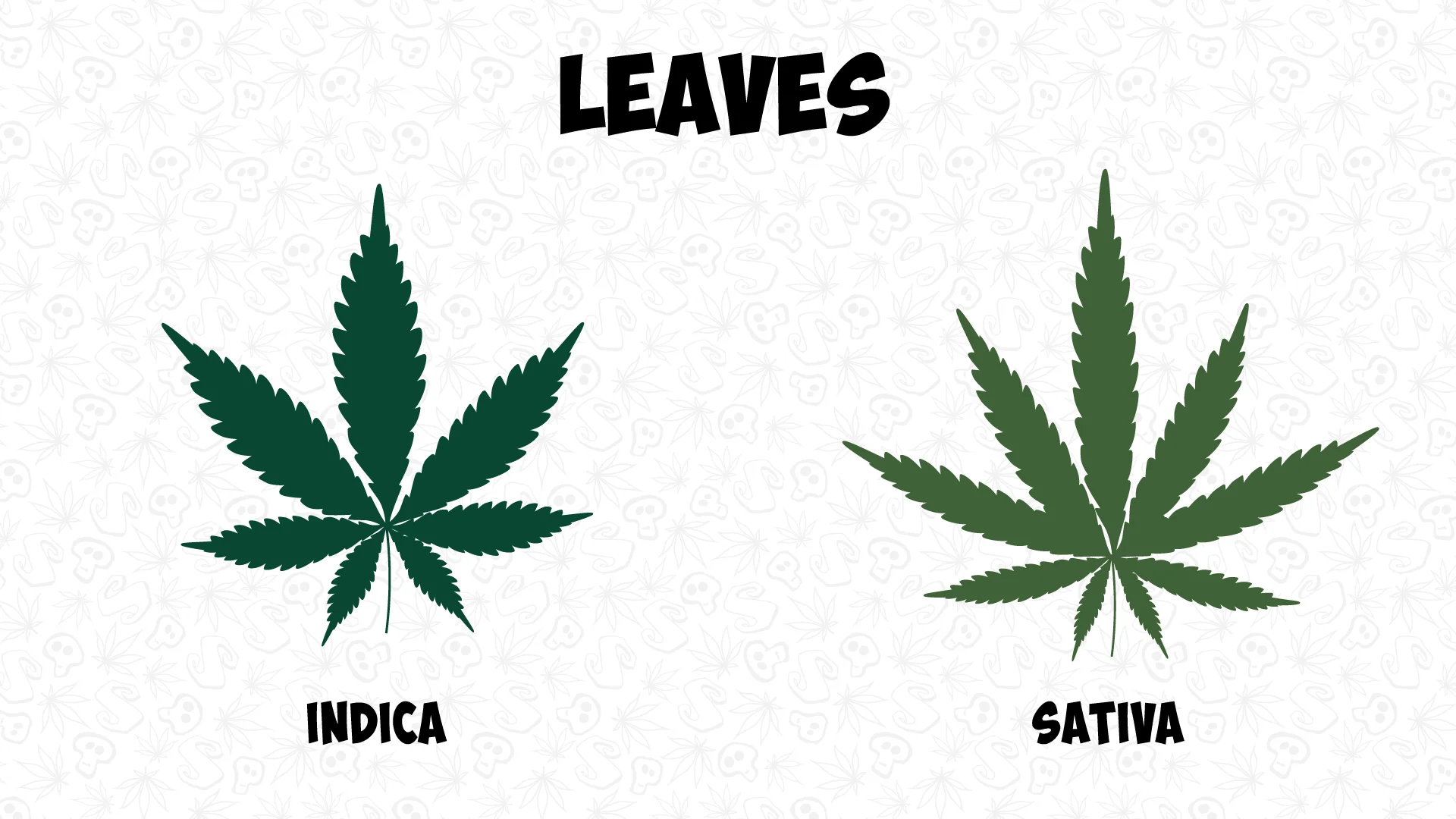
Because they originate from mountainous regions with harsh mountain climates, they are more tolerant of intense heat as well as lower temperatures than sativas. Their dark green leaves are usually large with very thick petioles, and they often deliver striking hues of purple, red, or bluish-black.
Their buds are dense and compact, producing a large amount of resin to protect themselves from environmental stressors like strong sunlight or cold temperatures. Indica strains tend to form a prominent central cola, which stands out from the surrounding satellite buds.
In indica strains, the vegetative and flowering phases are clearly differentiated. This makes them more sensitive to changes in the photoperiod. Once they sense a decrease in daylight hours, indica strains begin to flower, halting vegetative growth to focus on bud development.
The flowering period is much shorter than in cannabis sativa strains, with harvest times ranging between 45 and 60 days after the cycle shift. However, they require a longer vegetative phase to develop properly compared to sativas.
These plants are ideal for indoor growing and are not well suited to humid climates, as their dense buds are at higher risk of being affected by mold, such as Botrytis.
The aromas found in indica strains typically feature sweet, fruity, and musky notes, often layered with spicy and earthy undertones. If you were to analyze the buds of an indica strain, you’d likely find terpenes such as myrcene, humulene, or caryophyllene to be dominant.
Their effects are sedative, relaxing, and physical in nature. They also tend to bring on that classic “stoned” sensation, often with a persistent smile, which is why many users prefer them. They’re ideal for relieving stress and are used therapeutically to treat various ailments.
Here’s a list of the best indica cannabis seeds.
Characteristics of Cannabis Sativa
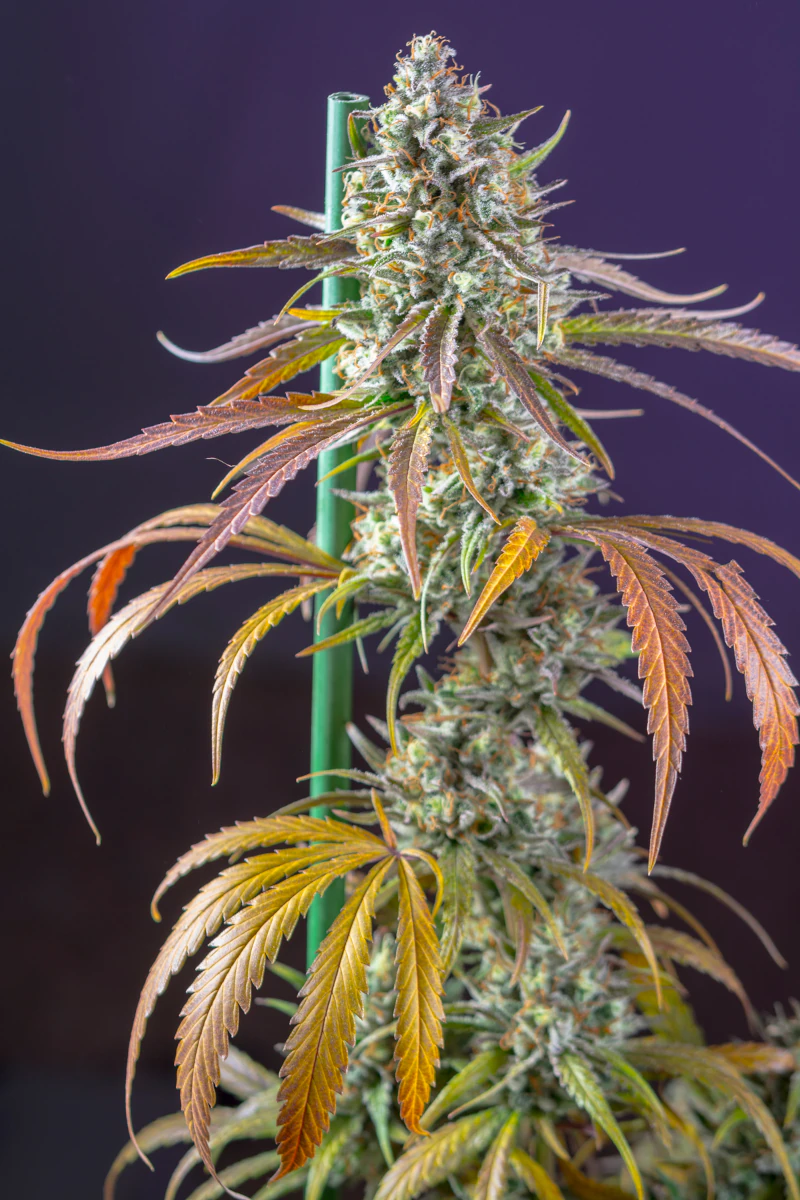
The cannabis sativa subspecies is known for its tall, vigorous growth, with slender, light green leaves. It can easily exceed 3 meters in height, which makes sense due to its adaptation to tropical climates. It’s a highly branched, bush-like plant, with long, thin branches and numerous nodes and leaves. The foliage is not particularly dense.
The buds it produces are airy, elongated, and large. Sativa plants don’t typically develop a central cola, but instead distribute flower production evenly across the entire plant. This structure is the result of adaptation to very humid climates, where air circulation is essential to avoid mold issues. The overall flower yield is higher than in indica strains, though the buds are less compact.
Pure sativa strains originally grow and flower simultaneously, having adapted to the short and steady photoperiods typical of tropical regions. In the tropics, daylight hours remain fairly constant throughout the year, so these plants have developed the ability to flower with limited darkness while continuing to grow. Their flowering stage can last up to three months. Combined with their large size, this makes them less suitable for indoor growing. However, if you still wish to grow them indoors, we recommend skipping the vegetative phase entirely.
At Sweet Seeds®, we offer a wide catalog that includes sativa-leaning strains bred for indoor growing, such as San Fernando Lemon Kush® (SWS72) or Jack 47® (SWS08), among others.
To wrap up the characteristics of cannabis sativa, let’s take a look at its aromas and effects. The aromatic profile often includes incense-like, citrusy, and floral notes, along with earthy tones and Diesel-type fuel hints. The effects evoke the classic “high” associated with cannabis, with psychedelic, uplifting, and energizing sensations.
Sativa strains are often ideal for parties, social gatherings, boosting creativity, or supporting people through depressive episodes. A well-known trait of sativa strains is their tendency to trigger an intense case of munchies as the high begins to wear off, making them useful for stimulating appetite as well.
What Are the Main Differences Between Indica and Sativa Cannabis?
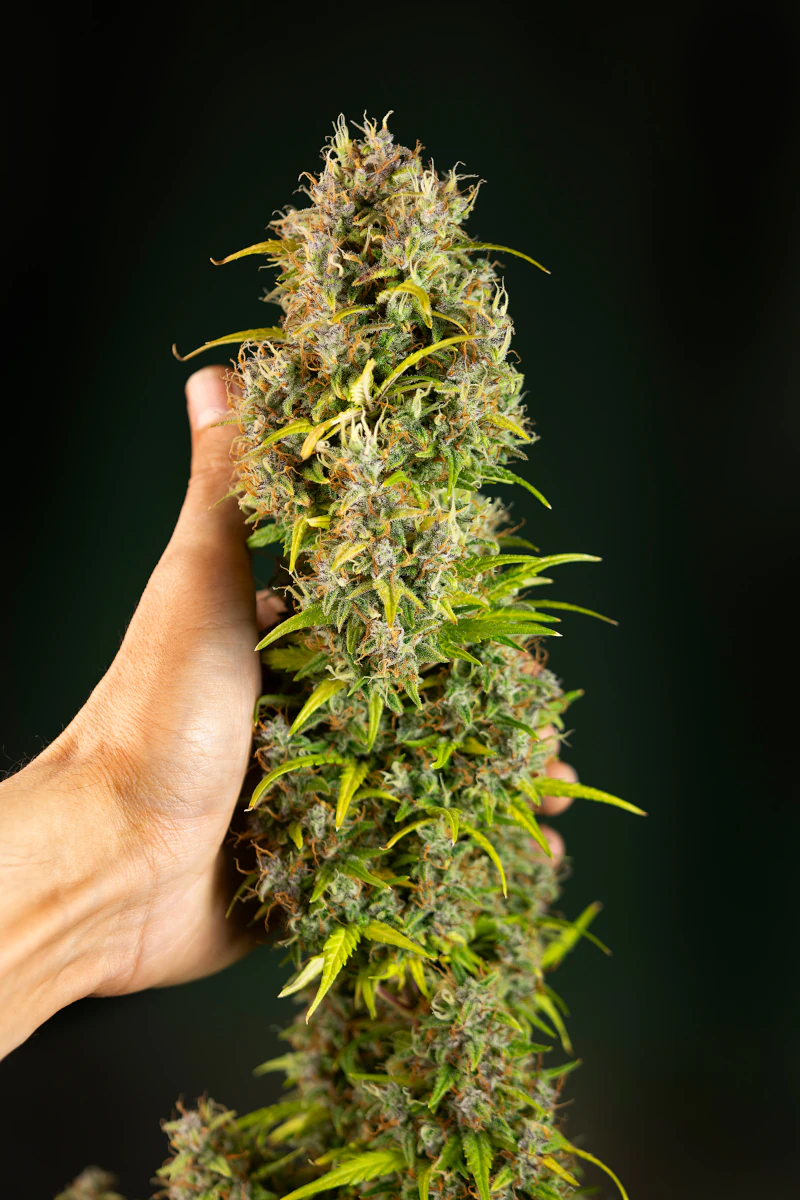
The first person to define and differentiate the various subspecies of cannabis was the French naturalist Jean-Baptiste de Lamarck, in the 18th century. Today, due to the limited number of studies available, there is ongoing debate among scientists about the way seed banks classify their strains and label them as either “Indica” or “Sativa,” as highlighted in this article from National Geographic.
For instance, in a study conducted by neuroscientist Nick Jikomes, former director at Leafly, more than 90,000 bud samples collected across different U.S. states were analyzed. The results showed that product descriptions often didn’t match their chemical composition. Another study, led by Sean Myles, associate professor of agriculture at Dalhousie University in Nova Scotia (Canada), suggested that there are barely any chemical differences between the two, and thus no scientific consensus. Recently, the main factor used to distinguish between indica and sativa effects is the terpene profile, known as the entourage effect, rather than morphology or chemical composition. Cannabis contains over 500 compounds, including more than 144 different cannabinoids.
That said, for consumers and seed banks alike, it’s still more practical to keep distinguishing between them the way it’s been done so far, at least until future research can confirm or refute the prevailing theories.
Let’s continue defining the main visible differences between cannabis indica and cannabis sativa:
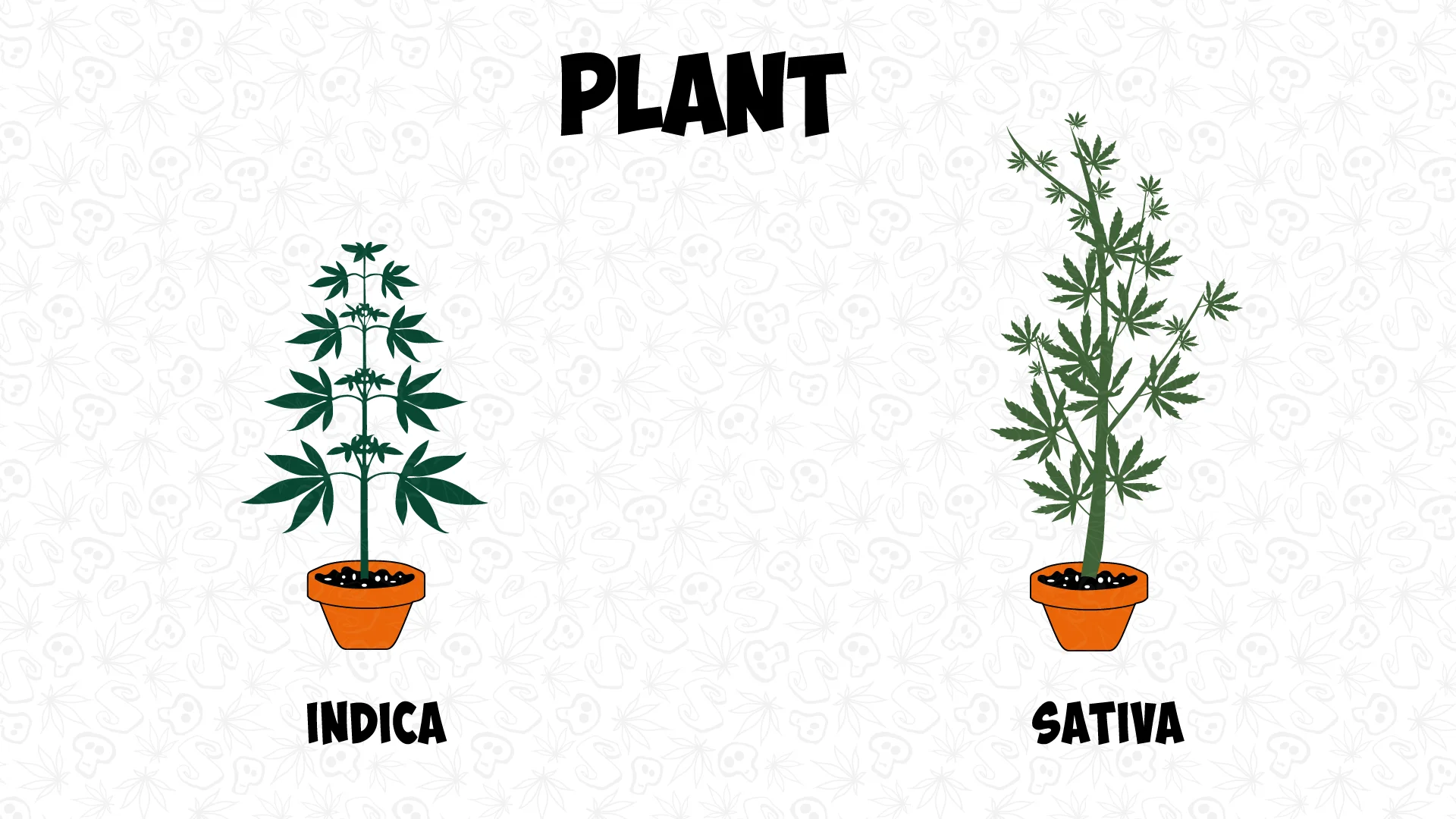
Difference between Cannabis Indica and Sativa: Appearance
Indica: Large, dark leaves with wide petioles. Smaller plants with a prominent central bud.
Sativa: Very thin, light-colored leaves. Large bushy plants with numerous buds.
Difference between Cannabis Indica and Sativa: Flowering
Indica: Very hard and dense buds, heavily coated in resin. Flowering time between 45 and 60 days.
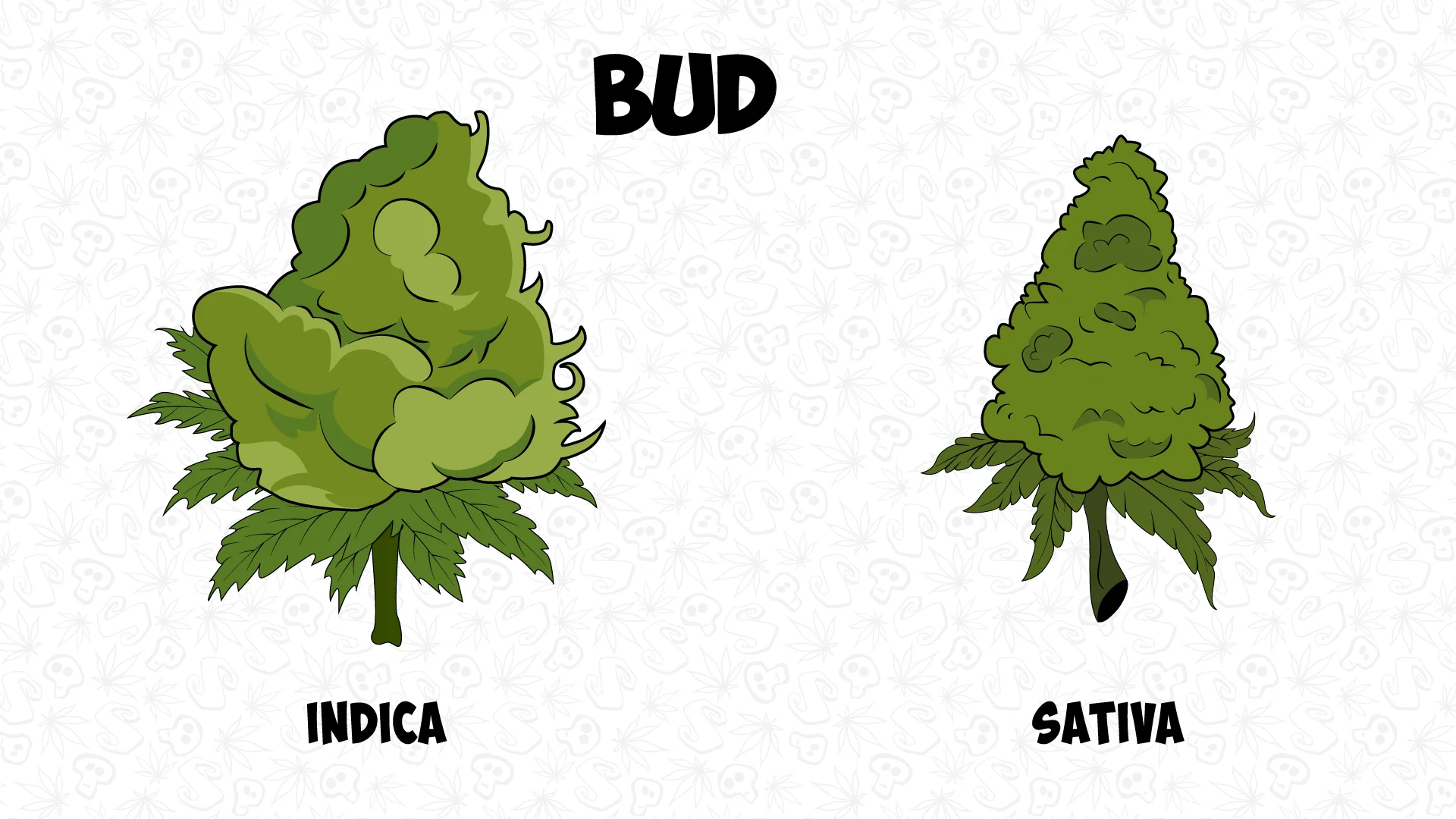
Sativa: Very long but airier buds. Flowering time of 3 months or more.
Difference between Cannabis Indica and Sativa: Size
Indica: Medium size, with a robust structure.
Sativa: Very large size, with plants easily reaching 3 to 4 meters outdoors.
Difference between Cannabis Indica and Sativa: Effects
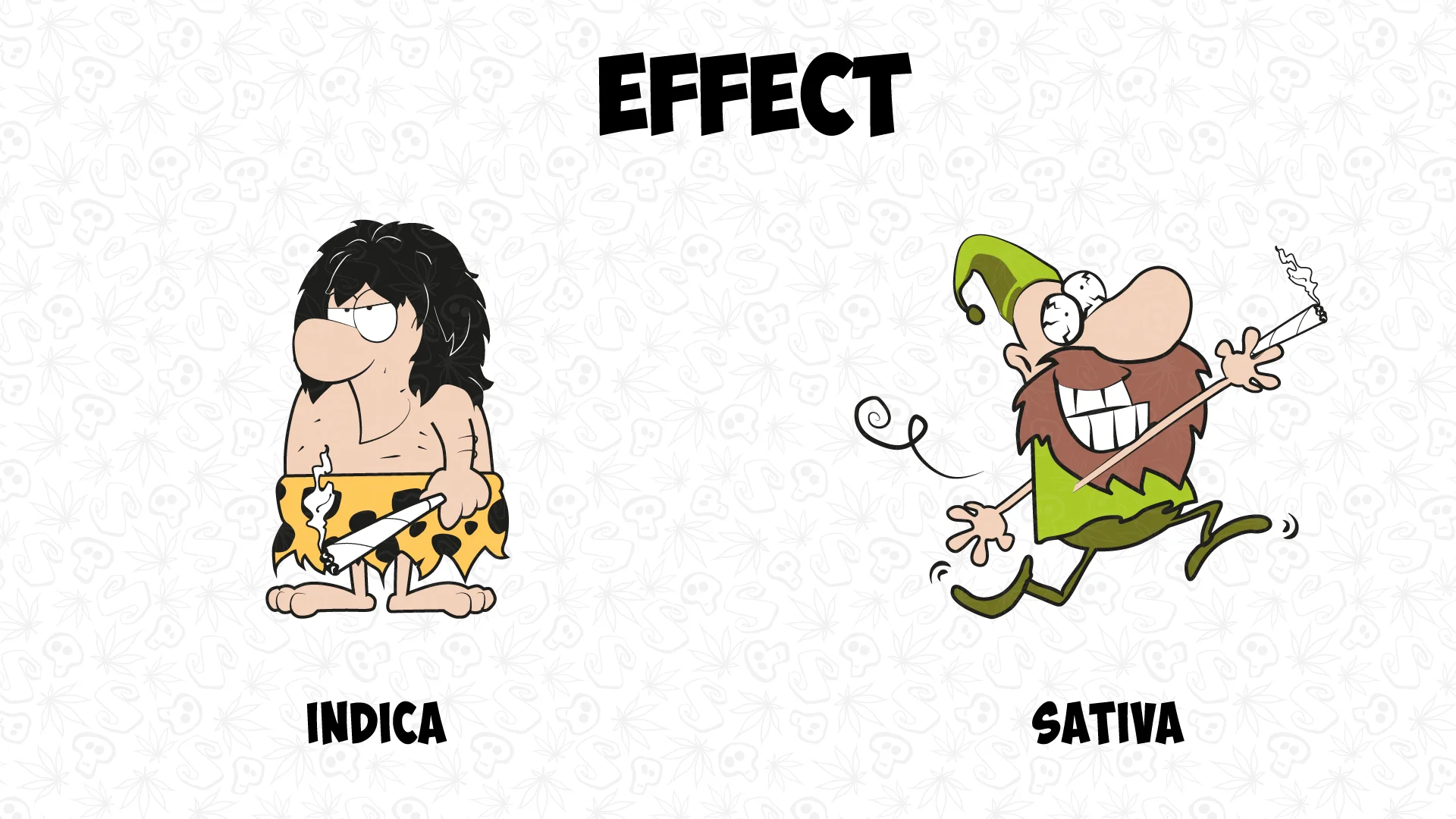
Indica: Relaxing and sedative effects, more physical in nature.
Sativa: Uplifting, creative, and energizing effects.
Grow Comparison: Indica vs. Sativa
Which one is better for growing: indica or sativa? The answer is simple: both are excellent options, as long as you’re aware of their strengths and weaknesses. Generally speaking, novice growers will do better with indica strains, as they are easier to manage. Sativas have a longer life cycle and tend to be more sensitive to nutrients. Add to that their considerable height, which makes them less discreet outdoors and harder to handle indoors, and the choice becomes clear.
You also have the option of growing hybrids, which combine the best traits of both indica and sativa strains. In fact, most strains on the market today are hybrids, as they tend to offer more stability and better overall performance.
Differences in Uses Between Cannabis Indica and Sativa
As we’ve mentioned, you need to clearly define your intended purpose. If you’re heading to a concert or enjoy creating artwork, you’re probably better off with a good sativa strain like Sweet Amnesia Haze® (SWS72). But if your goal is to relax in a calm setting, then you’d ideally go for a good indica strain like our Killer Kush F1 Fast Version® (SWS52).
How to Choose Between Indica and Sativa
Since you’ve made it this far, you probably already know which type of plant you want to grow next. But as a final tip, it’s worth taking some time to study the aromas of each strain. You may be leaning toward a sativa, but perhaps you’re not a fan of incense-like flavors. Many cannabis enthusiasts greatly enjoy fruity, citrusy, or earthy aromas, regardless of the effects.
In the end, both aroma and flavor come down to personal preference, and experimenting with high-quality cannabis allows you to discover new sensations and unique nuances, making every session a rich and personalized experience.
Find the Best Indica and Sativa Cannabis Seeds at Sweet Seeds®
To wrap things up, we invite you to get in touch with our seed bank, Sweet Seeds®, for expert advice and access to top-quality cannabis seeds. You’ll find a wide selection of high-quality indica and sativa strains on our website. Follow us on social media or visit our online forum, dedicated exclusively to supporting users who grow strains from our genetic collection!
Sweet Seeds S.L. is not responsible for any misuse of the information provided in this article. Growing Cannabis may constitute a criminal offense or administrative infraction; please check the Cannabis legislation applicable in your place of residence. Sweet Seeds S.L. does not, under any circumstances, intend to promote illegal practices.
Other posts by Sweet Seeds® (see all)
- Sweet Cheese XL Auto® Grow Diary - 24 de December de 2025
- Sweet Cheese® Grow Diary - 24 de December de 2025
- Seguimiento de cultivo de Cream Mandarine Auto® - 11 de November de 2025