
Cart
There are no more items in your cart



Homemade Marijuana Insecticides
Starting a new grow comes with a range of responsibilities, and one of the most important is keeping your cannabis plants healthy and well cared for. This isn’t just about having a nice-looking plant. In fact, it’s essential if you want to grow big, resinous, and aromatic buds. But to achieve this, we need to face a wide number of challenges with our marijuana plants. One of these challenges, and probably the most important one, is pests and diseases caused by insects and fungi that can seriously harm your crop. That’s why we’ve put together this complete guide to homemade marijuana insecticides and fungicides.
It’s important to eliminate any kind of pest as quickly as possible, since they can ruin an entire harvest. The faster and more carefully we act, the less time pests will have to reproduce, spread to other plants, and wreak havoc on the grow. Most importantly, we’ll be able to save the crop.
If you prefer not to use chemical products, you can choose to make your own insecticide or fungicide to use on any of the cannabis strains or plants you’re growing. At Sweet Seeds®, we’re offering several options for homemade marijuana insecticides and fungicides, so you can prepare them yourself, depending on the pest you’re dealing with, or hoping to prevent.
Advantages of Natural Insecticides for Marijuana Plants
Like many people nowadays, you might be interested in using natural insecticides or repellents to get rid of pests on your marijuana plants. Let’s take a detailed look at the advantages of using a homemade natural insecticide in your cannabis grow:
- 100% natural, as it uses ingredients of natural origin.
- Safer and doesn’t require a long safety period.
- Doesn’t alter the final flavor of the harvest, as long as it’s not applied during the last weeks before harvest.
- Can be a more accessible and affordable option.
- Environmentally sustainable.
How to Make a Homemade Insecticide for Marijuana Plants
There are various types of marijuana pests, with insects and fungi being the most likely to affect cannabis plants. That’s why there is a suitable homemade insecticide or fungicide for each type of pest. Let’s explore the most effective options for tackling each one:
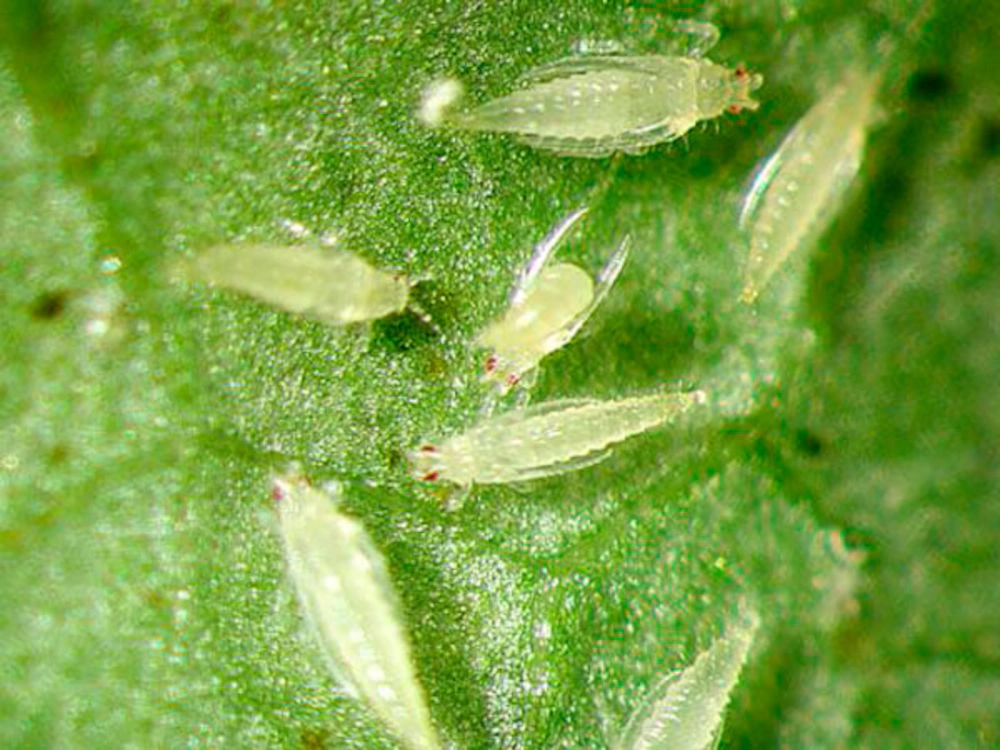
Insecticide for Thrips on Marijuana Plants
Thrips belong to an order (Thysanoptera) of small winged, sap-sucking insects that usually measure between 1 and 6 mm, although some species can grow up to 14 mm. There are around 5,600 different species, and one of the most common is Frankliniella occidentalis, which is frequently found on cannabis plants.
When thrips feed, they leave small marks on the leaves with their suction and excrement, so it’s important to inspect the foliage carefully. They are likely to appear in outdoor grows during spring and in indoor grows when conditions are favorable. While they may not directly destroy your harvest, they will certainly weaken the plant and, more importantly, are major vectors for viruses and other pathogens that can ruin a good harvest.
The recommended remedy for thrips on marijuana plants includes garlic, alcohol, and water. Here’s how to prepare this homemade marijuana insecticide:
- Peel and crush 5 garlic cloves and place them in a 1-liter bottle.
- Add half a liter of isopropyl alcohol and let it sit for 2 days with the lid closed to prevent the alcohol from evaporating.
- After that time, fill the bottle with water, strain the mixture, and spray it on the plants, focusing especially on the undersides of the leaves.
It’s important to note that alcohol can negatively affect the trichomes, so this remedy is not recommended once the buds have already started forming.
Fungicides for Fungi
Our grows can be affected by different types of fungi that can seriously harm the health of marijuana plants. It’s important to detect them early, as they can spread throughout the entire plant and some of them are especially damaging during the flowering stage. Let’s take a detailed look at the 4 most common types of fungi that can affect your marijuana grow:
- Powdery mildew: Also known as white powdery mildew, this is a cryptogamic plant disease caused by various fungal genera. It primarily affects the leaves and is characterized by a white, powdery coating on the surface. The leaves may begin to turn yellow, curl, or fall off.
- Botrytis cinerea: One of the most well-known fungal pathogens due to its devastating effect on buds. It starts with brownish spots on the buds, and the death of the leaves attached to them, followed by the appearance of a gray mold. When the spores reach the buds, they begin to decompose from the inside out, where moisture tends to accumulate. This tends to happen especially in thick, compact flowers.
- Pythium: Previously classified as fungi, Pythium is actually a genus of parasitic Oomycetes. Many Pythium species are pathogens that cause what is commonly known as root rot. This pseudofungus mainly affects newly planted cannabis, spreading easily in overly moist substrates. Symptoms appear in the roots and the soft, young stem near the base, which will become softened and narrowed.
- Downy mildew: This term refers to various cryptogamic diseases that, unlike powdery mildew, are not caused by fungi but by oomycetes (pseudofungi). It can be detected by small, oil-like spots on the leaves, with whitish patches forming on the undersides. While powdery mildew struggles to develop at temperatures above 30°C even in humid conditions, downy mildew can spread rapidly in high temperatures if there is enough moisture present.
Now that we’ve covered all the risks associated with these fungi and the threats they pose to your grow, you should now know how to detect these types of infestations in time. Below, we’ll show you how to fight them with homemade marijuana insecticides and fungicides that you can prepare yourself:
Sulfur
This is a staple in the fight against pests and fungi, used both in indoor and outdoor grows with multiple benefits. It acts as both a preventive and a curative solution against powdery mildew and spider mites.
The ingredients are:
- 80 g of micronized sulfur.
- 10 L of water.
It’s very easy to prepare. Mix and spray evenly over the entire plant. Repeat every 15 days. You should not use it once the buds have already formed.
You can also use regular powdered sulfur and dust it directly over the plant, since this type doesn’t dissolve in water. The optimal temperature range for its use is between 20°C and 30°C.
Horsetail Infusion
A simple and eco-friendly homemade solution for fighting fungi in marijuana plants. The ingredients you’ll need are just water and horsetail (Equisetum arvense), which you can find in nature, garden centers, nurseries, or already prepared for infusion in herbalist shops or some supermarkets.
Preparation and application:
- Add 100 g of horsetail for every liter of water you plan to use and let it steep for 24 hours, stirring occasionally.
- In a heat-safe container, bring the mixture to a boil for a few minutes.
- Once cooled, strain the liquid.
- Using a sprayer, apply the solution in a 1:5 ratio with water over the entire plant. Ideally, use it in dry and sunny weather.
Did you know that horsetail works as a good fungicide because it contains a high amount of silica and also a toxic saponin for fungi called Equisetonine?
Baking Soda
A simple and accessible fungicide that also offers some insecticidal properties against certain pests. You’ll only need:
- 1 liter of water.
- Baking soda.
- A few drops of natural liquid soap.
Preparation and application:
- It’s very simple. Just mix all the ingredients well and keep adding baking soda until it reaches saturation. Once it stops dissolving, the solution is ready.
- Then, spray the mixture all over the plant. Don’t forget to spray it to the underside of the leaves, where pests and fungi often hide.
Bordeaux Mixture
This classic recipe has long been used as a fungicide in various crops, including grapevines.
Here’s how to make it:
- 100 g of copper sulfate.
- 17 g of quicklime* (calcium oxide).
- 10 L of water, divided into two separate plastic containers (never use aluminum).
- Gloves and goggles.
Start by dissolving the copper sulfate in 1 L of water. One trick is to place it in a cloth bag and let it hang just below the surface, so it dissolves properly without settling at the bottom.
The second step is to “quench” the quicklime in 0.8 L of water and let it cool. But be careful, because this preparation can cause burns if it comes into contact with your skin or eyes. Once it’s cooled, add 8 L of water and strain it to prevent clogging the sprayer.
Finally, right before application, mix both solutions together and use immediately, because once mixed, it cannot be stored. However, you can keep both liquids separate and only mix the amount you plan to use.
A 15-day interval between applications works well as a preventive treatment against fungal diseases like downy mildew and Botrytis. It’s best to avoid using this solution once buds have formed, since some treatments may negatively affect the quality of the final product.
*Quicklime is corrosive and can cause skin irritation. Protective gear such as gloves and goggles is strongly recommended when handling it.
Insecticides for Spider Mites on Marijuana
The spider mite (Tetranychus urticae) is a type of red colored mite from the Tetranychidae family that, once it reaches adulthood, reproduces at an incredible speed. For this reason, it’s essential to detect this pest as early as possible to make it easier to eliminate and minimize the serious damage it can cause.
You can detect its presence by the small marks that the mites produce on the cannabis leaves when feeding on their sap. These appear as tiny yellow spots, very close together. Spider mites are usually found on the underside of the leaves, and as their population grows, you may notice webbing on the buds and some of the leaves, especially underneath.
It’s crucial to take action before this webbing appears, as it leaves an unpleasant taste on the buds. It’s also important to regularly inspect the undersides of the leaves, as this is where the mites tend to live and lay their eggs. Use a jeweler’s loupe, handheld magnifier, or linen tester to spot the spider mites or their eggs in time.
There are several natural insecticides you can prepare at home to combat this pest:
Garlic and Cayenne Pepper
To prepare this natural insecticide, you’ll need:
- Half an onion.
- 2 cloves of garlic.
- 2 cayenne peppers.
Preparation and application:
- Crush all the ingredients thoroughly in a mortar.
- Mix well with 1 liter of water and let it steep for at least 48 hours.
- After two days, strain the mixture and add 3 more liters of water to the resulting liquid. Spray your cannabis plants with this solution, paying special attention to the underside of the leaves.
Garlic Macerate
You’ll need:
- 5 cloves of garlic.
- Water.
- Isopropyl alcohol.
Preparation and application:
- Peel the garlic cloves and crush them.
- Add the crushed garlic to half a liter of alcohol and let it steep for 2 to 3 days.
- After maceration, strain the mixture and dilute it with half a liter of water. Apply it to affected plants using a spray bottle. This works both as a treatment and a repellent. Don’t forget to spray the underside of the leaves.
Potassium Soap (Potassium Oleate)
This insecticide-miticide-fungicide works on contact and is one of the most commonly used, thanks to its low toxicity and high effectiveness. It works very well to fight spider mites, as well as against mealybugs, aphids, ants, and other soft-bodied insects. It’s also used to combat fungi like powdery mildew, downy mildew, botrytis, and alternaria.
You will need:
- 5 L of oil (used kitchen oil works).
- 5 L of water.
- 1 kg of caustic potash flakes.
- Gloves and goggles.
You can adjust the amounts depending on how much you want to prepare. Here’s how to make it:
- Heat the water to about 40 °C (104 °F).
- Carefully mix the caustic potash* with the warm water in a container that can handle caustic materials. Iron or stainless steel is fine (don’t use plastic).
- Once fully dissolved, add the oil and stir with a stick for about an hour, always stirring in the same direction.
- Let it sit for 15 days before using. The resulting product should have a buttery consistency.
When handling the ingredients, avoid aluminum utensils and always use protective gloves and goggles.
Once ready, you can use it at a ratio of 30 g diluted in 1 liter of water, applied every two or three days to your plants, but only while they are still in the vegetative stage or haven’t developed buds yet. For increased effectiveness, you can combine this mix with a nicotine solution, pyrethrum extract, or neem oil.
Finally, it’s best not to use this product in full sun, as it degrades easily. A good practice is to spray your plants at dusk or nightfall, when sunlight is minimal, and insect activity is lower.
*Caustic potash is highly corrosive. In case of splashes, neutralize with vinegar.
Homemade Insecticide for Aphids
Aphid infestations are easy to detect, as these insects are large enough to be seen with the naked eye. They cause a range of symptoms due to the damage they inflict when sucking sap from the plant and excreting sugary substances (honeydew produced by aphids). Common signs include curled and sticky leaves, or in more severe cases, yellow or black spots caused by fungi or viruses transmitted by this pest. These insects feed on your cannabis plants by piercing the tissue and sucking out the sap. If not dealt with quickly, they can seriously compromise your entire grow.
If you’ve noticed these insects or any of the symptoms mentioned above, act fast to prevent further damage. You can apply several homemade insecticides to deal with this type of pest.
Nettle Slurry
This is undoubtedly one of the most useful organic and eco-friendly products you can have in your garden. This so-called “weed” can become your best ally, because not only is it a great insecticide and fungicide, but it’s also an excellent fertilizer, whether applied via irrigation or as a foliar spray. To prepare nettle slurry, you will need:
- 100 g of fresh nettles (without flowers, to avoid spreading seeds).
- 1 liter of lukewarm water.
Preparation and application:
- In a non-metallic container, chop the 100 g of nettles and add 1 liter of water. It is important to use rainwater or dechlorinated tap water (to dechlorinate tap water, simply leave it uncovered overnight in a pot).
- Cover the container with a cloth to keep insects out while allowing gas to escape, and let it ferment in a spot away from direct sunlight. Stir the mixture every day.
- After about 5 to 10 days, strain the mixture to obtain the final product. You can now spray the entire plant to combat this and other pests. Be sure to apply to both the top and underside of the leaves.
If you want to make a larger quantity for use as fertilizer, the ratio remains 100 grams of nettles per liter of water. For use as a fertilizer, dilute the slurry at a ratio of 100 ml per 1 liter of water before applying.
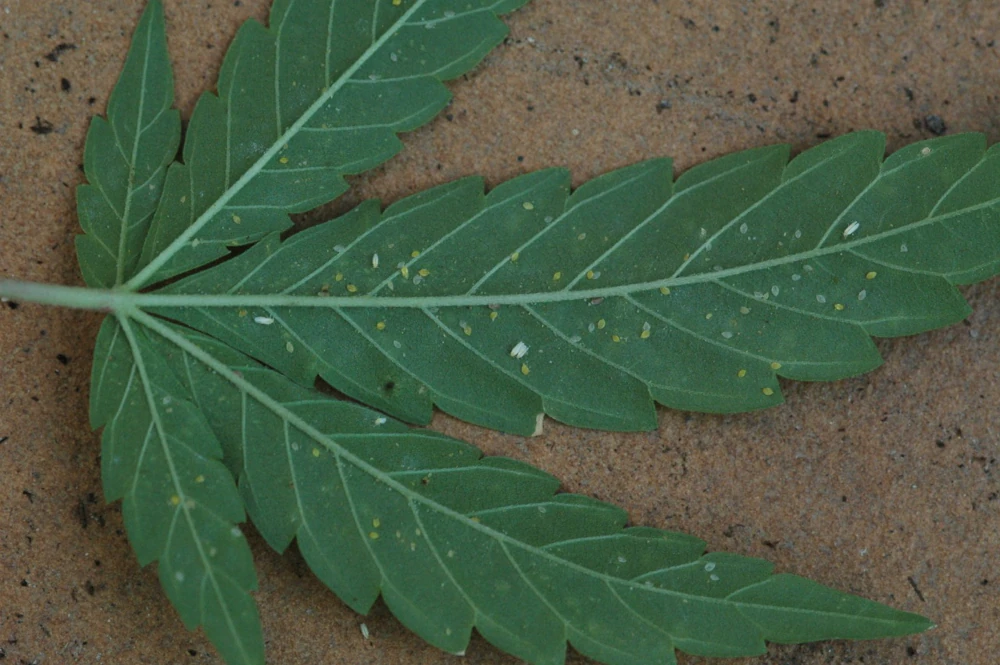
Insecticides for Whiteflies
Whitefly infestations are among the most common, especially in outdoor grows, though they also frequently appear in indoor setups. The culprits typically belong to different species of homopteran insects in the Aleyrodidae family, such as Bemisia tabaci or Trialeurodes vaporariorum. These are tiny white flies that can be seen resting or flying around any part of the plant. In their larval stage, they are usually found on the underside of the leaves.
It’s important to control this and other pests promptly, as they weaken the plant by sucking its sap and can also act as significant vectors for viruses and fungi.
Avocado Pit Insecticide
One effective homemade solution for whitefly infestations is made using an avocado pit. Avocado pits contain a high concentration of tannins, which are bitter and unpleasant substances that are toxic to many insects, including whiteflies. Next, we are going to explain how to make it.
Procedure:
- While bringing 1 liter of water to a boil, grate an avocado pit using a standard grater.
- Once the water boils, remove it from the heat and add the grated avocado pit.
- Cover the mixture and let it steep for 12 hours.
- Strain the mixture and store the liquid in a bottle.
- Before application, dilute 100 ml of the stored liquid in 500 ml of water (a 1:5 ratio). Using a spray bottle, apply the solution thoroughly over the plant, paying special attention to the underside of the leaves.
Remember that this homemade insecticide should be used at a 1:5 dilution ratio.
Methods to Control Snails and Slugs
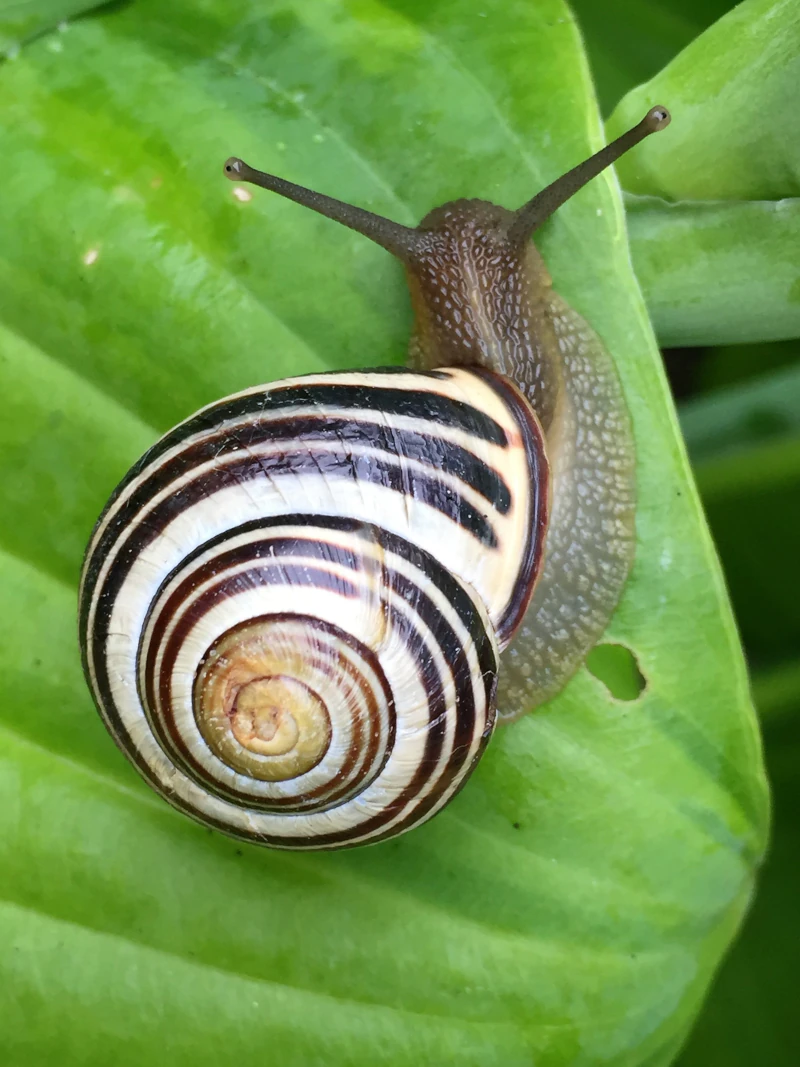
Identifying the presence of these invertebrates from the Helicidae family in your grow is fortunately quite easy, thanks to the telltale signs they leave behind on the plants.
Some indicators of these mollusks include the slimy trail they leave in their wake and the hole-riddled leaves caused by their feeding.
In this case, one of the most effective solutions is the use of traps to catch snails and slugs.
Homemade Snail Traps
One simple trap you can use involves beer as bait. Take a container that can be buried in a way that its top remains at the soil level, place it near your plant, pour in some beer, and the snails will be lured in by the scent and fall inside. Keep in mind, though, that this may also attract other insects.
Another type of trap you can apply is to sprinkle wood ash or diatomaceous earth (also known as diatomite) around the base of your plant. Any substance with dehydrating properties will act as a powerful deterrent to both snails and slugs.
Insecticides for Caterpillars and Worms
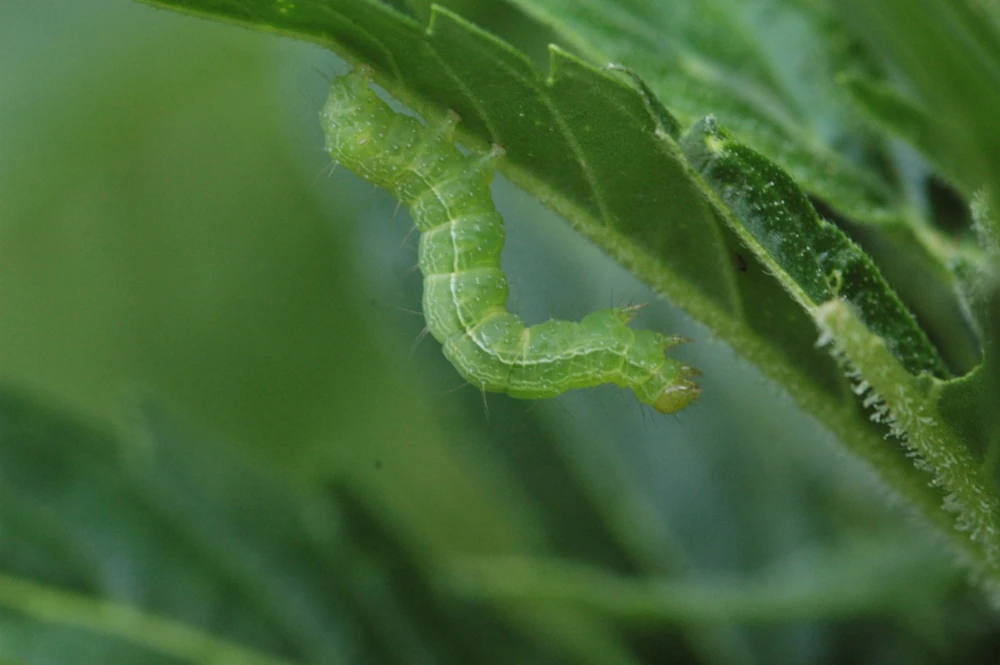
Whether you’re a novice grower or a seasoned expert, this is without a doubt the most concerning pest when it comes to cannabis plants. Caterpillars, often mistaken for worms, are the grower’s number one enemy, especially in outdoor grows.
The most common species of these lepidopterans you might encounter include: Spodoptera exigua, Spodoptera litoralis, Autographa gamma, Plucia chalcites, and Helicoverpa armigera. While the adult moths pose no direct threat as they do not feed on the plants, the danger lies in the eggs they lay. In their larval or caterpillar stage, they become one of the biggest threats you can face.
They not only feed on the leaves but also burrow into the buds from the inside out, making them harder to detect. Beyond the damage caused by feeding, their droppings inside the buds create the ideal conditions for grey mold to develop, putting your entire harvest at serious risk. That’s why we are going to share information about a natural insecticide you can use to prevent or combat this issue.
Neem Oil-Based Insecticide
Neem oil is a natural product that’s safe for all types of plants and suitable for both outdoor and indoor grows. It’s a great organic option to fight off caterpillars and worms, as well as many other types of cannabis pests. Here are some of the pests and diseases that neem oil can help prevent and control:
- Mites
- Mealybugs
- Whiteflies
- Leaf miners
- Powdery mildew
- Downy mildew
- Rust
- Botrytis (grey mold)
To prepare the solution, you only need three ingredients:
- Neem oil
- Potassium soap or, alternatively, liquid neutral soap.
- Water.
How to prepare the neem oil and the potassium soap insecticides:
- In a spray bottle, add 1 liter of water, then mix in 5 ml of potassium soap or, if potassium soap is unavailable, you can use liquid neutral soap instead.
- Add 5 ml of neem oil, close the bottle, and shake well to get it perfectly mixed.
- Spray the entire plant thoroughly using a sprayer.
We recommend using this method as a preventive measure, as caterpillars become harder to eliminate once they reach a more advanced stage.
As you have seen, it is absolutely possible to control or eliminate a pest using homemade solutions. When you notice signs of a possible infestation on your cannabis plants, get back to this guide to tackle the problem naturally and effectively. With this information, you will be able to identify and act against pests in time and, best of all, you can make the right insecticide yourself to suit your needs.
At Sweet Seeds®, we aim to provide all the information you need to ensure your cannabis grow is a success and, above all, to ensure that you enjoy The Sweetest Experience.
Sweet Seeds S.L. is not responsible for any misuse of the information provided in this article. Growing Cannabis may constitute a criminal offense or administrative infraction; please check the Cannabis legislation applicable in your place of residence. Sweet Seeds S.L. does not, under any circumstances, intend to promote illegal practices.

Other posts by Sweet Seeds® (see all)
- Sweet Cheese XL Auto® Grow Diary - 24 de December de 2025
- Sweet Cheese® Grow Diary - 24 de December de 2025
- Seguimiento de cultivo de Cream Mandarine Auto® - 11 de November de 2025