
Cart
There are no more items in your cart



Control and Modification of Sex in Cannabis
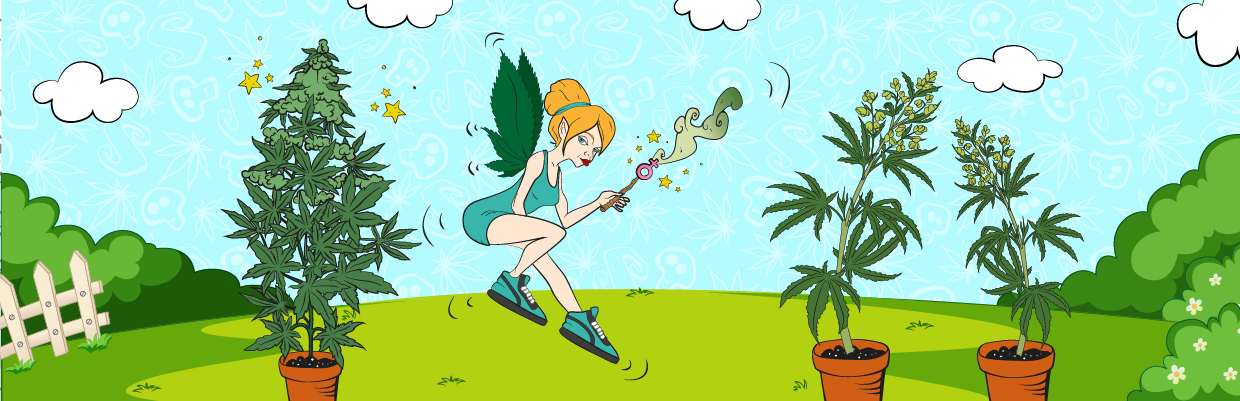
The study of the mechanisms that control and enable sex modification in cannabis plants is one of the most intriguing and relevant topics in cannabis biology. At Sweet Seeds®, since our very beginnings, we have deeply researched these processes, which are crucial to understanding the floral biology of cannabis.
This knowledge is valuable for both breeders and growers, allowing significant advances such as the creation of feminized seeds with a 99.95% success rate in the production of female plants. Although it is not possible to guarantee 100% females, our research continues to reduce the margin of error in order to minimize the appearance of hermaphrodites and males.
Genetic Determination of Sex in Cannabis
The role of sex chromosomes
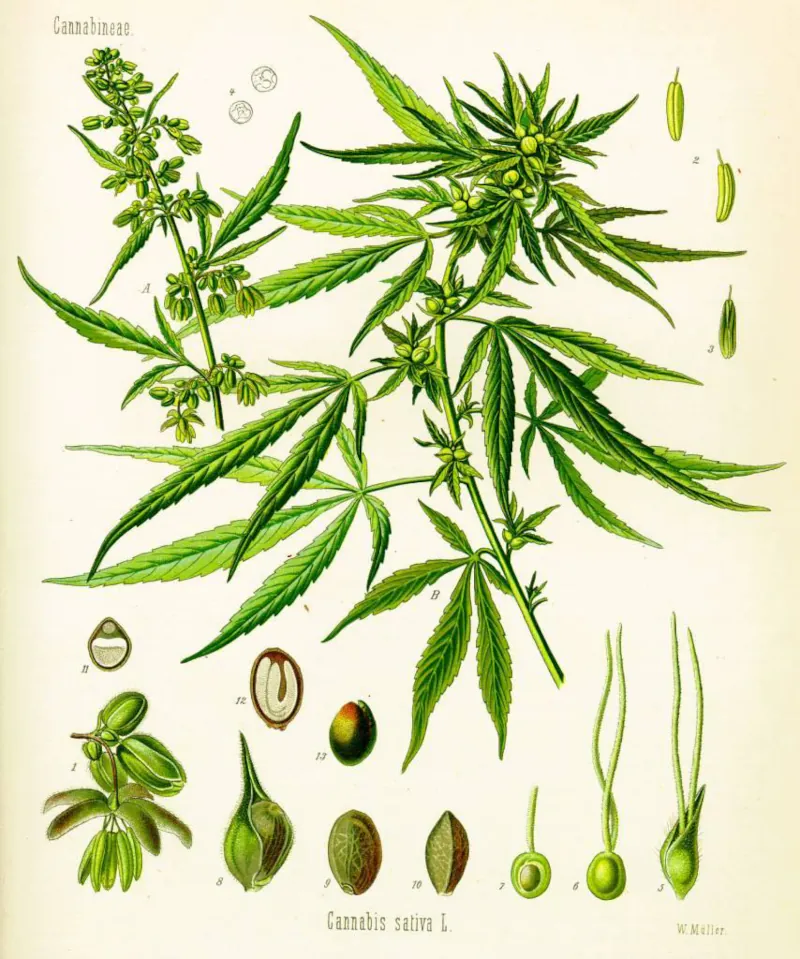
Cannabis is a diploid species with 20 chromosomes, including two sex chromosomes:
- XX: Female plants.
- XY: Male plants.
Although this genetic basis is decisive, it does not explain phenomena such as:
- The appearance of monoecious (hermaphroditic) strains.
- The presence of monoecious plants in dioecious populations.
- Cases of partial or total sex reversal observed in clones.
Interaction between genetics and environmental stimuli
Although sex is genetically defined, external factors such as light, temperature, nutrition, and chemical products can alter sexual expression, causing the appearance of flowers of the opposite sex.
Epigamous Theory: How the Environment Influences the Sex of Cannabis
Key environmental factors
Sex modification in marijuana plants is influenced by environmental stimuli that interact with the genotype. The Epigamous Theory complements the Genetic Theory and explains phenomena such as:
- Partial or total hermaphroditism.
- Sex reversal under certain conditions.
Hormonal changes and their impact
These stimuli generate hormonal fluctuations that mask inherited sexual traits, allowing partial (hermaphroditism) or total (sex reversal) expression of the opposite sex.
Difference Between Genetic and Environmental Hermaphroditism
Genetic hermaphroditism:
- Inherited through specific genes.
- Characteristic of local monoecious varieties such as some Thai.
Environmental hermaphroditism:
- Caused by external stimuli such as adverse environmental conditions or improper handling.
Sexual Expression in Cannabis: Genotype + Environmental Factors
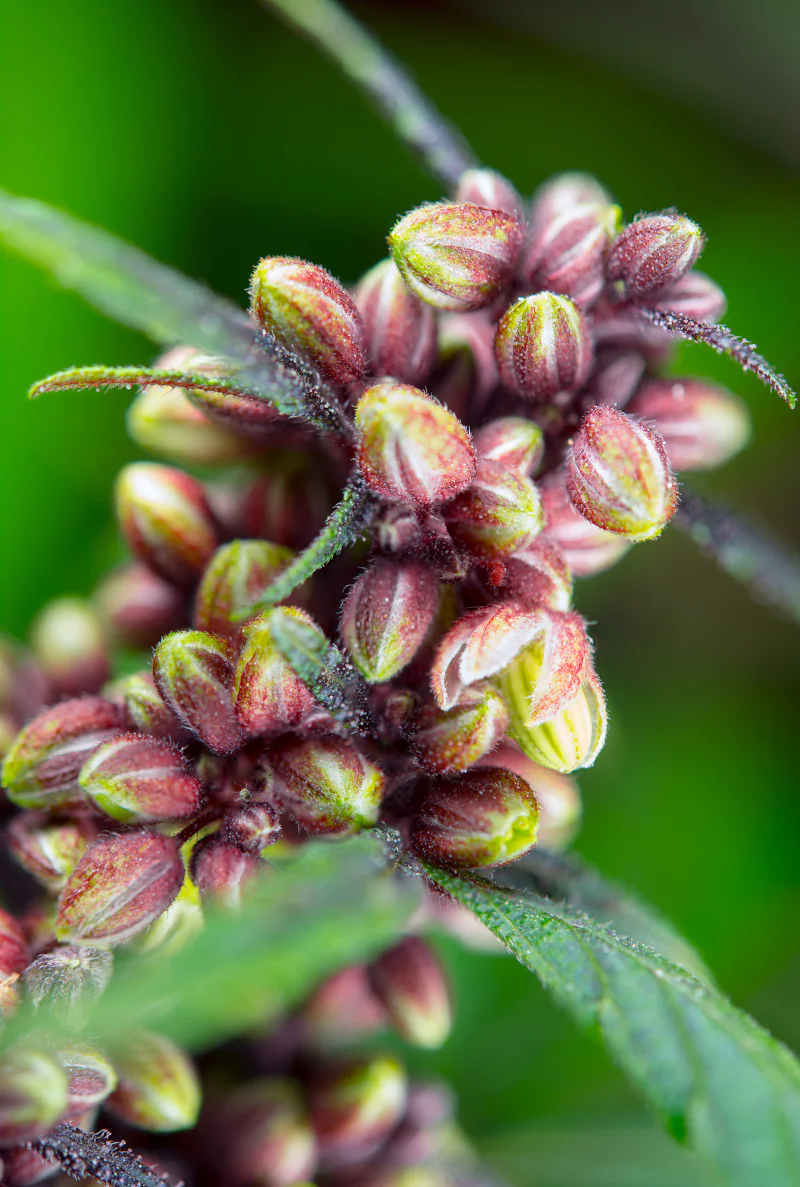
To guarantee high-quality feminized seeds, at Sweet Seeds® we not only select exceptional females with XX genetics, but also those that show minimal or no tendencies to reversal of sex under environmental stimuli.
These plants, known as “pure females,” are crucial in the production of feminized varieties. Their use in breeding programs generates genetically 100% female XX descendants, achieving a phenotypic expression of almost 100% of female plants.
However, poor cultivation practices or lack of information can lead to the appearance of male flowers or even sex modification in marijuana plants, affecting the desired development of XX females.
Causes of Sex Reversal in Cannabis
The sex of cannabis plants is determined by the hormonal balance between gibberellins and ethylene. If the gibberellins are higher than ethylene, the plant will produce male flowers, and if the ethylene is higher than the gibberellins the plant will be female, while if the production of ethylene and gibberellins is balanced the plant will produce flowers of both sexes, commonly known as hermaphrodite plants, although the correct term to use would be monoecious.
Cannabis can therefore produce monoecious plants that trigger self-pollination. As we will see below, the trigger for sex modification in marijuana is usually caused by one of the following reasons.
Environmental stress as the main cause
Unlike induced reversal, environmental stress can alter hormonal balances. When they shift into equilibrium, this can cause the appearance of flowers of both sexes at the same time, leading to self-pollination and subsequent self-fertilization and the formation of seeds in the buds.
Factors such as light stress, extreme temperature outside the range of 20-28 °C, or inaccurate nutrition can also cause some females to become hermaphrodites by modifying hormone balances. Even heavy pruning can be a trigger.
Indoor growers can control all environmental parameters to avoid stress and hormonal imbalances that cause this change in plants.
In an ideal grow, measurements should be taken of the number of lumens and the light spectrum received by the canopy so that the plants receive the necessary amount of light for proper development. If there is either an excess or a deficiency, plants show their stress through various symptoms, and one of them can be the dreaded hermaphroditism.
In turn, if the photoperiod during flowering is interrupted by light pollution during the night or interruptions during the daytime cycle, the hormonal signal is also altered, and hermaphroditism may appear.
Influence of chemicals on sex reversal
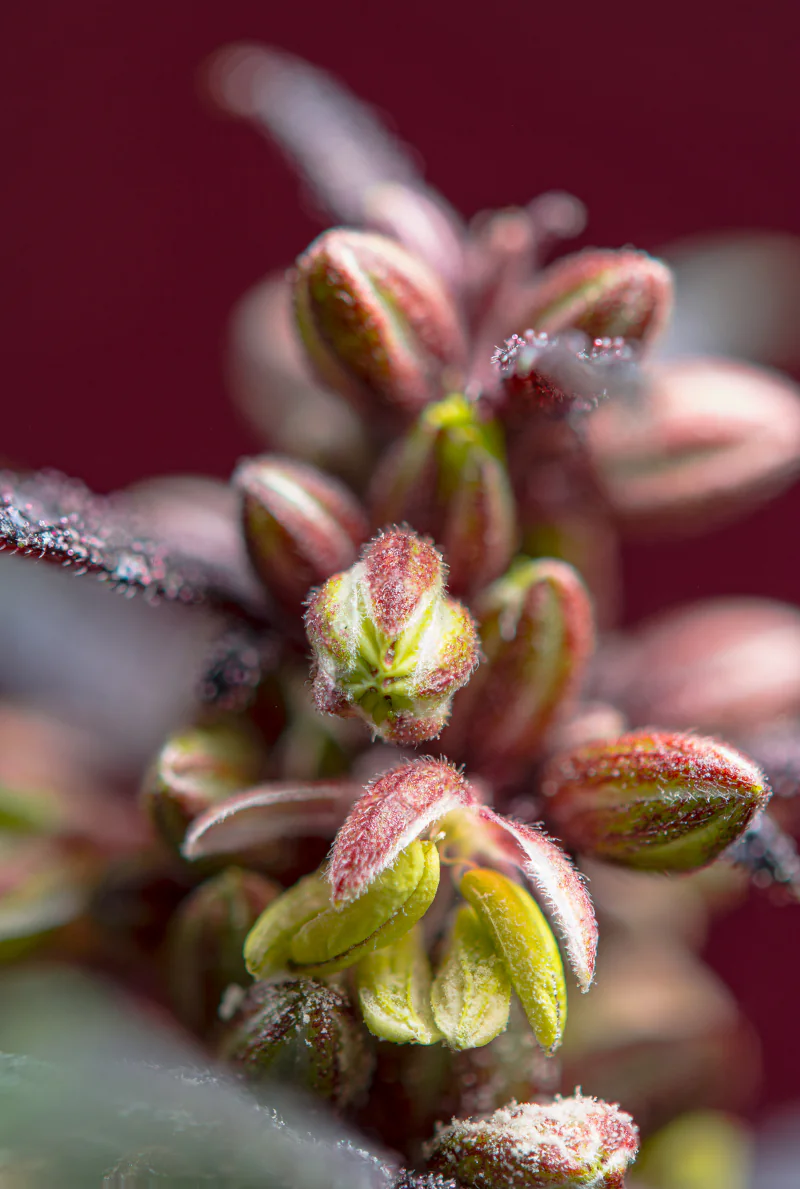
Products such as Colloidal Silver, Silver Nitrate (AgNO₃) and Silver Thiosulfate Solution (STS) are capable of blocking the synthesis of ethylene (it is essential for female flowers to be produced) so their application to the plant acts by causing the modification of the sex of marijuana, resulting in female plants that produce male flowers.
Gibberellins (GA3) are also known to genetically activate plants by promoting male structures and are very useful in floral biology studies.
Some fertilizers contain gibberellins to stimulate both growth and flowering, and as we have mentioned before, these hormones have a close relationship with male flowers (males and hermaphrodites).
The exogenous application of gibberellins GA3 or GA4+7, or of ethylene inhibitors or anti-ethylene agents such as Silver Thiosulfate Solution, induces the formation of male flowers in female cannabis plants.
The use of STS for sex reversal is much more effective but, like other products, it can also cause phytotoxicity and, if not applied correctly, the plant may end up in a state of intersexuality and develop both sexes.
Genetic predisposition and its impact
Cannabis plants produce both female and male plants, but some individuals carry genotypes that favor sex reversal. Certain alleles on the X chromosome regulate sexual expression and, under any instability, increase the likelihood of developing male flowers in XX (female) plants.
This can have a long-term impact on breeding programs if these details are not carefully managed when creating new strains.
New cultivars from the North American market tend to develop plants with hermaphroditic tendencies, possibly due to the desire to create hybrids that, at first glance, are not genetically stable.
This is where the breeder’s work lies: to produce seeds that retain the best traits of their parent plants without carrying forward the tendency toward sex reversal.
Environmental Factors Influencing Sex Modification in Cannabis Plants
Critical period in the vegetative phase
The stage when plants reach their third or fourth true pair of leaves, and the following two weeks, is critical for sex determination. During this period, environmental conditions have a crucial impact on the final outcome.
Light and its influence on feminization
- Duration and intensity: Reducing the photoperiod and light intensity favors feminization and reduces the risk of hermaphroditism. For example, a 16-hour photoperiod during the growth stage is ideal.
- Light spectrum: Blue light stimulates feminization, so it is recommended to use Metal Halide lamps throughout the vegetative stage.
- Negative effects of light stress: Disruptions in the photoperiod, especially during flowering, can cause stress, leading to male flowers or favoring sex reversal.
Substrate and root development
A healthy and strong root system, supported by well-aerated substrates, promotes high levels of cytokinins, which in turn encourages feminization. In contrast, damaged roots or plants confined in small containers can trigger hermaphroditism or masculinization.
Impact of temperature
- Low temperatures: A range of 20 °C during the day and 15 °C at night is optimal in the critical period, favoring feminization.
- High temperatures: These, especially during flowering, can induce the formation of male flowers.
Humidity and water stress
- Optimal humidity: A relative humidity level of 70% during the early stages helps prevent masculinization.
- Water stress: Severe drought or excess water can damage the roots, promoting sex modification in cannabis plants toward male characteristics.
Atmosphere and CO₂ exposure
An atmosphere rich in CO₂ stimulates optimal root development and increases the proportion of females. However, handling CO₂ must be extremely careful due to its toxicity to humans.
Nutrients and Hormonal Balance in Sex Modification
Nutritional balance plays a crucial role in sex modification in cannabis plants, as nutrients directly affect metabolism and the production of essential hormones such as cytokinins and gibberellins. These hormonal compounds are responsible for influencing the sexual expression of plants and can shift development toward male or female phenotypes.
The Role of Nitrogen and Potassium in Sex Modification
- High nitrogen levels:
- They stimulate the aerial development of the plant, favoring the growth of stems and leaves to the detriment of the root system.
- They increase the production of gibberellins, hormones that tend to masculinize the phenotype. This can increase the risk of the appearance of male or hermaphroditic characteristics, even in genetically female plants.
- It has been observed that hermaphroditic plants usually show higher levels of total nitrogen compared to pure females.
- High potassium levels:
- They promote the development of the root system, the main site of cytokinin production. These hormones promote feminization by counteracting the effects of gibberellins.
- Increased potassium contributes to greater hormonal stability, which increases the chances of obtaining female plants from regular seeds.
Sex Reversal as a Tool in Breeding Programs
Ancestral angiosperms were hermaphrodites, and dioecy in cannabis emerged as a strategy to avoid inbreeding and generate variability, which is the source of environmental adaptation and evolution.
In modern strains, this undesirable trait is mitigated through the selection of parents with little tendency to produce hermaphroditism, but it persists genetically as a reminder of plant plasticity.
All cannabis plants contain in their genetic code the necessary information to be able to produce flowers of both sexes, and this quality is used by breeders to obtain male pollen from female plants and use this female-derived pollen to produce feminized seeds.
How to Prevent Sex Reversal in Cannabis Plants
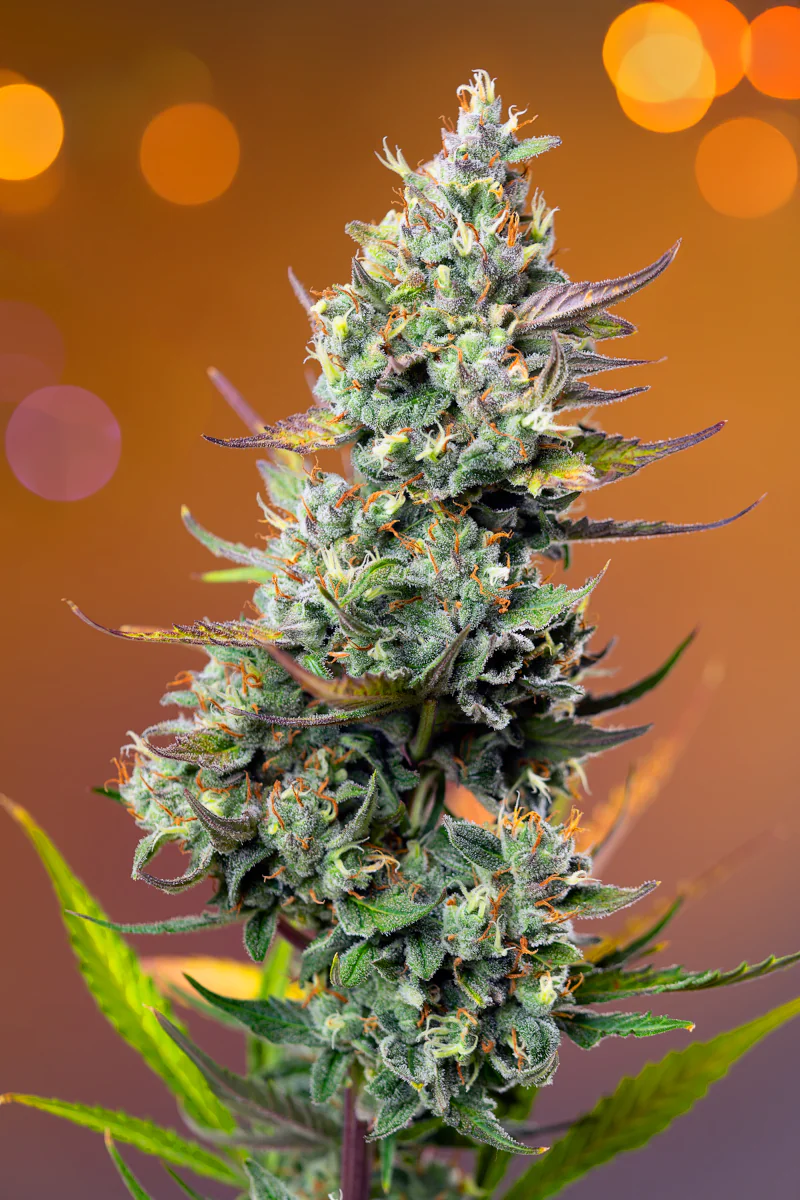
The first line of defense is the use of quality seeds from reputable banks, such as Sweet Seeds®, which ensure a low predisposition to sex change.
If you work with clones, it is advisable to carry out some previous grows to understand the behavior of the genetics under different fertilization treatments, how it handles stress caused by environmental factors, and study its response. Once its stability is assured, it becomes viable to replicate it through clones, with the assurance of obtaining harvests of 100% female plants.
It is essential to control the environment strictly, avoiding light stress due to incorrect schedule changes and respecting its cycle of darkness without interruptions. It is also quite important to keep the temperature and humidity within the ideal parameters and to provide a balanced and precise nutrient regimen. Keep in mind that whenever plants are not within their optimal growing parameters, they will have a greater chance of reversing sex.
Finally, it is advisable to avoid unnecessary or untimely pruning, maintain an adequate watering cycle (to avoid stress), and refrain from using highly aggressive pesticides. And above all, it is mandatory to monitor the plants daily to detect any symptoms of sex reversal.
Optimal Growing of Sweet Seeds® Seeds to Prevent Sex Modification
The work of Sweet Seeds®’ R&D department consists of registering any genetic trait, positive and negative, to identify markers associated with sexual stability and thus select the best strains that are suitable for producing stable offspring free of hermaphroditism. After many tests, the crosses are made that give life to the seeds each season.
We invite you to discover the wide range of Sweet Seeds® seeds and enjoy the very high quality of feminized autoflowering and photoperiod-dependent seeds.
Sweet Seeds S.L. is not responsible for any misuse of the information provided in this article. Growing Cannabis may constitute a criminal offense or administrative infraction; please check the Cannabis legislation applicable in your place of residence. Sweet Seeds S.L. does not, under any circumstances, intend to promote illegal practices.

Deputy Director of the Content and Image Department at Sweet Seeds®.
Articles by Jaypp (see all)
- How to Use Bat Guano in Cannabis Cultivation - 25 de February de 2026
- Growing Marijuana Indoors with LED Lights - 26 de September de 2025
- Differences Between Cannabis Indica and Cannabis Sativa - 26 de September de 2025