
Cart
There are no more items in your cart



Cannabis Tincture: How to Make It & Why You Should Use It
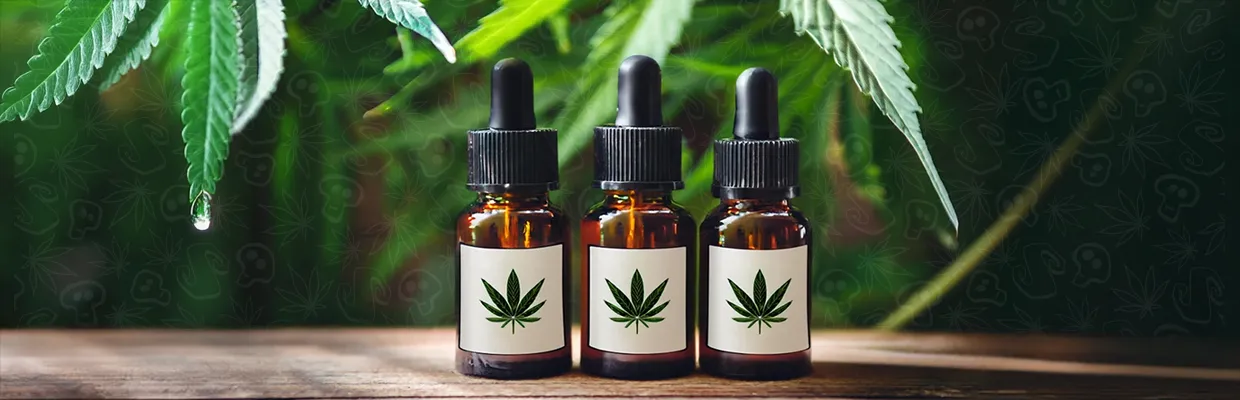
Would you like to learn a very useful technique to give another use to your harvest and trimming leftovers?
In this article, we will guide you step by step so you can learn how to make marijuana tincture, what benefits it has, and how to choose the best cannabis to achieve a high-quality tincture.
In addition, this technique works for flowers with either THC or CBD, so let’s get started.
What Is Marijuana Tincture?
Marijuana tinctures were included in the United States Pharmacopeia back in 1942, and doctors prescribed them to patients suffering from migraines and insomnia. Later, dark times came for our beloved plant, and prohibition forced many studies to stop, with many of them having to be carried out clandestinely, while the plant itself became increasingly demonized.
Fortunately, many countries have removed legal restrictions on cannabis, and we can now see many studies led by universities and scientists that support the medicinal properties of marijuana.
Marijuana tincture is a highly concentrated liquid cannabis extract. To obtain it, the cannabinoids it contains (THC, CBD, etc.) and its terpenes must be dissolved in a solvent, usually high-proof alcohol (up to 95%), vegetable glycerin, or vegetable oils.
It is ideal for treating different ailments and clinical cases because of its easier dosing and rapid absorption.
Marijuana Tincture: What Is It Used For?
Marijuana tincture has many properties and is commonly associated with:
- Pain relief, especially neuropathic pain, migraines, and muscle pain or fatigue, thanks to the strong analgesic effects of THC and CBD.
- Anti-inflammatory effects, thanks to the action of CBD, which may help in cases of Crohn’s disease or rheumatoid arthritis.
- Anxiolytic effects, thanks to CBD and its use in microdoses, which may help regulate the nervous system and induce states of relaxation without causing noticeable psychoactive effects.
- Stress and insomnia relief, thanks to its strong relaxing capacity.
- Relief from nausea and appetite stimulation, helping in cases of eating disorders or in treatments for patients who have received chemotherapy.
Materials Needed to Make Marijuana Tincture
If you are encouraged to prepare it, here is a short guide to the process and the materials needed to make your own marijuana tincture at home.
Recommended Marijuana Strains
It is obvious to begin by looking for cultivars with or without THC, since this is the cannabinoid capable of modulating and causing psychoactive states. If you do not want to feel psychoactive effects, we recommend looking for cultivars high in CBD and low in THC. At Sweet Seeds®, we offer autoflowering strains high in CBD, with different THC levels, and one photoperiod-dependent strain with a THC level below 1%: Sweet Pure CBD® (SWS65).
If you want to benefit from the rest of the cannabinoids, including THC, the ideal approach is to think about the type of effect you are looking for. If you choose Indica strains, the effect will be more relaxing. One of the favorites is our Cream Caramel® (SWS04). For effects that may help more with mood and depression, it is better to use a more Sativa-type strain, such as Jack 47® (SWS08) or Sweet Amnesia Haze® (SWS72).
Keep in mind that, because of the entourage effect, terpenes also help define the type of effect and provide different benefits, just as anthocyanins do with their ability to reduce cell oxidation. In this case, our recommendation is the strains in our The Red Family collection.
Other Materials Needed
Once you have obtained good-quality buds from the strain you like most, you will need jars, dark or opaque if possible, high-purity alcohol such as food-grade ethanol (not the kind used for disinfection, since it is poisonous), or vegetable oil if you do not want to use alcohol.
You will also need filters, such as coffee filters, to strain the maceration. A funnel can help when transferring it to the final container. It is also wise to use gloves and protective glasses for your safety.
Optional: a dropper or syringe for more accurate dosing, a scale to measure proportions, and a kitchen thermometer to monitor the decarboxylation process.
How to Make Marijuana Tincture: The Step-by-Step Process
Now that you have the materials, it is time to learn the full process for how to make marijuana tincture.
Step 1: Decarboxylating the Marijuana
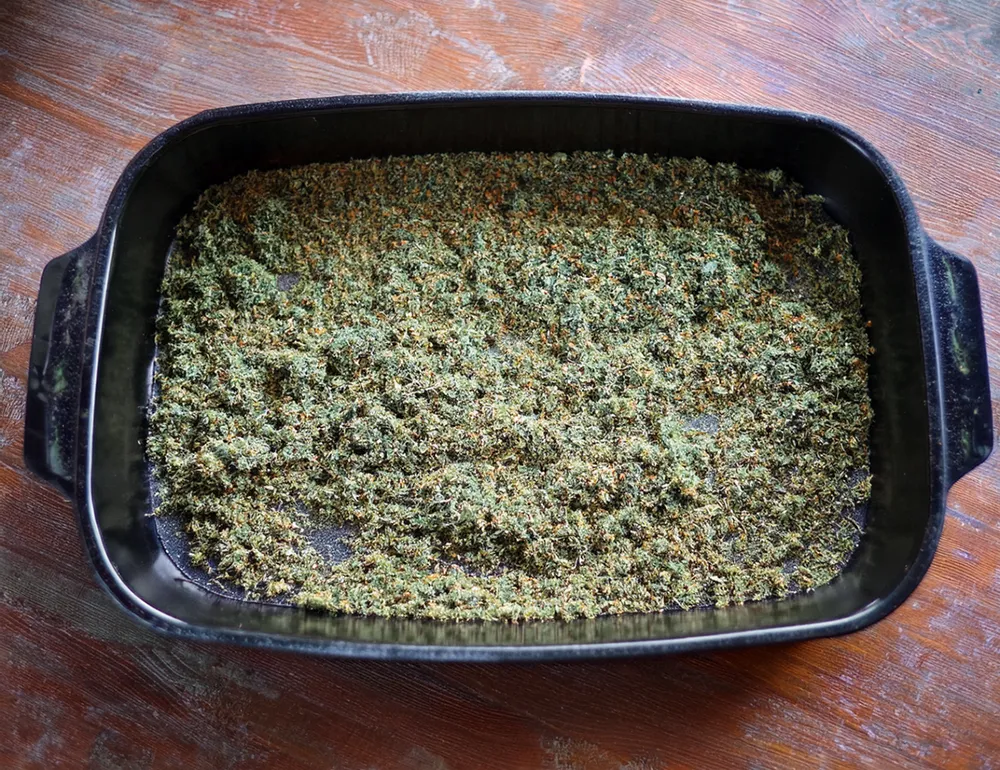
This step is important because cannabinoids are activated by heat. To do this, grind or chop the herb and spread it out on a baking tray. Bake for 30–40 minutes at a temperature of 110 °C, and that is it.
Step 2: Choosing the Right Solvent
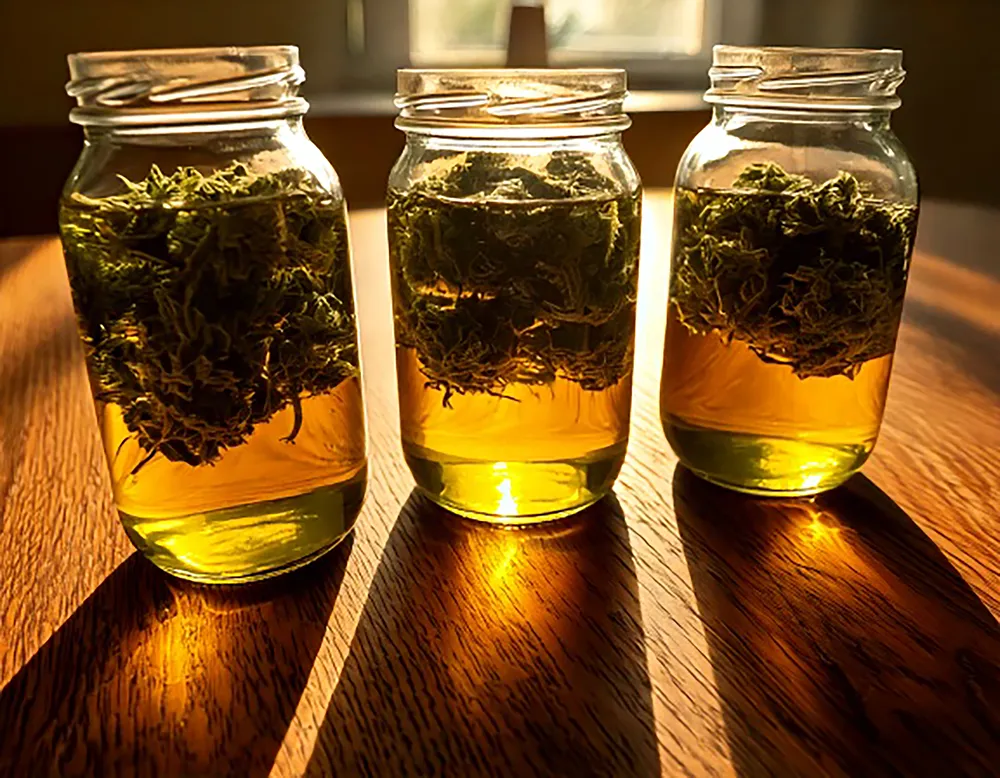
Choose food-grade ethanol alcohol or a very high-proof liquor with hardly any flavor. If you want to avoid using alcohol, try a vegetable oil such as hemp oil or olive oil, for example.
Step 3: The Maceration Process
Once you have the decarboxylated herb, place it in the solvent and let it macerate with the lid closed for at least 2 or 3 weeks in a dark, cool, and dry place. It is a good idea to shake it regularly to help with dispersion.
Step 4: Filtering and Storing the Tincture
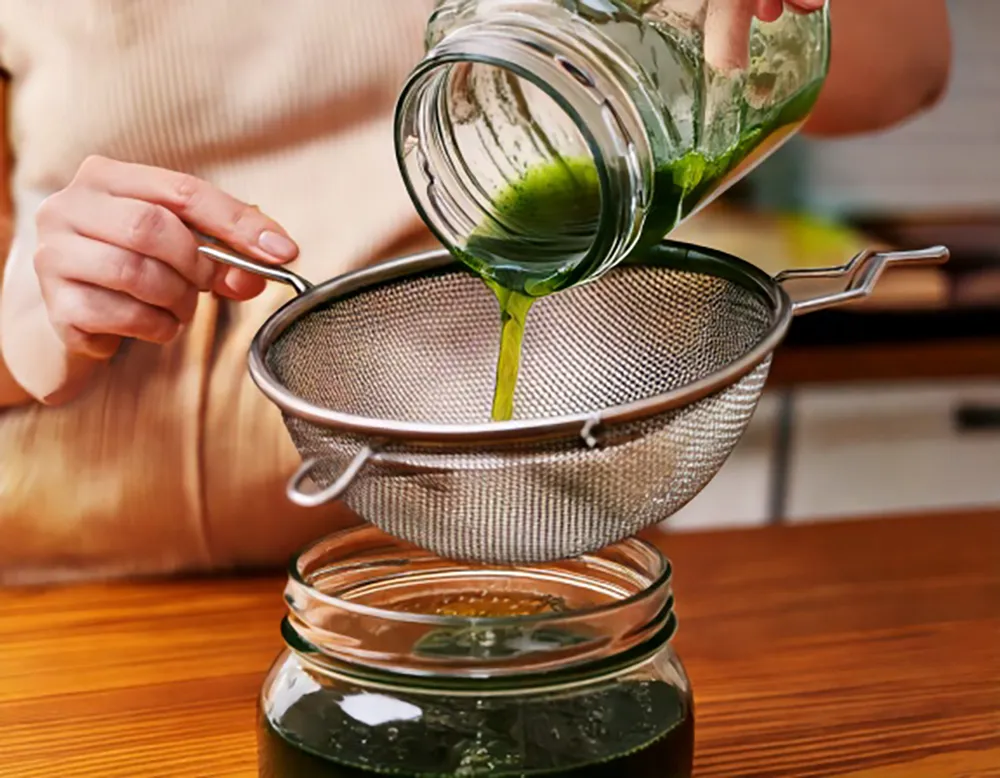
Once the time has passed, you must separate the solids using a filter such as a coffee filter, for example. Then bottle it in dropper jars and store them in a dark, cool place.
In tinctures made with alcohol, it is possible to evaporate part of the alcohol to concentrate the tincture.
Why Choose Sweet Seeds® Marijuana Seeds for Making Tincture?
It is worth emphasizing that choosing high-quality seeds is very important when making marijuana tincture.
Poor genetics can ruin the process or lead to results that fall short of expectations. Our recommendation is to trust seed banks with a solid reputation and a proven track record. Research teams at seed banks such as Sweet Seeds® can help you find the best strains for this purpose.
How Sweet Seeds® Can Help You Find the Best Seeds
On our website, you will find a wide range of cultivars categorized according to their main characteristics.
For your cannabis tincture recipe, you can use either autoflowering plants, which are faster and more discreet. If you prefer plants that you can keep as mother plants for future clones, we also have a wide selection of photoperiod-dependent strains with unique characteristics that make them special, such as the F1 Fast Version® strains.
Among all of them, you can enjoy classic strains or more modern genetics from the USA, with a wide range of THC or CBD percentages. The terpene spectrum is very broad, and in all of them we can ensure good yields, excellent quality, and plenty of resin in their flowers.
If you also want to enjoy the beauty of our The Red Family collection, the benefit is even greater thanks to its high anthocyanin content.
In addition, the specifications for each strain include the levels of the main cannabinoids, the types of aromas and flavors they produce, and the type of seed, along with the Indica and Sativa percentages of each one.
Lastly, we also offer a selection of strains with high CBD content.
Tips for a High-Quality Marijuana Tincture
To make sure your tincture is the best quality possible, we offer you some practical advice on how to improve both the process and the results. These tips will help whether you are following a basic cannabis tincture recipe or learning how to make marijuana tincture with more precision.
The Importance of Marijuana Quality
We want to stress that, for this process to be successful, the most important factor is the quality of the marijuana you are going to use. Avoid using buds that look bad or seem suspicious of containing fungal spores such as Botrytis or powdery mildew, among others. You should also avoid using old marijuana, since it will have lost a large part of its cannabinoids and terpenes.
Do not make it with buds that have hardly any resin or trim leftovers without trichomes, since they will only dirty the tincture and greatly reduce the final quality. Use leaves and buds that contain enough resin to ensure a good concentration of cannabinoids.
Organically grown marijuana usually contains a higher quantity of terpenes, in addition to being more natural and safer for consumption. Marijuana grown with mineral fertilizers, where the excess fertilizer has not been properly flushed out at the end of the growing cycle, may contain heavy metals and toxic residues.
Time and Temperature During Maceration
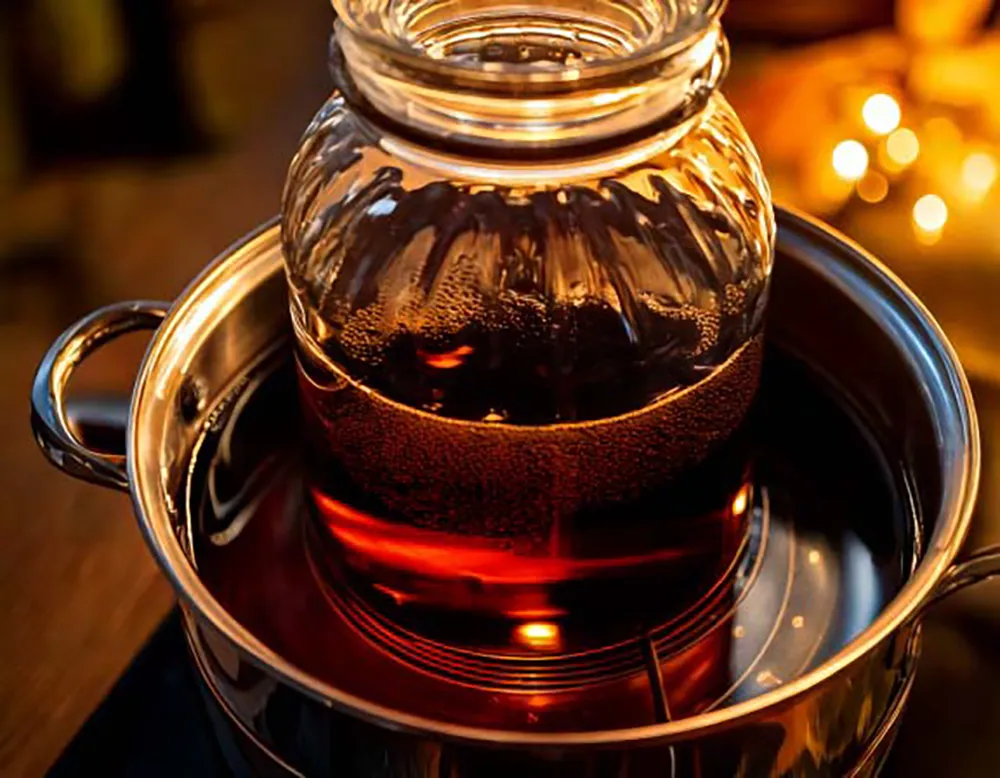
Using a temperature higher than the recommended 110 °C could reduce the amount of cannabinoids due to their evaporation. On the other hand, if the temperature does not exceed 100–110 °C, it may be insufficient, and the cannabinoids may remain in their acidic form and therefore not be available to produce their effect on the human body.
What Should You Keep in Mind Before Using Your Marijuana Tincture?
Before using your marijuana tincture, it is important to understand some key points about dosage and possible side effects. In this section, we will give you all the information you need to enjoy its benefits with the lowest possible risk. Understanding dosage is essential, no matter your interest in a cannabis tincture recipe, how to make marijuana tincture, or the different marijuana tincture uses.
How to Dose Marijuana Tincture
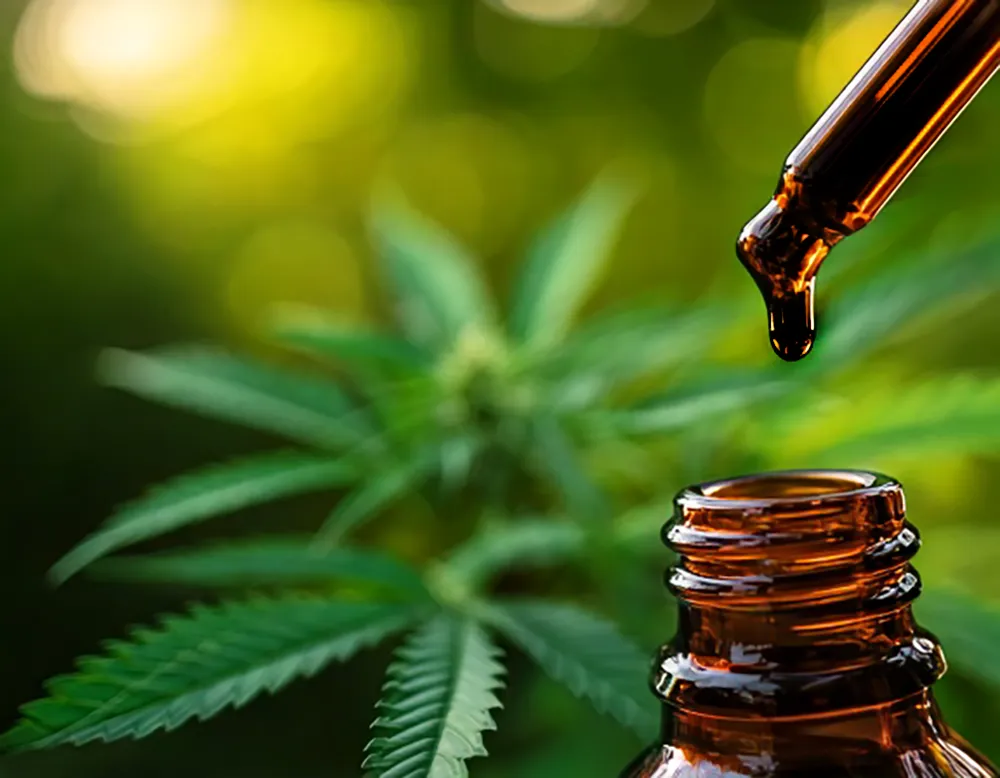
Not all marijuana tinctures have the same composition. It is especially difficult to know their potency and qualities if they have been made at home, since it is hard to know the exact amount and percentage of cannabinoids both in the plant material used and in the final concentrate. Testing can be carried out, but this is not common in home use and is usually reserved for professionals who make these kinds of products for sale.
These commercial products are standardized and guarantee greater safety and quality, but that does not mean homemade marijuana tinctures are any less interesting. You just have to be more cautious, test their effects with small doses, and increase gradually if desired.
Marijuana tincture is very discreet and safer for the consumer, who does not need to inhale smoke, for example. It preserves its properties very well if stored in dark containers that do not let light through and kept in cool places. Its dosing is precise, and it is possible to adjust the dose down to the milligram using droppers. It is also convenient because of its rapid absorption when administered sublingually.
Precautions and Possible Side Effects
Marijuana tinctures can generate side effects depending on their composition, the THC/CBD ratio, the dose, and the sensitivity of each consumer.
As always, we recommend caution with their use, since THC can cause paranoia, anxiety, and panic attacks, among other effects. The difference compared to marijuana consumed in the form of a joint or a Dab lies in its concentration and the time it takes to take effect.
While smoked marijuana acts almost instantly and then lasts for a period of 1 to 2 hours, marijuana tincture can take up to almost an hour to take effect. That makes intoxication easier, provided it is a tincture containing THC, which is responsible for the psychoactive effect.
Remember, less is more. Start with low doses, 2 to 5 mg. Wait, assess the effects after some time, and adjust the dose gradually over the following days to avoid a bad trip.
Other side effects are those associated with THC, such as red eyes, a feeling of muscle relaxation, dizziness, dry mouth, inability to drive, and so on.
Visit Our Marijuana Seed Catalog at Sweet Seeds®
To close the article, we invite you to explore the Sweet Seeds® marijuana seed catalog, where you can find the most suitable strains for making your own tinctures and starting your next adventure.
We also encourage you to visit our blog, where you will find a wide range of articles with very valuable and up-to-date information.
Sweet Seeds S.L. is not responsible for any misuse of the information provided in this article. Growing Cannabis may constitute a criminal offense or administrative infraction; please check the Cannabis legislation applicable in your place of residence. Sweet Seeds S.L. does not, under any circumstances, intend to promote illegal practices.
Deputy Director of the Content and Image Department at Sweet Seeds®.
Articles by Jaypp (see all)
- How to Germinate Marijuana Seeds: Basic Guide - 8 de October de 2026
- How to Fertilize Your Cannabis Plants Easily - 16 de September de 2026
- CBD for Osteoarthritis: How Can It Help? - 16 de September de 2026