
Cart
There are no more items in your cart



Cannabis Perfumes: Capturing the Distinctive Scent of Marijuana
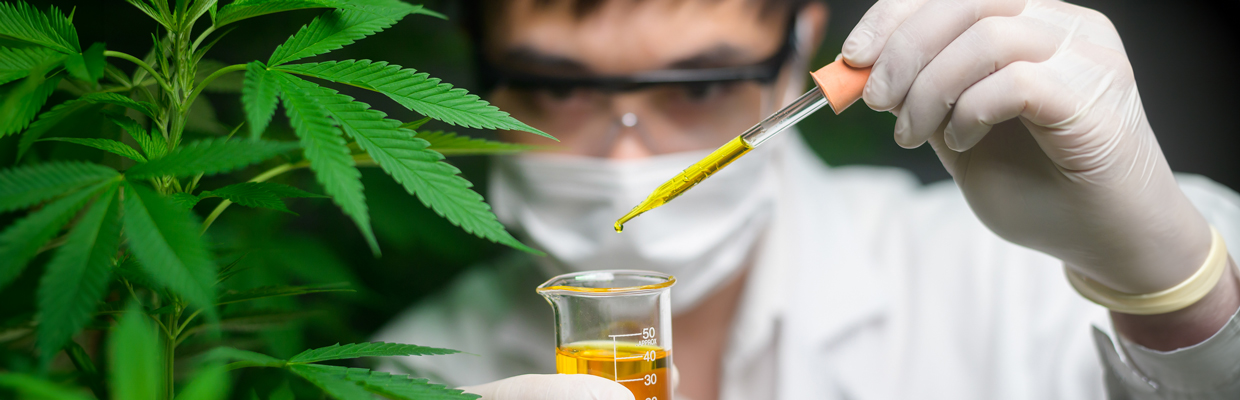
Every true cannabis enthusiast has, at some point, thought that the aroma released by cannabis would be ideal for creating a cannabis perfume. The uniqueness of the cannabis scent lies in the distinctive blend of terpenes that makes up the aromatic spectrum of its buds. Each bud offers an explosion of aromas and flavors that, together with its psychoactive effects, leads growers to prefer certain strains over others.
If you are interested in learning more about its potential in the cosmetics industry, or you want to become the “Jean-Baptiste Grenouille of cannabis” and create the most addictive cannabis-scented perfume, load your vaporizer and join us in this fascinating article, where we reveal all its secrets.
What Chemical Compounds Produce the Distinctive Aroma of Cannabis?
If you are not yet familiar with the chemical compounds that give your buds their aroma, here is a brief explanation. They are mainly terpenes. We say mainly because there are also esters, which can break down into carboxylic acids and alcohols through hydrolysis, as well as volatile sulfur compounds, which are responsible for the strong aroma typically associated with Skunk strains and ripe fruit.
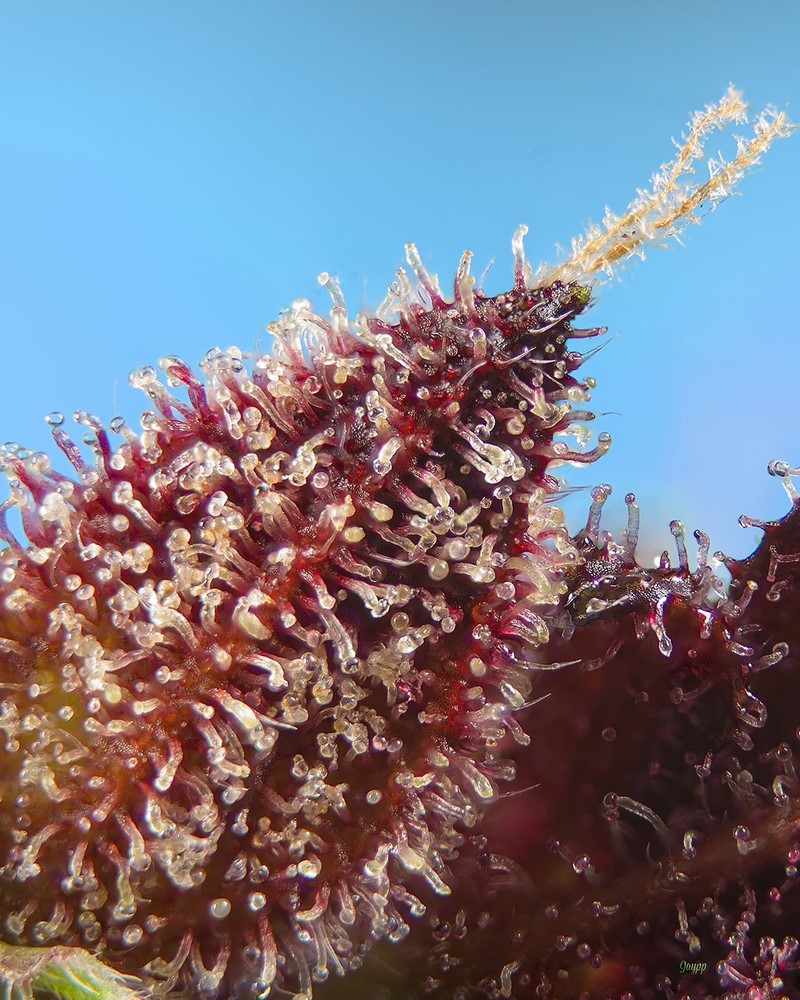
Terpenes are aromatic organic compounds that are abundant in nature and can be found in numerous plants and animals. In cannabis, they are found in the trichomes. They allow us to perceive its aromas and flavors and, following recent studies, researchers are also considering the possibility that they may help modulate the effects produced by cannabinoids in the human body. Therefore, the overall effect could depend on the distribution of these fascinating compounds.
This concept is not actually new. As early as 1999, Israeli scientist Raphael Mechoulam, who was also the first to isolate THC, discussed the entourage effect. This theory proposes that the effects of cannabis are enhanced and modulated by the combination of all its components, including terpenes, which work together rather than in isolation.
More than 30,000 terpenes can be found in nature. They are chemically classified according to the number of isoprene units they contain: monoterpenes, sesquiterpenes, diterpenes, triterpenes, and so on. In cannabis, they mainly belong to the first two groups, and more than 150 different terpenes may be present.
Let us take a look at the main terpenes found in different cannabis strains, along with their most notable properties and uses.
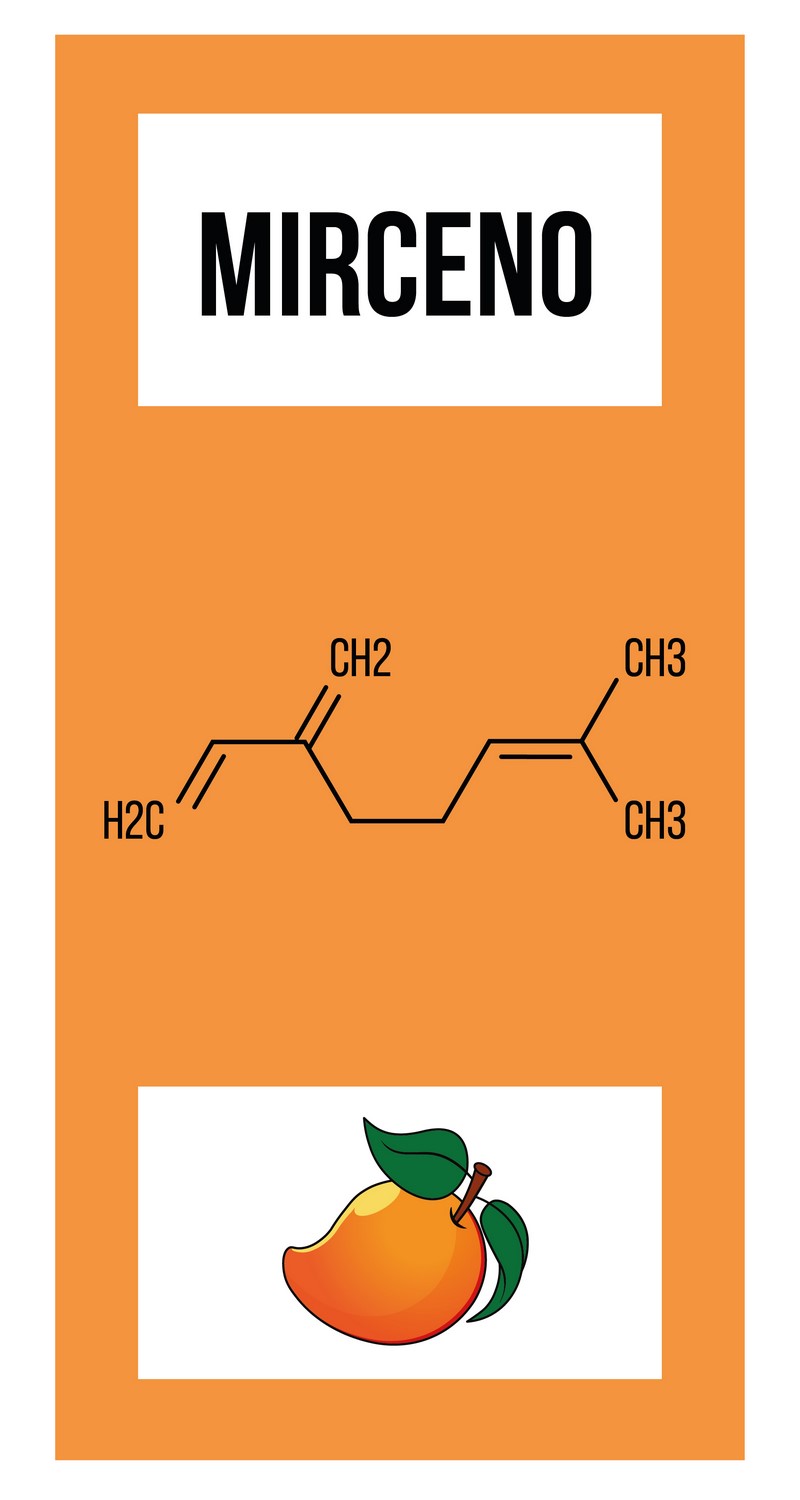
Myrcene
Without a doubt, myrcene is the most common terpene in cannabis. It is also readily found in plants such as thyme, bay leaves, and hops. It has an earthy aroma with spicy, musky notes. Its boiling point is approximately 166 °C.
The therapeutic properties attributed to myrcene include anti-inflammatory, analgesic, and antibacterial effects, as well as the ability to help promote sleep.
It can be clearly detected in strains such as S.A.D. Sweet Afgani Delicious S1® (SWS02) and Papaya Zoap Auto® (SWS107).
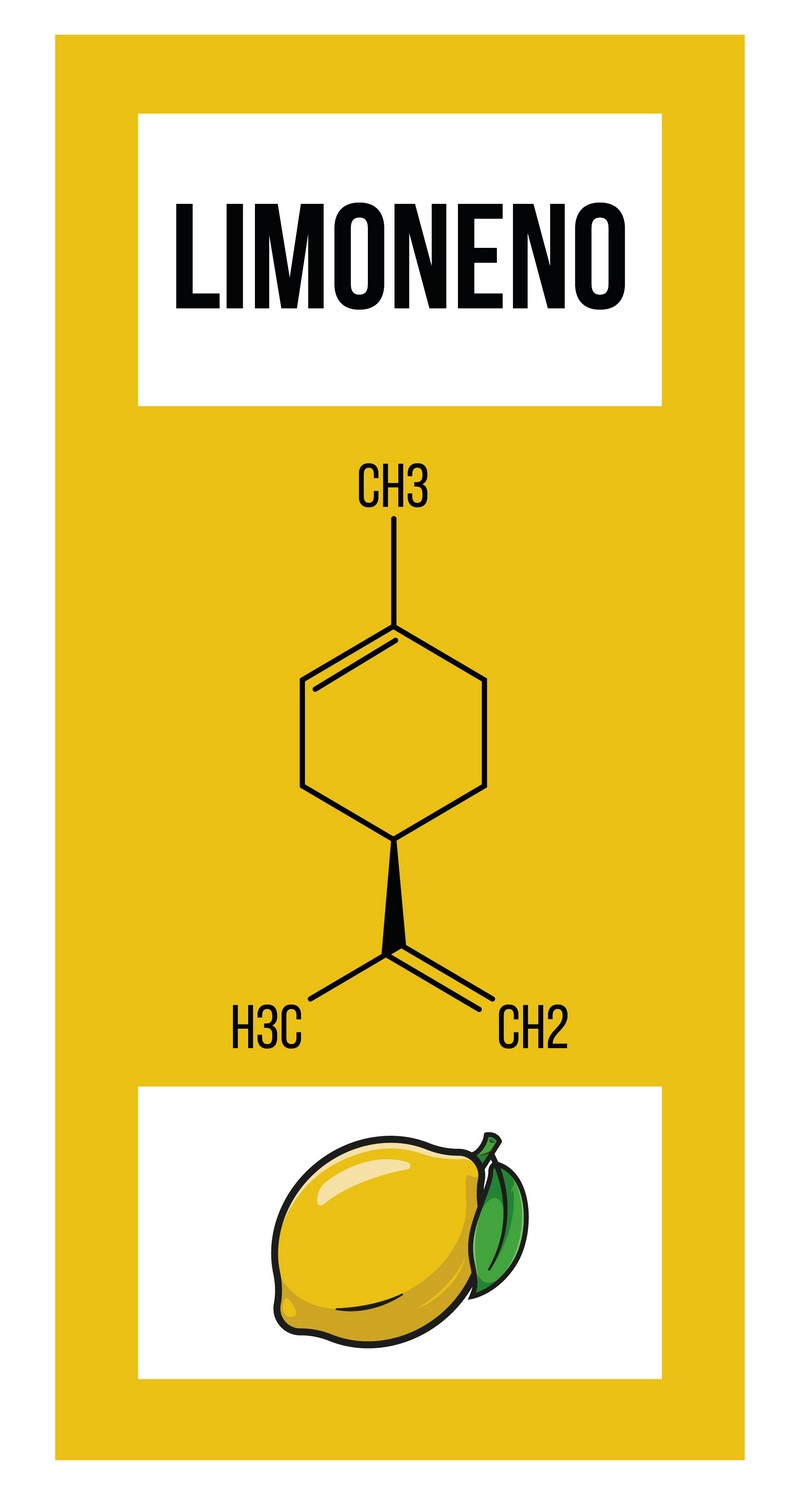
Limonene
Limonene is a monoterpene that stands out as one of the most volatile terpenes, meaning that it reaches our noses very quickly with its unmistakable fresh citrus aroma. It can be found in citrus fruits, mint, and rosemary.
As its name suggests, its aroma resembles that of lemons and oranges. It can be found in strains such as San Fernando Lemon Kush® (SWS62), Red Mimosa XL Auto® (SWS104), and Red Mandarine F1 Fast Version® (SWS79).
Antidepressant, anxiolytic, antibacterial, and anticancer properties have been attributed to limonene.
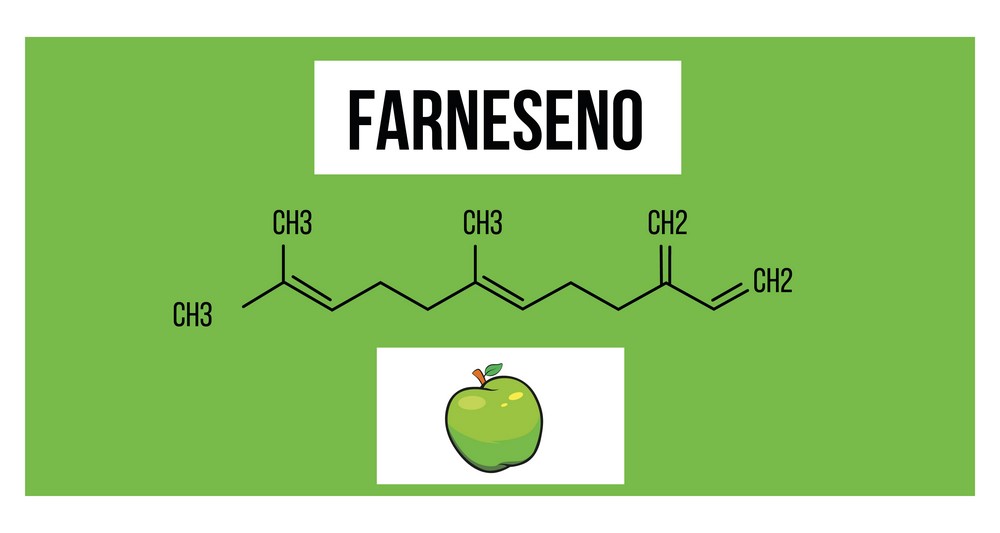
Farnesene
Farnesene is commonly found in green apples, ginger, and sandalwood. It has a very sweet and fruity aroma that is used in the cosmetics industry due to its distinctive scent, while also serving as a mosquito repellent. It is also known for its anti-inflammatory, antimicrobial, and sedative properties.
Among our strains, it can easily be found in varieties such as Crystal Candy® (SWS58), Gorilla Girl F1 Fast Version® (SWS86), and Runtz XL Auto® (SWS88).
There are many other terpenes commonly found in the buds of cannabis strains, including eucalyptol, caryophyllene, linalool, pinene, and humulene.
Use of Cannabis in Perfume Throughout History
Looking back to prehistoric times, humans used to burn wood, spices, and fruit to honor the dead or feel closer to their gods. Little by little, they became more skilled at blending ingredients, giving rise to the use of the word perfume, from the Latin per fumum.
Later, in Mesopotamia, around 1800 BC, stills were known to be used to extract essential oils through distillation. Archaeologists have also found stills in the area of present-day Iraq dating back to around 3500 BC. However, the use of cannabis to create cannabis perfume is relatively modern. There is no evidence confirming that our ancestors used cannabis in this way.
On the other hand, following the legalization and growing acceptance of marijuana in many countries, some brands have begun formulating perfumes that incorporate cannabis. This has led to the launch of new fragrances that capitalize on this trend to create more innovative and appealing products for bolder consumers or those with a particular interest in cannabis culture and everything surrounding it.
Aroma Extraction Process for Cannabis Perfumes
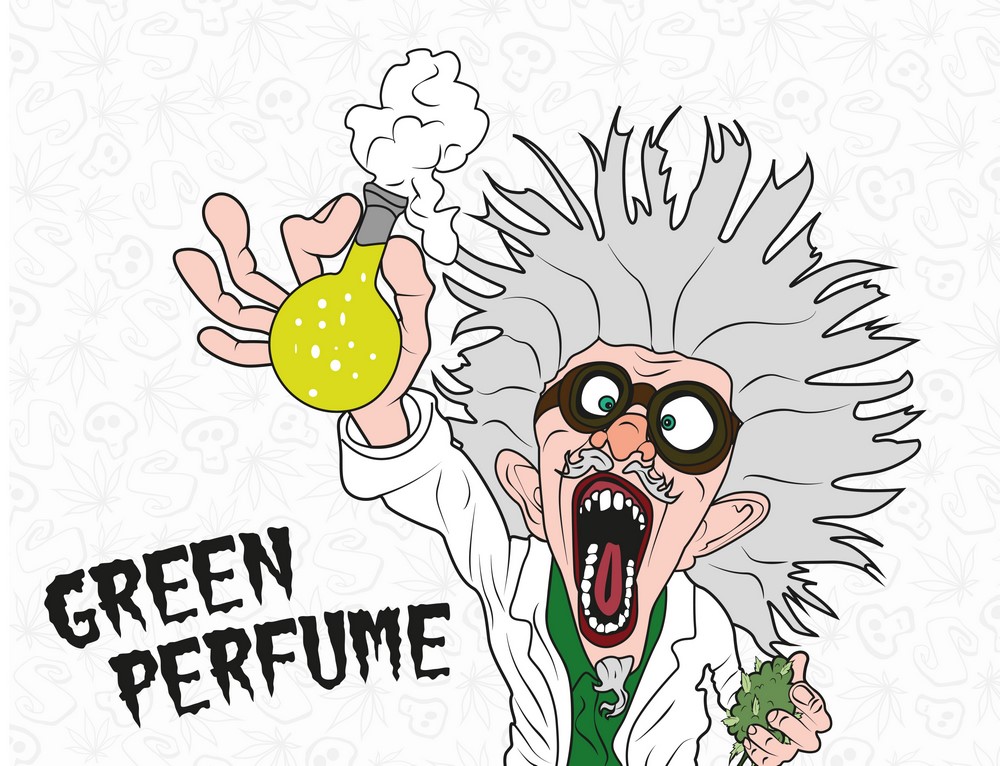
The most common traditional technique for extracting these volatile compounds, which are found in essential oils and create the aromas of cannabis perfume, is steam distillation.
To make cannabis perfume, the aromatic compounds must be extracted from the flowers, where most of the trichomes are found and where their aromas and cannabinoids are stored.
To extract the aromatic compounds through steam distillation, steam is passed through the flowers, causing the volatile compounds to vaporize. The vapors are then condensed, and the essential oil is separated from the resulting aromatic water.
After these essential oils have been obtained, they are stored for later use in the production of cannabis perfume or different cannabis-scented lotions.
In countries where cannabis use is prohibited, the plant itself is not used. Instead, the aromas are chemically recreated to match the terpene profile of each strain as closely as possible.
Supercritical CO₂ Extraction
There is a more modern method that helps preserve the organoleptic properties of these oils while also improving their stability and aromatic intensity. This is known as supercritical CO₂ extraction, which minimizes product degradation while making the extraction process much faster and more efficient.
Supercritical fluids behave very similarly to gases and are excellent solvents. The most widely used in the food industry is carbon dioxide (CO₂), as it has a very low critical temperature, is nontoxic, and is relatively inexpensive.
The technique consists of passing CO₂ through the buds to dissolve the oils. Once the oils have been carried away, the solvent is removed without the need for washing or distillation, leaving the final product intact.
The solvent is also recovered through recirculation, making the process sustainable. It can be considered one of the most environmentally friendly solvents and one of the most readily available in nature. Unfortunately, this technique is not accessible to everyone because of its high cost and is therefore mainly used by professional laboratories.
Cannabis and Aromatherapy
During the 1970s, a new trend emerged around concepts such as “Mind, Body, and Spirit,” influenced partly by ideas related to esotericism, shamanism, and witchcraft. This movement included practices such as yoga, meditation, and aromatherapy, among others. We are referring to the New Age movement.
As mentioned at the beginning, aromas were already used in ancient times to accompany events such as mystical or funerary ceremonies, or to induce feelings of relaxation and pleasure. Although this modern reinterpretation may have somewhat distorted the original purpose of these ancient practices, it also brought them closer to the Western world, while studies supporting their potential benefits gradually began to emerge.
When we smell something, a part of our brain is activated that makes us experience emotions. Sometimes, scents take us back to the past, improve our perception of everyday life, or fill us with a strange feeling of mental peace. The use of cannabis in the creation of marijuana perfume takes advantage of this mental connection through the limbic system, while also allowing us to benefit from properties that may have therapeutic and calming effects, help us sleep, relieve pain, or improve our mood, among many others.
Cannabis aromatherapy is a minimally invasive practice with multiple potential benefits that can be enjoyed without experiencing the psychoactive effects of cannabis.
The Role of Cannabis in the Artistic Creation of Fragrances
As the social stigma that surrounded cannabis in previous years has gradually faded, pharmaceutical companies, artists, and creators have begun using it more openly. As a result, it is becoming increasingly easy to find cannabis-based products on the shelves of many cosmetics stores.
When a perfumer works on a cannabis-scented perfume, they still follow the classic structure that gives life to fragrances: top notes, which are fresher and more volatile; middle notes, which are usually floral and spicy; and finally, base notes, which provide the main body of the fragrance and last the longest, often featuring woody aromas.
Creating cannabis perfumes requires knowledge, but also a certain degree of ingenuity, since not everyone is willing to walk around smelling like Haze, whether on the street or at the office. For this reason, creators blend and combine multiple aromas, including floral, herbal, and fruity notes, to produce a new and appealing product for a wider audience while also incorporating the benefits associated with cannabis.
Current Trends in Cannabis Perfumes
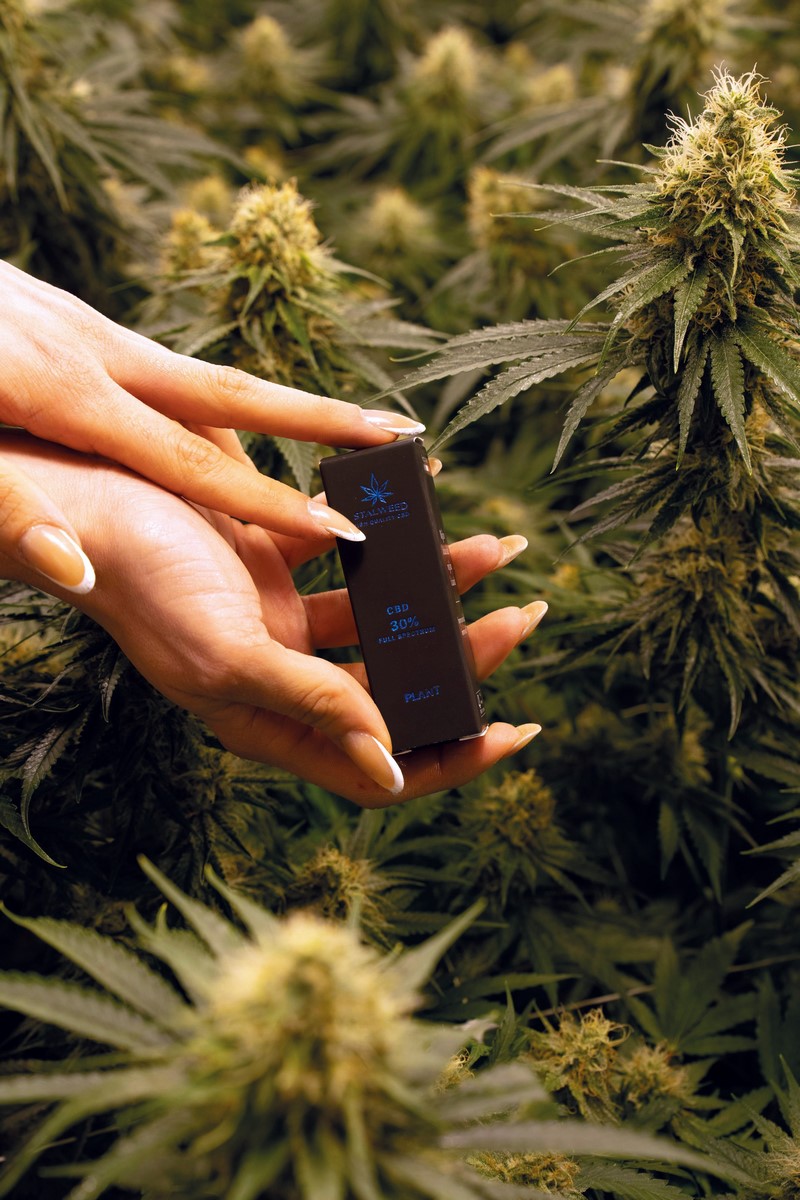
One of the pioneers was Mark Crames, CEO of Demeter Fragrance Library, who launched Cannabis Flower in 2006, featuring subtle skunky notes. It remains one of the brand’s best-selling perfumes, particularly among younger consumers.
More recently, the cannabis perfume Dirty Grass (€165) was launched. Its formulation also contains CBD oil, and its creator, Douglas Little, a perfumer at Heretic Parfum, claims that inhaling the fragrance allows the cannabinoid to enter the bloodstream.
Other well-known names include Chronic, by the Swedish brand 19-69; Replica (Music Festival), by Maison Margiela; and Cannabis Eau de Parfum, by Malin + Goetz, all priced above €100.
Fragrance du Bois’ Cannabis Blue stands out as the most expensive, with a price of €295 for 100 ml of its fragrance.
Cannabis-containing perfumes can also be found among brands such as Carolina Herrera and Balenciaga, for example.
Sweet Seeds® and Cannabis Fragrances
After reading this article about cannabis perfume, you may start using different terms to describe the aromas you notice during each cannabis tasting. After all, cannabis enthusiasts are passionate about learning as much as possible about everything surrounding their favorite plant. There is more to life than growing alone!
At Sweet Seeds®, we offer a wide variety of strains with high terpene levels and exceptional aromatic quality. Strains such as Psicodelicia® (SWS07) and Tropicanna Poison F1 Fast Version® (SWS85) are ideal for body lotions or daytime perfumes due to their fresher notes, while others such as Orange Apricot Glue XL Auto® (SWS103) and S.A.D. Sweet Afgani Delicious S1® are favorites for creating cannabis perfumes with a more intense character.
We encourage you to explore our catalog in search of your ideal strain. Unleash your creative side and start making cannabis perfumes that help you stand out from the crowd.
Sweet Seeds S.L. is not responsible for any misuse of the information provided in this article. Growing Cannabis may constitute a criminal offense or administrative infraction; please check the Cannabis legislation applicable in your place of residence. Sweet Seeds S.L. does not, under any circumstances, intend to promote illegal practices.
Deputy Director of the Content and Image Department at Sweet Seeds®.
Articles by Jaypp (see all)
- How to Germinate Marijuana Seeds: Basic Guide - 8 de October de 2026
- How to Fertilize Your Cannabis Plants Easily - 16 de September de 2026
- CBD for Osteoarthritis: How Can It Help? - 16 de September de 2026