
Cart
There are no more items in your cart



CBD for Osteoarthritis: How Can It Help?
Osteoarthritis is one of the most common joint diseases in the world, especially affecting people over 50, although it can appear at younger ages. This chronic condition causes pain, stiffness, inflammation, and a significant loss of mobility. With no definitive cure and given the side effects associated with long-term use of conventional anti-inflammatory drugs and painkillers, more and more people are seeking natural and effective alternatives. In this context, CBD for osteoarthritis has gained particular relevance as a complementary treatment.
At Sweet Seeds®, you can find CBD seeds specially selected for their high cannabidiol content and low THC content. These strains are ideal for those looking for plants for therapeutic purposes, providing a natural, safe, and high-quality product.
What Is Osteoarthritis and How Does It Affect Health?
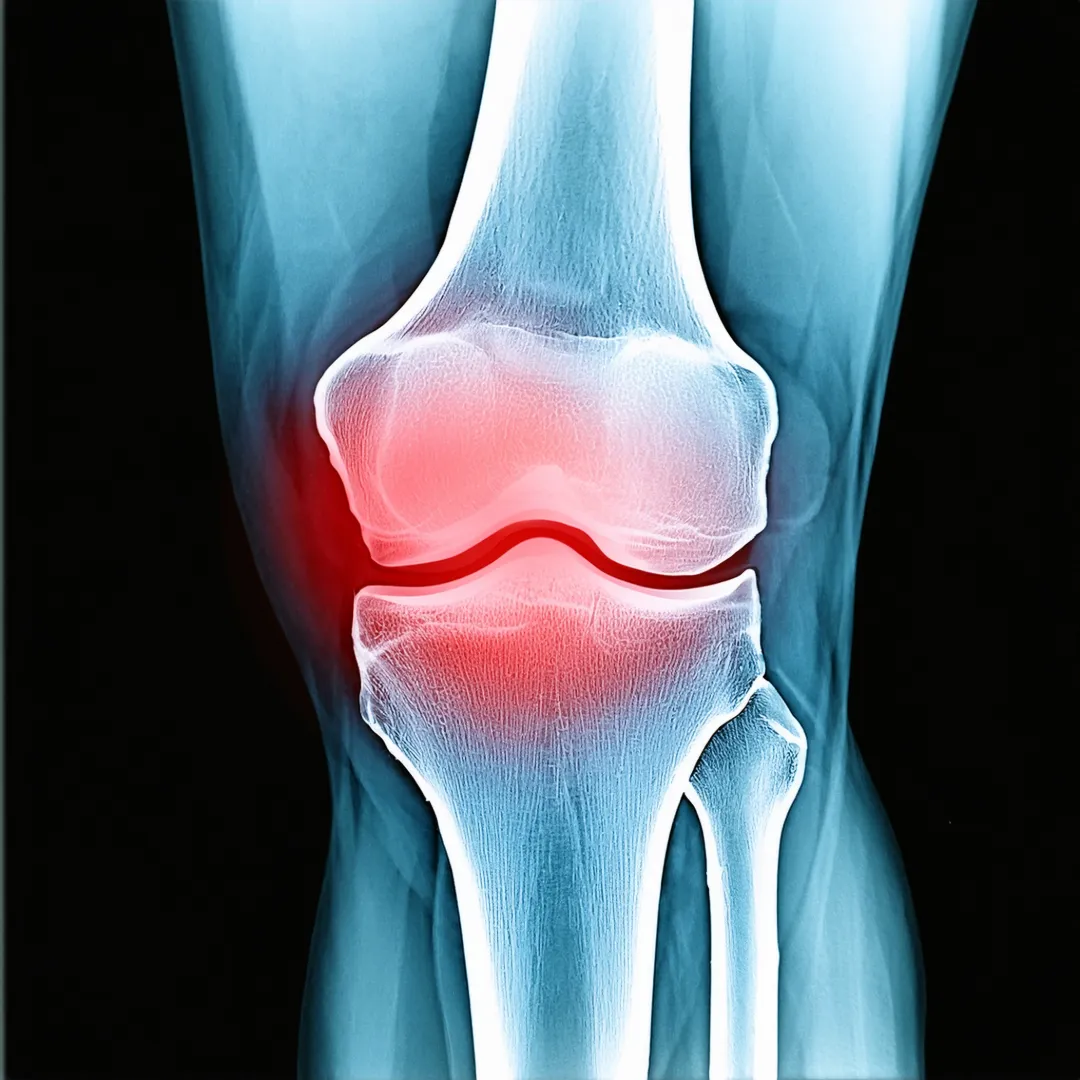
Osteoarthritis is a degenerative joint disease that occurs when cartilage—the tissue that cushions the ends of bones—wears down over time. This deterioration causes the bones to rub against each other, resulting in pain, swelling, stiffness, and, in more advanced cases, joint deformity.
It is a chronic disease, which progresses slowly but can have significant consequences for quality of life. The joints most commonly affected are those in the hands, knees, hips, and spine. Although its progression varies from patient to patient, in many cases it eventually limits personal independence, making everyday activities such as walking, writing, or getting dressed more difficult.
The need for alternative treatments such as CBD for osteoarthritis arises precisely from the functional and emotional impact this condition has on those who suffer from it. Conventional medicine offers limited options that often focus on pain management without addressing the underlying causes or stopping the progression of joint deterioration.
Causes and Risk Factors of Osteoarthritis
Osteoarthritis can have multiple causes, although in most cases it results from a combination of factors. Some of the most common include:
- Aging
- Genetic predisposition
- Overweight and obesity
- Previous joint injuries
- Joint overuse
- Biomechanical abnormalities
Most Common Symptoms of Osteoarthritis
The symptoms of osteoarthritis usually develop progressively and manifest differently in each person. The most common include:
- Persistent joint pain
- Morning stiffness
- Loss of flexibility
- Inflammation and tenderness
- Cracking or popping sounds
- Joint deformity
What Is CBD and How Does It Work in the Body?
CBD (cannabidiol) is one of more than 100 phytocannabinoids found in the cannabis plant. Unlike THC (tetrahydrocannabinol), CBD does not produce psychoactive effects, making it a safe and legal option for the treatment of various disorders, including inflammatory and neurodegenerative diseases.
Extracted mainly from hemp varieties rich in cannabidiol and with minimal THC content, CBD has been widely studied for its ability to interact with the human endocannabinoid system. This system regulates fundamental functions such as pain perception, appetite, sleep, the immune system, and the body’s overall balance (homeostasis).
The Endocannabinoid System and Its Relationship with Pain
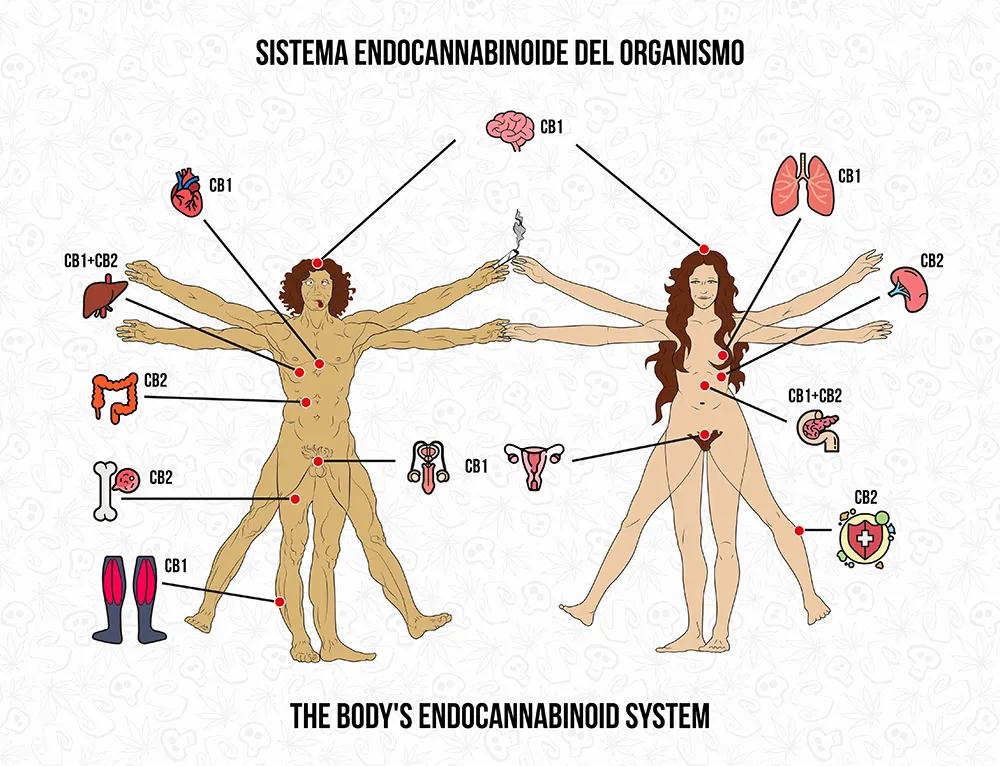
The endocannabinoid system (ECS) consists of a network of cellular receptors (CB1 and CB2), natural endocannabinoids produced by the body, and enzymes that regulate their synthesis and breakdown.
CBD does not bind directly to CB1 or CB2 receptors the way THC does; instead, it modulates their activity and stimulates the production of the body’s own endocannabinoids, such as anandamide, which has anti-inflammatory and analgesic effects. It also interacts with other receptors involved in pain and inflammation signaling, such as the TRPV1 receptor (also known as the capsaicin receptor).
These interactions explain why CBD for osteoarthritis may be effective in reducing chronic pain and joint inflammation, offering a safer therapeutic approach with fewer side effects than many conventional medications.
Differences Between CBD and THC
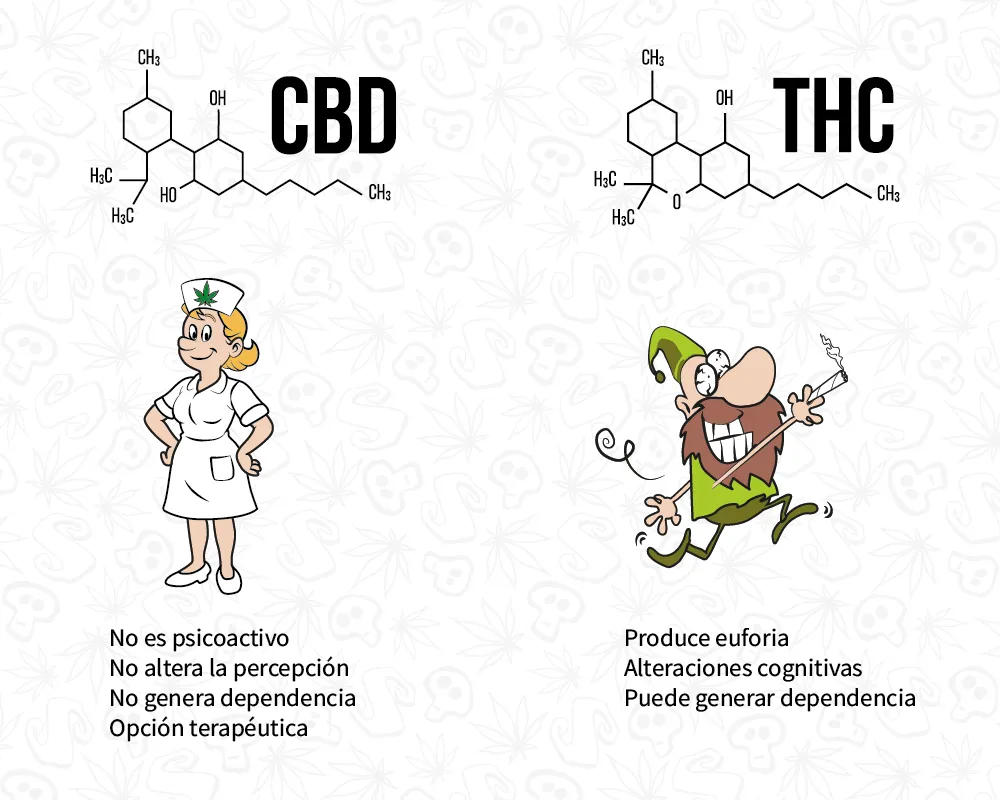
Although both compounds come from the cannabis plant, CBD and THC have very different properties:
- THC (tetrahydrocannabinol): It is the main psychoactive component of cannabis. It produces euphoria and cognitive changes and may cause dependence in some cases.
- CBD (cannabidiol): It is not psychoactive, does not alter perception, and does not cause dependence. It has anxiolytic, anti-inflammatory, neuroprotective, and analgesic properties, making it a very promising therapeutic option.
For this reason, when discussing natural treatments for osteoarthritis, CBD is presented as the best alternative within medical cannabis, without the adverse effects associated with recreational THC use.
CBD for Osteoarthritis: How Can It Help?
The use of CBD for osteoarthritis is based on three main pillars: anti-inflammatory properties, analgesic effects, and improved mobility through muscle relaxation.
Anti-Inflammatory Properties of CBD
Numerous preclinical studies show that CBD used for osteoarthritis reduces inflammatory markers in animal models of arthritis. In one study in mice, topical administration of CBD significantly reduced the production of pro-inflammatory cytokines such as IL-6 and TNF-α, while increasing IL-10, an anti-inflammatory cytokine. Liposomal CBD showed efficacy even at lower doses (20 mg/day), suggesting a promising approach for localized treatments.
Analgesic Effects of CBD for Joint Pain
CBD also provides relief from joint pain through mechanisms that include activation of the TRPV1 receptor, which is involved in pain modulation, and its indirect effect on endocannabinoids such as anandamide.
In an open-label trial, a transdermal CBD cream applied to an affected joint (such as the knee) significantly reduced pain and improved joint function in patients with hand osteoarthritis after 4 weeks. Although larger trials would be needed, these preliminary results support the topical use of the best CBD cream for osteoarthritis to manage localized pain.
Muscle Relaxation and Improved Mobility
CBD for osteoarthritis also provides greater muscle relaxation, relieving the tension that accompanies chronic joint pain. This effect, together with reduced inflammation and pain, can significantly improve joint mobility, especially in people with functional limitations.
Studies and Evidence on the Use of CBD for Osteoarthritis
We now explore the real-world and clinical evidence supporting the use of CBD for osteoarthritis, distinguishing between effects on the central nervous system and clinical cases.
Effects on the Central Nervous System
CBD acts on the central nervous system by modulating serotonin and endocannabinoid receptors, which helps reduce anxiety, chronic pain, and inflammation. It also has neuroprotective and anticonvulsant effects, improves sleep quality, and contributes to emotional balance. Clinical studies support its effectiveness in treating neurological and musculoskeletal disorders such as osteoarthritis.
Success Stories in Patients with Osteoarthritis
Although more clinical trials are needed, some pilot studies offer encouraging data. A trial of transdermal CBD cream for hand osteoarthritis showed improvements in grip strength and reduced pain around the affected joint in participants.
Likewise, some reports and studies from pain clinics have recorded that 20–30% of patients with osteoarthritis report notable benefits after adding CBD to their treatment, either orally or topically. Although these are not controlled studies, the data point to real improvements in quality of life.
Sweet Seeds® CBD Seeds: The Best Option for Your Well-Being
CBD-Rich Strains at Sweet Seeds®
We offer Sweet Pure CBD® (SWS65), Red Pure Auto® (SWS81) or Sweet Pure Auto CBD® (SWS75), with THC levels below 1%, for those who want to avoid psychoactive effects.
Another option is Honey Peach Auto® (SWS64), which has a low THC percentage and offers balanced effects with mild psychoactivity.
Why Choose Sweet Seeds® CBD Seeds?
At Sweet Seeds®, we offer CBD seeds that stand out for their quality and high CBD levels, ideal for relieving health problems such as osteoarthritis.
How to Use CBD for Osteoarthritis?

There are several ways to incorporate CBD for osteoarthritis into a daily routine, and each has specific advantages depending on the type and location of the pain and the patient’s tolerance.
Most Effective Methods for Joint Pain Relief
- Sublingual CBD Oils: Applying CBD under the tongue allows for rapid absorption, with effects appearing in around 15–30 minutes. It is recommended to start with a low dose (5–10 mg) and gradually increase it according to tolerance and the observed effect.
- Topical CBD Creams and Balms: Applied directly to the knees, hands, hips, or other joints, CBD penetrates the skin and acts without entering the bloodstream. This method is highly recommended for patients who prefer to avoid oral intake or need additional support in specific areas.
- CBD Capsules and Supplements: CBD capsules offer precise and simple dosing, although their effects take longer to appear (between 45–90 minutes). They are a good option for those who want to maintain consistent CBD levels in the body throughout the day.
- CBD Teas and Edibles: Hemp infusions or CBD-enriched edibles (gummies, chocolates, etc.) allow for discreet and enjoyable consumption, although bioavailability is lower and the effects take longer to appear.
Is It Safe to Use CBD for Osteoarthritis?
CBD has a broad safety profile, even with prolonged use, which has led many patients to explore its use for treating osteoarthritis naturally. However, it is essential to understand its possible side effects and follow safe administration guidelines.
Side Effects of CBD
The side effects of CBD are usually mild and temporary. The most common include:
- Drowsiness or fatigue (especially at high doses)
- Dry mouth
- Changes in appetite
- Mild gastrointestinal discomfort
In very rare cases, CBD may interact with anticoagulant or anti-inflammatory medications, so it is important to adjust the dose and monitor any changes.
Unlike THC, CBD does not produce psychoactive effects or dependence, making it a much safer alternative for older people or patients with chronic conditions.
Consult a Healthcare Professional
Before starting any treatment with CBD for osteoarthritis, it is recommended to consult a doctor, especially if the patient is already taking other medications or has liver or cardiovascular conditions.
Healthcare professionals can help establish an appropriate dose, monitor possible interactions, and assess the effectiveness of CBD treatment as part of a comprehensive therapeutic approach.
The Future of CBD in Osteoarthritis Treatment
If we compare the side effects with the benefits provided by CBD for osteoarthritis, we believe it may be an option worth considering for patients who want to reduce their use of medication. At the very least, it may serve as support for treating this condition.
It should be kept in mind that cannabis use is illegal in many countries, and research is limited by this issue. If the way opens up in the near future, we will see multiple substantial trials and studies that help free cannabis from the restrictions it has faced for so long, allowing the use of CBD for osteoarthritis to be integrated into multidisciplinary medical protocols that combine its benefits with physical therapy, controlled exercise, and proper nutrition.
Taking an optimistic view, CBD may help people who suffer from health conditions and seek alternative therapies that do not disrupt their way of life as drastically as medications and more aggressive therapies can.
Get the Best CBD-Rich Seeds at Sweet Seeds®!
At Sweet Seeds®, we like to contribute to the cannabis movement, both recreational and medicinal, which is why we offer a selection of strains ideal for your collection, where you will find high-quality THC and CBD strains with maximum organoleptic and sensory expression that will delight anyone who enjoys them.
Sweet Seeds S.L. is not responsible for any misuse of the information contained in this article. Cannabis cultivation may constitute a criminal or administrative offense; please consult the laws regarding cannabis in your place of residence. Sweet Seeds S.L. does not intend in any way to encourage illegal practices.
🧪 Relevant Scientific Studies and Reviews
- Philpott, H. T., OʼBrien, M., & McDougall, J. J. (2017).
https://doi.org/10.1097/j.pain.0000000000001052
Preclinical study in animal models demonstrating the anti-inflammatory and analgesic effects of CBD in osteoarthritis. - Hammell, D. C., et al. (2016).
https://doi.org/10.1002/ejp.818
Study using topical CBD showing improvement in joint symptoms and reduced inflammation. - Iffland, K., & Grotenhermen, F. (2017).
https://doi.org/10.1089/can.2016.0034
Systematic review of the safety of CBD in humans. - Russo, E. B. (2008).
https://www.ncbi.nlm.nih.gov/pmc/articles/PMC2503660
Key study analyzing cannabinoid interactions with the endocannabinoid system for the treatment of chronic pain. - Berman, J. S., Symonds, C., & Birch, R. (2004).
https://doi.org/10.1111/j.1468-1331.2004.00771.x
Research on the potential of medical cannabis (including CBD) in the treatment of neuropathic pain. - Arthritis Foundation (2020).
https://espanol.arthritis.org/about-us/news-and-updates/cbd
Practical recommendations on CBD use, safety, and preliminary evidence for patients with osteoarthritis and arthritis. - Mayo Clinic
https://www.mayoclinic.org/healthy-lifestyle/consumer-health/in-depth/cbd-products/art-20464595
General information on CBD safety, side effects, and therapeutic applications.

Deputy Director of the Content and Image Department at Sweet Seeds®.
Articles by Jaypp (see all)
- How to Germinate Marijuana Seeds: Basic Guide - 8 de October de 2026
- How to Fertilize Your Cannabis Plants Easily - 16 de September de 2026
- CBD for Osteoarthritis: How Can It Help? - 16 de September de 2026