
Cart
There are no more items in your cart



What Is the Best Soil for Growing Cannabis?
Today we are going to take an in-depth look at a very important topic in cannabis growing and see what the best soil for cannabis is, along with some simple tips that will help you determine it, while also giving you the option of making your own.
At Sweet Seeds®, we are always attentive to the needs of growers and the preferences of collectors of high-quality genetics, so today we are stepping into the same garden and sharing our experience with you.
Let’s get our hands in the soil.

What Is Cannabis Substrate Used for and Why Is It Important in Cannabis Growing?
As you may have imagined, cannabis substrate is the support or physical base where plants grow and develop. It is hard to imagine a plant growing without soil, but there are cases in which substrate is not used, such as aeroponic growing, for example.
In our case, we are going to focus this article on the different types of cannabis substrate and their qualities.
The best soil for cannabis must have certain characteristics in terms of porosity. In addition to supplying the water and nutrients needed for vigorous cannabis growth, it must also provide enough oxygen to the roots, retain moisture, and allow for proper drainage, avoiding waterlogging, which could be fatal for the plant.
Together with the quality of the genetics, it is one of the most important parts of a successful grow, so it is vital to pay close attention to your choice. Personally, I have seen many grows ruined by a poor choice of substrate or by the poor preparation of a homemade cannabis substrate.
A poorly prepared substrate can cause stress in plants, which shows up as slow growth, poor development, and ultimately lower yields and lower quality of the final product.
Do not cut corners here and always look for the best soil for cannabis that you can find. After all, it is the foundation where our beloved plant will grow.
Factors for Determining the Best Substrate for Your Cannabis
First of all, it is worth knowing that cannabis grows well in acidic substrates, with a pH around 5.8 to 6.2. Plant needs depend greatly on the stage of life they are in. A newly germinated seed is not the same as a mature plant that is ready to start flowering.
As if that were not enough, we also must consider whether it is an autoflowering plant, which has a shorter life cycle, or a photoperiod-dependent plant that will also be grown outdoors, with a cycle of around 6 months. Do not worry, we will cover this in more depth a little later.
We must also add the environmental conditions where the grow will develop to the equation, since they play a very important role. In drier climates, it is advisable to use a substrate that retains more moisture, for example by adding absorbent polymers, which are physical soil conditioners formulated to increase the water and nutrient retention capacity of soils and substrates.
In more humid climates, it will be useful to formulate a substrate with greater drainage and aeration capacity by adding perlite or something similar.
Lastly, you must determine the light cycle and light intensity the plants will receive, because this directly influences the amount of nutrients your cannabis substrate should contain. It is not the same for a plant to receive 12 hours of direct sunlight as it is to receive 6 hours, for example.
Types of Cannabis Substrate: Advantages and Disadvantages
Now let’s take a look at the different types of substrates recommended for growing cannabis and their characteristics.
Soil
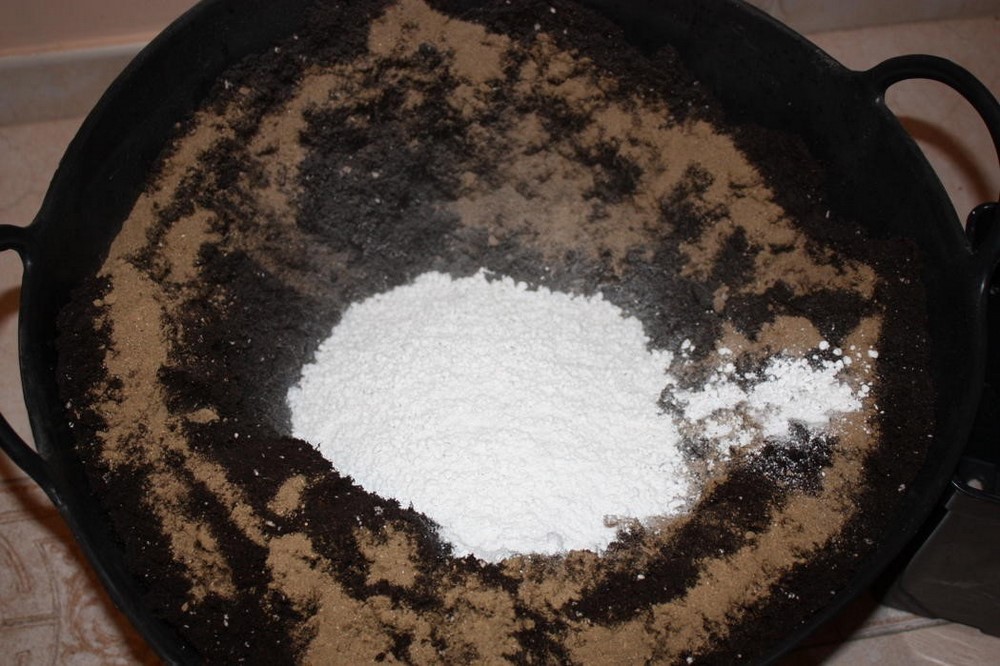
Because of how easy it is to use, soil is usually the first option cannabis growers turn to. There are even home growers who argue that cannabis grown in soil is of higher quality, with better and purer aromas. It is the most traditional and accessible option, easy to work with, and available in many different compositions.
Natural soil usually varies in composition, and in nature we can find different types: sandy, clayey, marly, or silty, or a mixture of several. Among its virtues, we find a high capacity for retaining water and nutrients. It provides a very stable base where plants can anchor themselves, and it is usually lower in cost.
On the downside, it is more prone to compaction and tends to accumulate greater nutrient excesses, with the resulting pH and EC imbalances.
Ideally, you should buy soil for cannabis, formulated by companies that specialize in it, so you can be sure that the mix and its characteristics are perfect for plant development. If you feel up to it, we will leave you a basic recipe a little further down.
Coco
When we talk about coco substrate for cannabis, we are referring to a material derived from the husk itself, and it is widely used because it is very lightweight, with a remarkable ability to retain moisture and excellent drainage and aeration.
While watering in soil is slower in order to give the substrate time to absorb the liquid, with coco it is very easy to apply all the liquid in one go. It is highly absorbent and at the same time dries quickly, helping oxygenate the roots. For that reason, it becomes more necessary to increase the watering frequency.
It is completely eco-friendly and capable of holding high amounts of nutrients, making it one of the preferred substrates for commercial and large-scale use.
It is a substrate that needs a lower pH for nutrients to be available to the plants, ranging from 5.5 to 5.8 during germination and the vegetative stage, up to a maximum of 6.0 or 6.2 in flowering. On the downside, it is a cannabis substrate that contains no nutrients, so feeding from the very start through irrigation becomes necessary.
Hydroponics
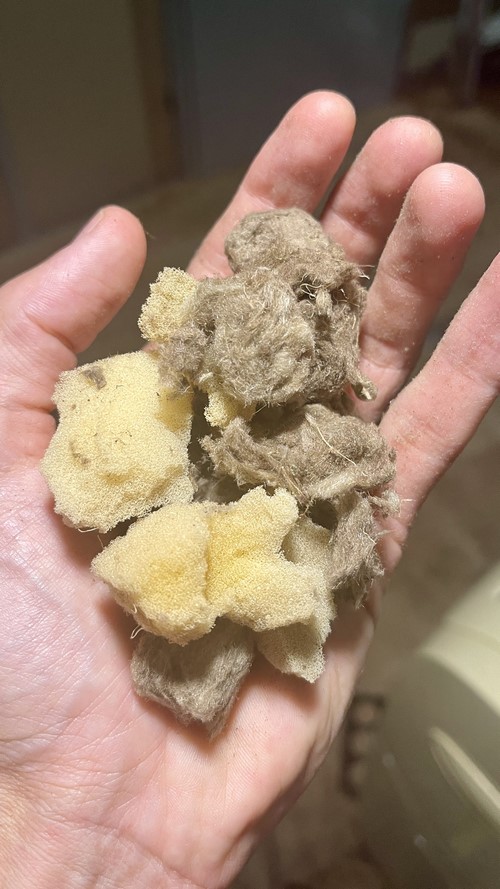
In hydroponic grows, the cannabis substrate that is usually used is very light and has a high oxygenation capacity. The most common are rock wool, expanded clay pebbles, mapito, and even sand or perlite. They do not have a very high water retention capacity, which is why they are used with self-watering or automated systems. Normally, you will see them in the baskets of DWC systems or laid out in slabs on trays.
Hydroponic systems are very efficient, but they are reserved for experienced growers, since they require greater attention and monitoring.
The Best Soil for Autoflowering Strains
From our point of view, the autoflowering strains in the Sweet Seeds® catalog have very few differences compared to photoperiod-dependent strains when it comes to nutrient uptake. Even so, there are several basic points to keep in mind if you want to make sure you are using a good substrate for autoflowers.
Autoflowering strains are known for their fast life cycle and their ability to flower regardless of the photoperiod. This makes them ideal for quick harvests and multiple growing cycles per year.
For that reason, it may be advisable to use a lighter substrate with fewer initial nutrients, and if feeding needs to be increased, do so through irrigation. You can even lighten a regular substrate with a higher addition of perlite or coco fiber to avoid excesses during the first few days of life.
That said, we want to emphasize that once the plant matures, it will make good use of a nutrient-rich substrate.
Growing in coco or hydroponics would probably give us the best results, but you must always take into account the complications that this may involve.
The Best Soil for Photoperiod-Dependent Strains
Photoperiod-dependent strains require a substrate that can support their longer life cycle and their specific needs during the different stages of growth and flowering. Indoors, the ideal option is to use light substrates that you can reuse over several grows, giving them new life with amendments such as guano, humus, and mycorrhizae.
That said, before doing so, keep in mind that you must flush out the nutrients accumulated after the grow using specific flush-type products, so as not to create problems of buildup or EC and pH imbalances. Coco is usually ideal because of its low initial weight, which makes it easier to transport. In addition, the results are spectacular.
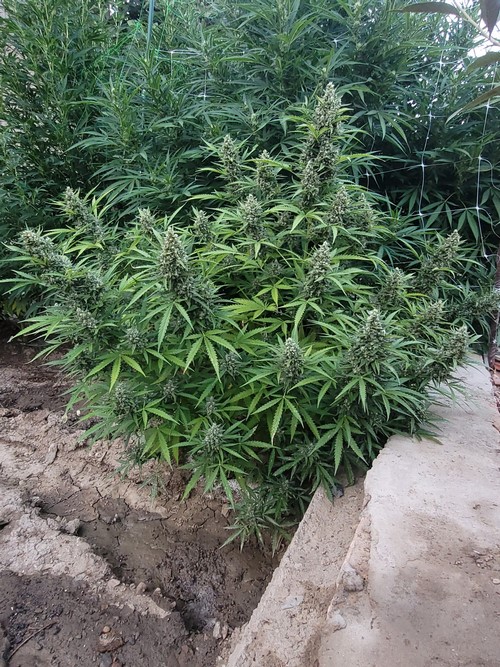
The best soil for cannabis grown outdoors should always be light and very airy so that the roots can penetrate easily. Forget about using soils with too much clay, because growth will be slower. Ideally, you should use a substrate that releases nutrients slowly.
Prepare a good hole and fill it with a complete substrate, with the right proportion of materials that provide oxygenation and retain enough moisture. Try to make sure it contains worm humus and bat guano, which will provide nutrients when the plant needs them.
If you also add absorbent polymers, they will help the plant have water available during critical moments.
Essential Substrate Components: Key Nutrients for a Healthy Grow
It is worth remembering the basic components that a cannabis substrate should contain, and whose values are usually listed on the bags you buy.
- Nitrogen: responsible for protein and chlorophyll synthesis, it is an essential element for vegetative growth. It is a basic component of amino acids and enzymes. It is what drives the development of healthy green leaves.
- Phosphorus: needed for root formation and very important in energy transfer, in processes such as photosynthesis and plant respiration. Highly demanded during flowering, it is responsible for bud formation, so it is of great importance.
- Potassium: helps fight disease and is crucial for the plant’s water balance. It acts as an activator of enzymes involved in protein synthesis and regulates the opening and closing of the stomata, making it essential for transpiration and CO2 absorption.
- Calcium and Magnesium: calcium strengthens the vascular system and cellular structure, while magnesium is key in photosynthesis and activates enzymes involved in energy transport, making it crucial during both flowering and growth.
- Micronutrients: although they are present in smaller amounts, they are just as important. These include iron, which is crucial for chlorophyll and vital processes such as respiration. Manganese and copper are also important in photosynthesis, while zinc regulates growth hormones. Boron promotes cell division and flowering, molybdenum is vital for nitrogen fixation, chloride supports growth and plant defense, and nickel affects urea metabolism.
How to Prepare and Enrich Your Cannabis Substrate
You can choose to make your own mix. A basic recipe could be, for example:
- 40% high-quality black soil or compost, or a mix of both.
- 25% blond peat, which provides acidity, retains a lot of water and nutrients, and prevents compaction.
- 10% perlite, ideal for aerating the substrate and giving it a fluffier structure, while also helping maintain good moisture levels.
- 10% vermiculite, whose function is similar to that of perlite.
- 15% worm humus, which is essential because it provides nutrients gradually, contains humic and fulvic acids, regulates pH, and helps maintain soil micro-life.
If you also add beneficial fungi such as trichoderma and mycorrhizae, you will have a top-quality homemade soil mix for your cannabis plants.
If you want to add micronutrients as well, you can buy a complete pack, which usually comes in powder or liquid form. Mix it well, following the indicated proportions.
Managing pH and Electrical Conductivity (EC) in the Substrate
Once you have your homemade cannabis substrate ready, you should take some pH and EC measurements to avoid toxicities.
A proper pH is crucial because it affects the availability and absorption of nutrients by the plants. Cannabis plants prefer a slightly acidic root environment, with an ideal pH around 6.0. A controlled EC helps prevent both deficiencies and toxicities.
To measure them, you need calibrated meters. Ideally, measurements should be taken from approximately the first 10 centimeters of soil, using either a test kit or portable meters. If the pH is outside the desired range, adjust it using pH regulators or amendments such as Epsomite.
In the case of EC, insert the probe of a soil-specific meter into the moistened substrate, never into dry substrate. If the readings fall outside the optimal range, here is how to balance the mix, which is often around 2.0 depending on the stage and conditions. You can always make a lighter mix for germination.
– If the EC is too high, it indicates an excess of salts, which may require flushing the substrate with water to reduce the concentration.
– If the EC is too low, it may be necessary to add nutrients to reach the desired concentration.
Conclusions: Maximizing the Potential of Your Grow with the Right Substrate
Well, we have reached the end, and we imagine that by now you are clear on what type of substrate is ideal for cannabis. Now you need the best genetics so they can make the most of what you have learned, which is why we recommend visiting our autoflowering and photoperiod-dependent catalog. We are sure you will want to expand your collection with these high-quality seeds.
If you have any questions, you can always visit us on social media or register on our forum, where we will be happy to help you.
Thanks for reading, and sweet grows!
Sweet Seeds S.L. is not responsible for any misuse of the information provided in this article. Growing Cannabis may constitute a criminal offense or administrative infraction; please check the Cannabis legislation applicable in your place of residence. Sweet Seeds S.L. does not, under any circumstances, intend to promote illegal practices.

Deputy Director of the Content and Image Department at Sweet Seeds®.
Articles by Jaypp (see all)
- How to Germinate Marijuana Seeds: Basic Guide - 8 de October de 2026
- How to Fertilize Your Cannabis Plants Easily - 16 de September de 2026
- CBD for Osteoarthritis: How Can It Help? - 16 de September de 2026