
Cart
There are no more items in your cart



Growing Cannabis in Winter: Tips and Tricks

When winter arrives, many outdoor growers have already used up their reserves from the summer harvest and may not have the space or equipment to set up an indoor grow. Growing marijuana in winter can be an option for restocking a depleted supply, but it raises many questions for anyone looking to optimize production during such an unfavorable season for growing.
In spring and summer, temperatures and daylight hours are ideal for growing cannabis outdoors. Winter grows, however, come with their own challenges and need to be planned more strategically so that growing marijuana in winter can still be rewarding.
In this article, we examine all the challenges that can arise during a winter grow, which cannabis seeds are best suited to winter, how to adjust the main parameters, and plenty of practical cannabis cultivation winter tips to help make your winter harvest memorable.
Is It Possible to Grow Cannabis in Winter?
This is a question every outdoor grower has asked at some point, and the answer depends on several factors, mainly the climate in the chosen area, the type of grow, and one very important consideration: the strains you choose.
Growing marijuana in winter can be intimidating yet rewarding if you take a strategic approach to overcoming the challenges that may arise.
Climate Conditions and Limitations

Many of you already know that cannabis is a plant that thrives in mild to warm temperatures. Winter weather and falling temperatures can slow plant growth considerably, reducing both bud and resin production. A single frost can kill an otherwise healthy plant within hours.
Another limiting factor is the photoperiod: days are shorter and plants receive fewer hours of light, reducing photosynthesis and overall vigor.
Advantages of Growing in Winter
Not everything is negative. Following the logic of Yin and Yang, even difficult conditions have a positive side. Growing marijuana in winter offers several advantages worth highlighting: pests are far less common, as insects and mites have much more difficulty reproducing at this time of the year.

There is also less social or law-enforcement attention because it is outside the usual outdoor season. Most growers have dealt with an annoying neighbor or an opportunistic thief trying to take plants raised with great care and effort for personal use. A winter guerrilla grow can be especially exciting and, above all, less labor-intensive than in summer because the plants will not be battling extreme heat. You simply need to provide them with a spot where they can get some protection on the coldest nights.
Finally, winter offers an opportunity to experiment with cold-resistant strains and innovative techniques, helping you refine your growing skills for the main season or the following year.
Key Factors in Cannabis Growing in Winter
Let’s look at how to approach the grow and where you need to pay particular attention.
Suitable Temperature

The ideal temperature range for cannabis is around 20–26 °C during the day and should not fall below 15 °C at night. In winter, maintaining these values may require heating systems or a well-insulated greenhouse. Naturally, this is not always practical, so you should always choose the most sheltered and sunniest location available to you.
Growing on a home terrace or by a window, while bringing the plants indoors at night or on especially cold days, is a good example of growing marijuana in winter.
If plants are exposed to excessively low temperatures, their metabolism slows down and the risk of cold stress increases. Take good care of them and they can still reward you with very respectable flowers.
Relative Humidity
Cannabis generally does well at 50–60% relative humidity during the vegetative stage and around 40–50% during flowering. If humidity rises above these levels, the risk of fungal problems increases.
If the plants are in a greenhouse-type space, dehumidifiers and good supporting ventilation can be essential when conditions fall outside these ranges. Naturally, if humidity is very high, it is best to let the growing medium dry almost completely before watering again.
Light and Photoperiod
In outdoor grows, winter provides fewer hours of daylight, which can trigger early flowering in photoperiod-dependent strains. For this reason, many growers choose cannabis seeds suited to winter, particularly autoflowering strains, which do not depend on the photoperiod.
If you grow by a window, light from streetlights or from your home can disrupt flowering in a photoperiod-dependent plant. The solution is simple: shield the plant from light at night so it receives 12 hours of complete darkness. Once again, we recommend autoflowering strains because of their adaptability and because flowering is not controlled by the photoperiod.
Ventilation and Oxygenation
Plants need ventilation because it renews the air around the leaves and prevents moisture from accumulating, which could encourage fungal growth. Plants also need CO₂ from the air for photosynthesis, so if they remain indoors all the time (behind a window, for example) they need regular access to fresh air. Whenever possible, move them outdoors or ensure sufficient air exchange with the outside.
Try not to saturate the growing medium with too much water. Because temperatures are lower, plants transpire less and their water demand decreases. If the medium stays too wet for too long, the roots may suffer from a lack of oxygen.
Here is an extra tip whether your plants are indoors or outdoors: pay particular attention during the final days of flowering and, if necessary, remove some foliage to improve ventilation and air circulation.
Which Strains Should You Choose for Growing Cannabis in Winter?
Plant genetics make a major difference in the ability to adapt to cold conditions. Not all strains have the same level of resistance, and choosing carefully can determine the success of your grow.
Advantages of Hydroponic Cannabis Growing
Although it may sound unusual, hydroponic growing can be particularly interesting in winter because it allows more precise control over water temperature, oxygen, and nutrients. It also avoids excessive moisture problems in organic growing media, and reducing the risk of fungal growth.
Cold-Resistant Strains
Among the most recommended options are autoflowering and indica strains, which have developed in environments with extreme temperature fluctuations. These genetics often produce compact, resin-rich buds and show good tolerance to cold conditions.
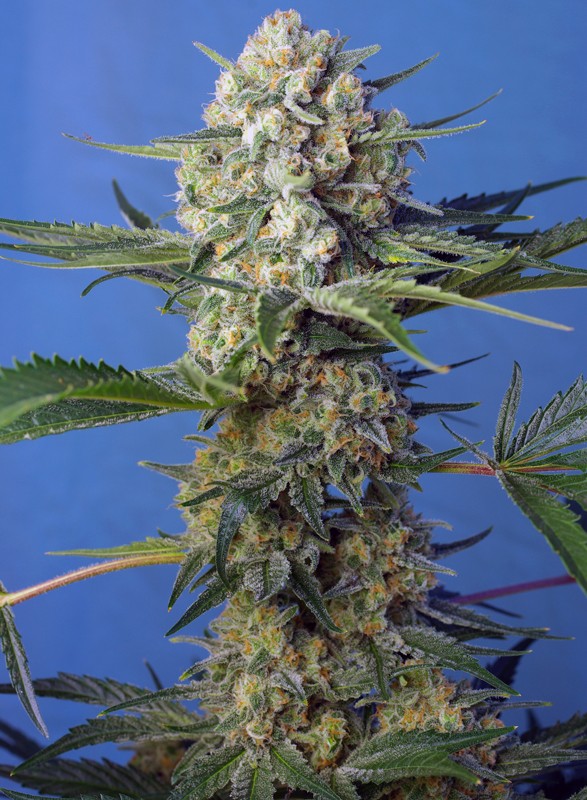
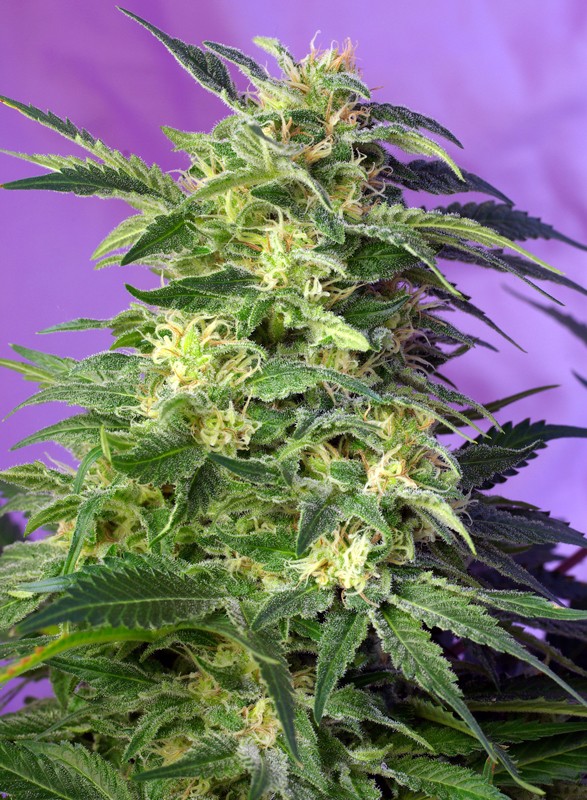
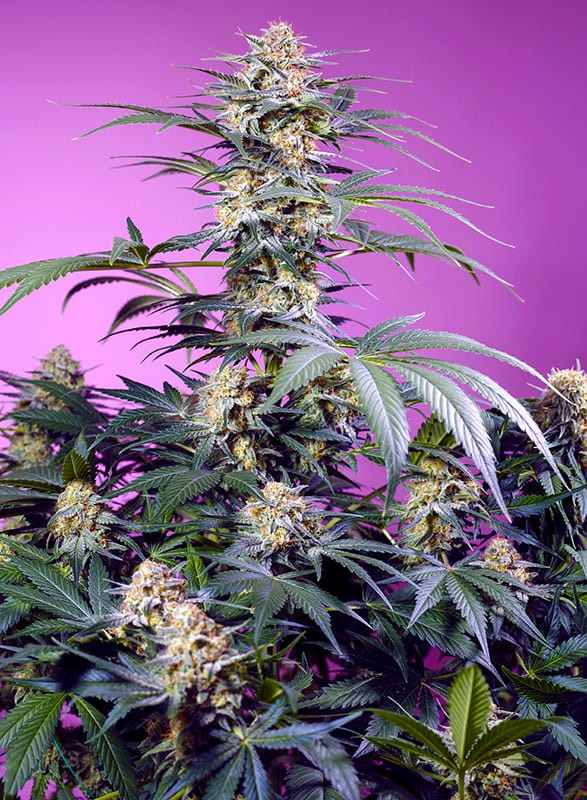
Examples of Sweet Seeds® Strains Ideal for Winter
Our top three would include strains such as Killer Kush Auto® (SWS56) for its adaptability, vigor, and high resin production; Crystal Candy F1 Fast Version® (SWS73) for its speed, compact growth, and sweet, fruity flavor; and Monster Maker® (SWS117), a strain that has pleasantly surprised us in all kinds of grows and under extreme conditions.
Techniques for Growing Cannabis Outdoors in Winter
Choosing the Right Growing Location
Choose sunny areas that are sheltered from the wind and have a warmer microclimate, such as enclosed patios or locations beside walls that absorb heat during the day.
Using Greenhouses and Plastic Tunnels
Greenhouses help maintain more stable temperatures and protect plants from excessive rainfall. A more affordable option is a plastic tunnel, which serves the same purpose on a smaller scale and helps retain warmth in the soil.
Insulated Growing Media and Pots
Cold also affects the roots. To reduce its impact, use pots with thermal insulation or raise the plants off the ground. A well-aerated growing medium rich in organic matter also helps maintain a more stable root-zone temperature.
Techniques for Growing Cannabis Indoors in Winter
Indoor growing provides greater control over environmental conditions, but it also requires specific planning during the colder months.
Temperature Control with Heating
In very cold climates, heaters may be necessary. Ideally, keep the difference between daytime and nighttime temperatures below 8 °C to reduce plant stress. Whenever possible, avoid temperatures dropping below 15 °C.
Suitable Artificial Lighting
Use HPS lamps if you do not have heaters, as the heat they produce can help offset the cold outside. LEDs are much more efficient in many respects, but because they emit less heat, you may need to provide additional heating.
Humidifiers and Dehumidifiers
Using humidifiers during vegetative growth and dehumidifiers during flowering is an effective way to maintain balance. In practice, a dehumidifier is often more useful because raising humidity manually is generally easier.
Special Care for Cannabis Growing in Winter
Beyond the infrastructure, growing marijuana in winter requires extra care to keep plants healthy.
Watering and Nutrient Uptake
In cold conditions, roots absorb water and nutrients more slowly. For this reason, water less frequently and avoid waterlogging, which could damage the root system. Plants will also have lower nutrient demands, so we recommend adjusting the dosage accordingly.
Preventing Pests and Fungal Problems
Although insects are less common in winter, fungi can develop easily in cold, humid environments. Good ventilation and humidity control are key to preventing problems.
Managing Cold Stress
Cold stress weakens plants and reduces resin production. Biostimulants such as seaweed extracts can help strengthen the plant’s natural defenses. Adding silicon can reduce abiotic stress, improving the plant’s ability to maintain its metabolism under adverse conditions.
Common Mistakes When Growing Marijuana in Winter

Growing marijuana during the colder months involves risks that are best avoided.
Underestimating the Impact of Cold
One of the most common mistakes is assuming cannabis will withstand low temperatures without support. Even the most cold-resistant strains need extra care in winter.
Failing to Adapt the Photoperiod
Indoors, failing to adjust the hours of light can slow growth. Outdoors, growing photoperiod-dependent strains can lead to unwanted premature flowering.
Neglecting Ventilation
Keeping greenhouses or rooms closed to retain heat without providing ventilation causes moisture to build up, creating ideal conditions for fungal growth.
Practical Tips for a Successful Winter Grow
Beyond avoiding mistakes, a few recommendations can make a real difference. Take your skills to the next level with these final tips.
Prepare Your Grow in Advance
Planning is essential: having heating, lighting, and ventilation equipment ready before starting the grow ensures you can respond quickly to any unexpected situation.
Finding the ideal location can account for much of your success, and the experience you gain from that spot may prove valuable for years to come.
Use Fertilizers Suitable for Low Temperatures
Some nutrients are formulated to remain available even in colder conditions, helping plants maintain steady development during winter. Slow-release organic fertilizers may be more than sufficient.
Remember: slightly reduce the fertilizer dosage, as plants grow more slowly and excess nutrients can cause nutrient burn or additional stress.
Use Winter as a Season for Experimentation
The colder months can be an opportunity to test new techniques, adjust parameters, and learn before the main growing season, or to find out how to approach your next winter grow. Try different locations and discover which one works best for you.
Visit Our Cannabis Seed Catalog for Winter Grows!
If you have made it this far, you already know that growing marijuana in winter is possible with the right strategy. Genetics are crucial: autoflowering strains and cold-resistant strains are among the best choices for growers seeking fast, reliable harvests in challenging climates.
In the Sweet Seeds® catalog, you will find cannabis seeds for winter growing selected to deliver excellent results in low-temperature conditions. Ready for the adventure?
Sweet Seeds S.L. is not responsible for any misuse of the information contained in this article. Cannabis growing may constitute a criminal offense or an administrative violation; please consult the laws regarding cannabis in your place of residence. Sweet Seeds S.L. does not intend, under any circumstances, to encourage illegal practices.
Deputy Director of the Content and Image Department at Sweet Seeds®.
Articles by Jaypp (see all)
- Outdoor Cannabis Flowering: Timing and Duration - 26 de October de 2026
- How to Decarboxylate Cannabis: A Step-by-Step Guide - 26 de October de 2026
- How to Germinate Marijuana Seeds: Basic Guide - 8 de October de 2026